Storage Containers offer numerous environmental advantages, making them an increasingly popular choice for eco-conscious users. One of the primary benefits is their reusability, as these containers can be utilized multiple times for different purposes, reducing the need for new materials and minimizing waste. This longevity translates into less energy and raw materials consumed in manufacturing, promoting sustainable practices. Additionally, Storage Containers are often constructed from materials like steel, which is not only durable but also highly recyclable at the end of its life cycle. This minimizes environmental impact by ensuring materials are reintroduced into the manufacturing stream instead of adding to landfill waste. For businesses and individuals looking to reduce their carbon footprint, using a product designed for reusability and recyclability is a significant step toward environmental responsibility. Furthermore, the logistics of using Storage Containers are environmentally friendly, as they facilitate efficient space management, optimizing transportation and reducing the number of trips needed to move goods. This efficiency translates to lower fuel consumption and consequently fewer emissions. By choosing Storage Containers, users align with broader global efforts to encourage reduced consumption and increased material efficiency, reflecting a strong commitment to environmental sustainability. Beyond individual use, the widespread adoption of Storage Containers can contribute to a broader cultural shift toward eco-friendly practices within the logistics, construction, and event industries, fostering a larger environmental impact.

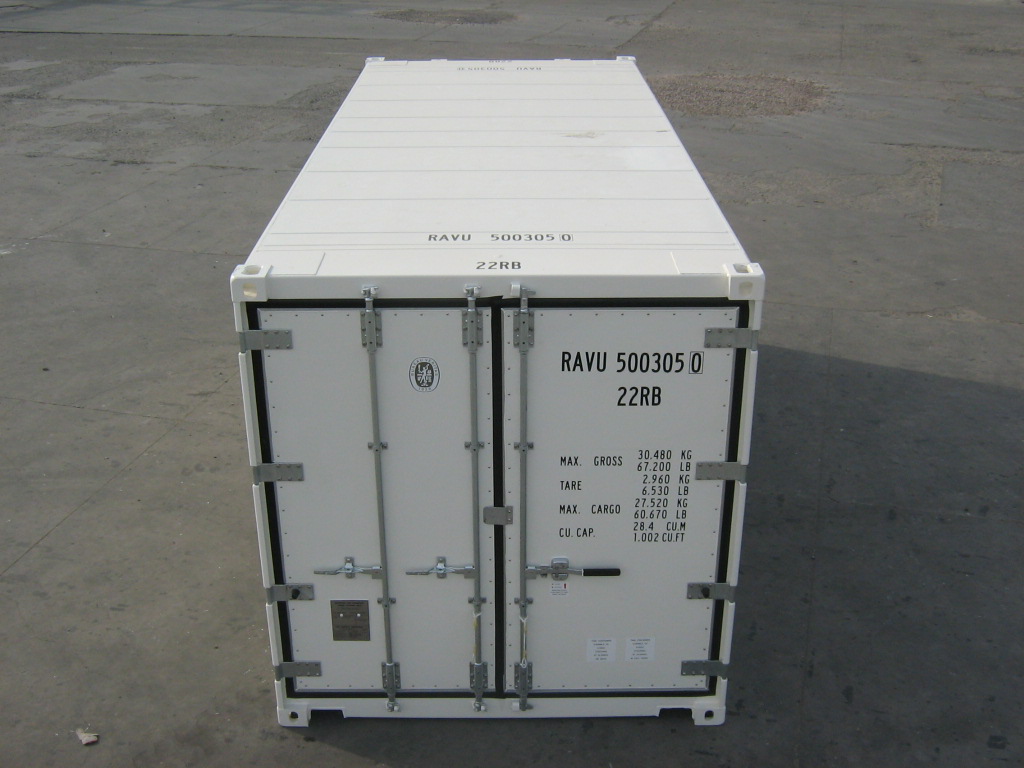
Storage Container Rentals in Stewart County
Call today for a free quote (615) 912-8808
Storage Container
Fast, Easy, & 100% Free To Get Started
Over 40 Years Experience
With over 40 years of unwavering commitment to quality and service, our Storage Container company is deeply rooted in the Stewart County community. We pride ourselves on our longstanding history and strong local ties, delivering trusted and dependable solutions for every storage need.
Commitment to Quality
Our Storage Container company consistently upholds high-quality and safety standards, offering dependable solutions customized to fit your needs. Rely on us to deliver excellence with every container, prioritizing your satisfaction above all else.
Reliable Quick Delivery
Recognizing the value of time, we provide fast and reliable delivery services for all Storage Container needs in Stewart County. Count on us for prompt setup, keeping your projects in Tennessee on track and hassle-free.
Convenient Storage Solutions in Stewart County
Call for a Free Quote Today
(615) 912-8808
Experience exceptional storage solutions with our Storage Container company, proudly serving Stewart County and surrounding areas. Our commitment to reliability, dependability, and local ownership ensures you receive the best service for your storage needs. Whether you're organizing a construction site, planning a vibrant festival, hosting a memorable wedding, or throwing an unforgettable party, our storage containers provide the convenience and security you require. Our extensive inventory ensures we can meet the demands of any event or project. Choose us for your storage solutions and enjoy peace of mind knowing we go above and beyond to meet your expectations.
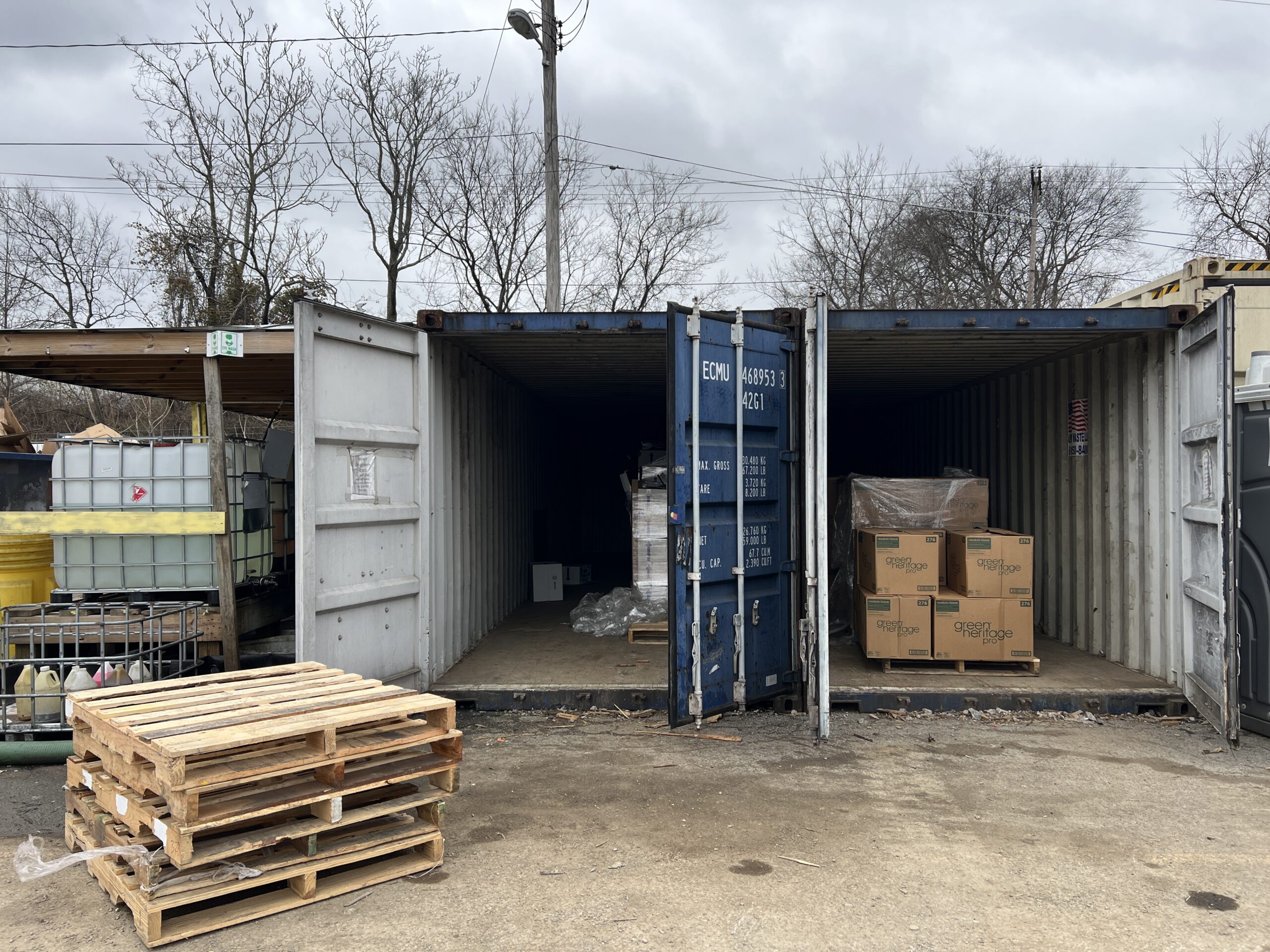
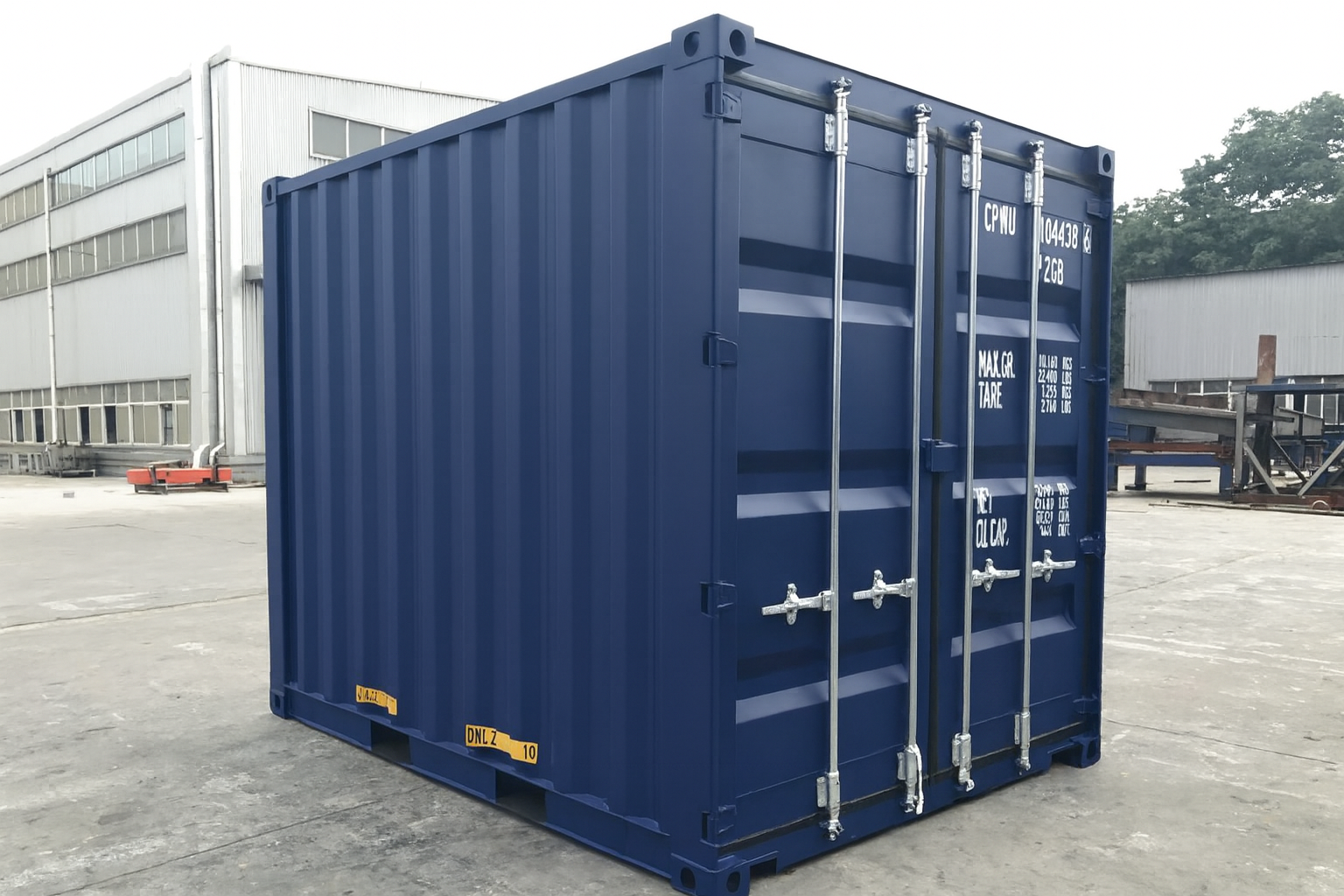
10-Foot Storage Container
Dimensions: 10′ × 8′ × 8′
Capacity: ~640 ft³
Perfect for small moves, dorm clean-outs, or seasonal overflow.
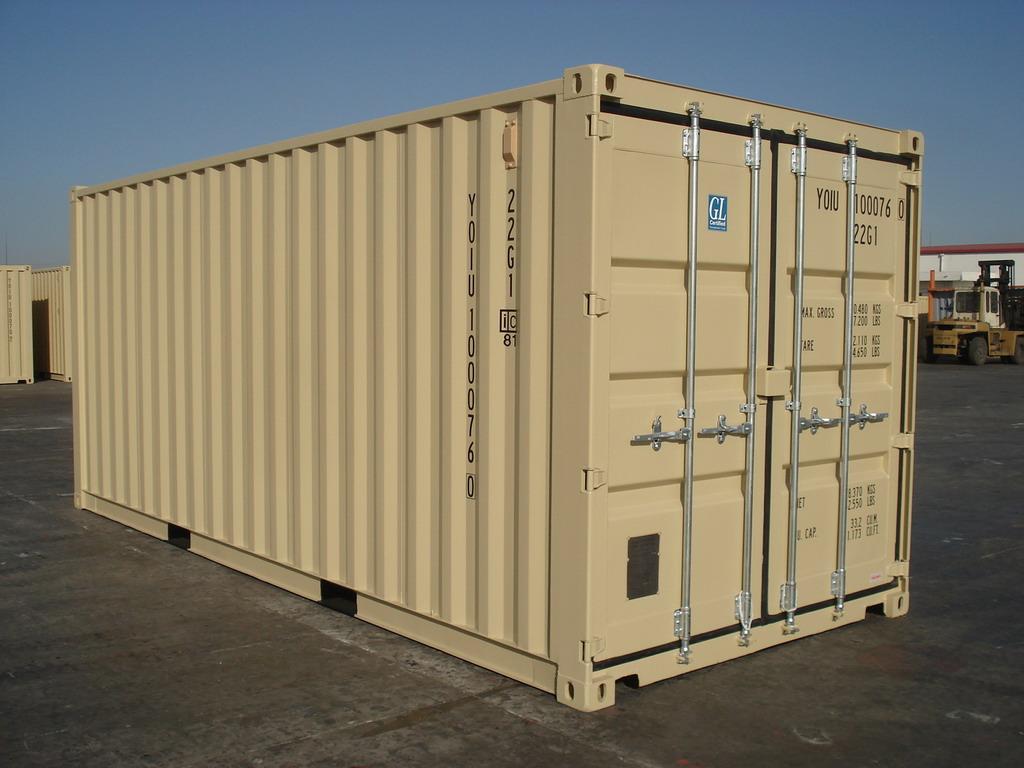
20-Foot Storage Container
Dimensions: 20′ × 8′ × 8′
Capacity: ~1,360 ft³
Ideal for apartment relocations or business inventory needs.
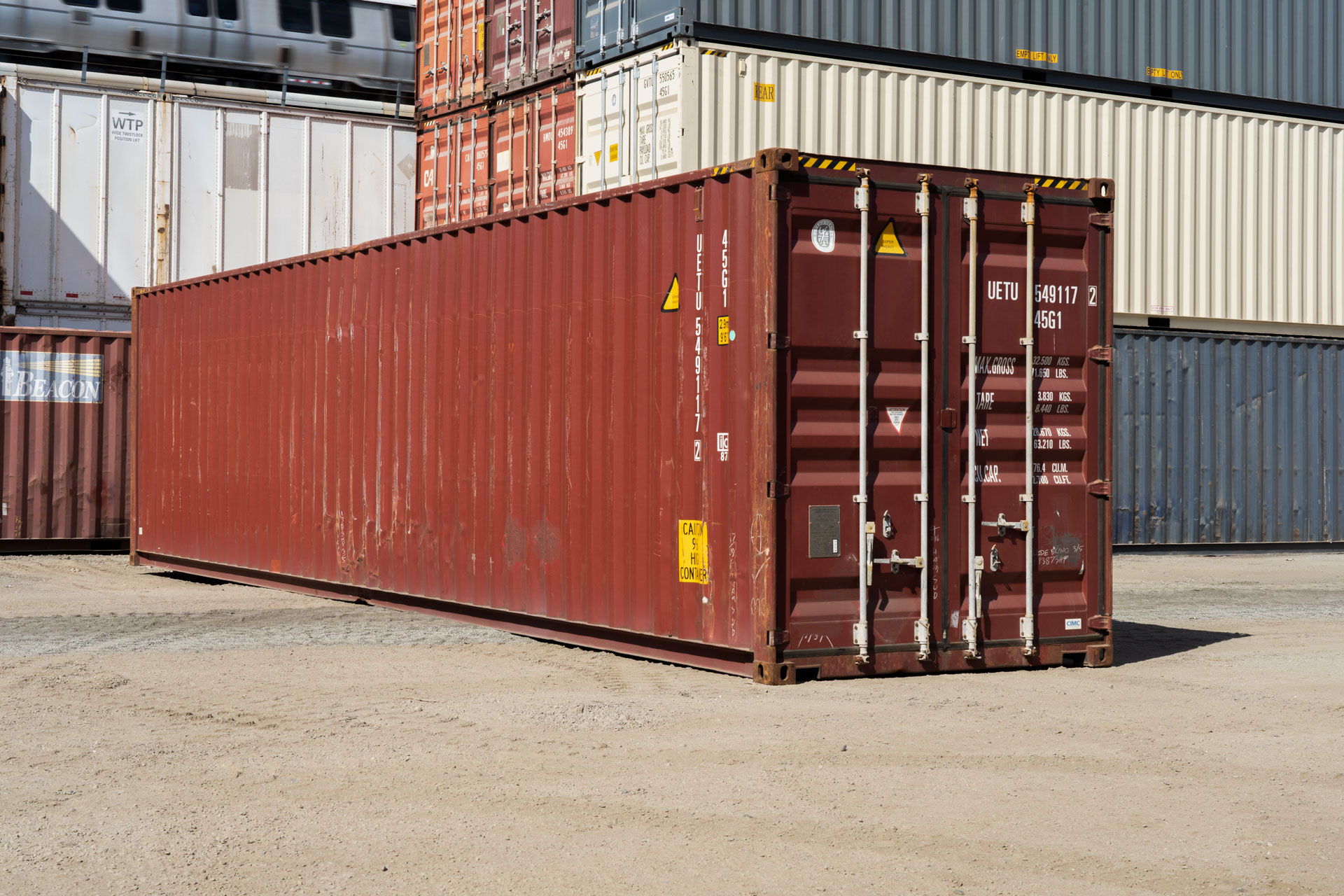
40-Foot Storage Container
Dimensions: 40′ × 8′ × 8′
Capacity: ~2,720 ft³
Suited for full-house moves, large equipment, or commercial warehousing.
We Proudly Serve
Standard Portable Toilets
Our Standard Portable Toilets service provides reliable and sanitary facilities for various events and worksites across Tennessee.
High Rise Portable Toilets
Offering High Rise Portable Toilets tailored to efficiently meet the needs of multi-story construction projects in Stewart County.
Restroom Trailers
Elegant Restroom Trailers service in Stewart County, offering upscale facilities with amenities for any event by FusionSite Nashville.
Roll off Dumpsters
Our Roll off Dumpsters service guarantees efficient waste management solutions across Stewart County through FusionSite Nashville.
Septic Tank Cleaning
Expert Septic Tank Cleaning from FusionSite Nashville, serving Tennessee with professional and eco-friendly services.
Grease Trap Cleaning
Efficient Grease Trap Cleaning in Stewart County ensures your systems run smoothly, offered by expert teams in Tennessee.
Fencing & Barricades
Professional Fencing & Barricades service by FusionSite Nashville, providing safety and security across Tennessee.
Residential Storage
Reliable Residential Storage service in Stewart County, Tennessee, with secure and flexible solutions to fit household needs.
Stewart County Storage Solutions
Getting a quote and arranging delivery for a Storage Container has never been more straightforward or convenient. With our user-friendly online platform, you can easily request a quote in just a few simple steps. By clicking on the 'Get A Quote' buttons strategically placed across our website pages, you are directed to a seamless form that requires minimal information to expedite the quotation process. Simply input your first name, last name, phone number, and email, and our team will swiftly provide you with a tailored quote that meets your specific storage needs. Our dedicated customer service representatives are readily available to answer any questions you may have and assist you in making an informed decision that best suits your project or event requirements. Once you've finalized the quote and made arrangements, our reliable and efficient logistics team handles the delivery process with precision. We prioritize timely and secure delivery to your location in Stewart County and surrounding areas, ensuring that your Storage Container arrives exactly when and where you need it. Experience the ease of obtaining a Storage Container quote and delivery, demonstrating our commitment to making your storage rental experience as seamless as possible.
Stewart County, known for its lush landscapes and inviting community, provides the ideal setting for showcasing our top-tier Storage Container services. Whether you’re hosting an event amid the scenic beauty of Land Between the Lakes or organizing festivities like the annual Homeplace 1850s Working Farm, our containers deliver reliable and aesthetically pleasing solutions tailored to your needs. Nestled close to nature with a variety of outdoor attractions, our services seamlessly integrate with the local charm, swiftly meeting your storage requirements. We enhance the guest experience with clean, dependable, and convenient storage options, making us the top choice in Stewart County. Our commitment to service excellence and product quality cements our status as the preferred option for local residents and event planners.
Our company stands as the industry leader in Stewart County, renowned for its steadfast commitment to quality and customer satisfaction.
With strong community ties, we appreciate Stewart County's unique character and customize our services to meet local needs.
Our approachable and skilled team guarantees a seamless, customer-centric experience, offering bespoke solutions that exceed expectations.
By consistently delivering top-notch products and services, we remain the preferred choice for Storage Containers, ensuring confidence with every engagement.
Rely on us to deliver exceptional value while honoring local preferences and enhancing your storage experience.
Dedicated to providing fast and reliable Storage Container services, our team works tirelessly to ensure customer satisfaction at every stage.
We know that time is of the essence, and streamline processes to deliver your Storage Containers efficiently across Stewart County.
Our well-coordinated logistics and expertise enable us to cater to various project timelines and requirements, ensuring swift and hassle-free service.
Choose us for timely and dependable container solutions, and experience the ease of dealing with storage experts committed to excellence.
With us, enjoy rapid delivery without compromising quality or professionalism.
Learn More About Our Storage Container
Renting a Storage Container in Stewart County is designed to be an effortless and user-friendly process. Our website provides easy access to rental arrangements through 'Get A Quote' buttons visible throughout our pages, allowing prospective renters to request information with just a click. The process begins with filling out a simple form located at the top and bottom of the page. To request a quote, potential clients are prompted to enter their basic information, including first name, last name, phone number, and email. This streamlined process ensures quick communication and allows us to provide a timely, customized quote that aligns with the renter's needs. Our dedicated team of customer service representatives is readily available to answer your questions, provide additional information, or offer assistance with the form if needed. Once the form is submitted, we promptly respond with a detailed quote, including pricing and delivery options, ensuring transparency and clarity in all communications. The rental process prioritizes customer convenience, affording clients the flexibility to schedule container delivery at their preferred times and locations across Stewart County. Our commitment to exceptional service ensures a smooth experience, so clients can focus on their projects or events, trusting that their storage needs are expertly managed. Experience the simplicity and efficiency of renting Storage Containers in Stewart County, backed by our dedication to customer satisfaction and convenient service.
The typical delivery timeframe for Storage Container orders is systematically designed to accommodate the urgent needs of our clients while ensuring logistical efficiency. Generally, orders are processed promptly upon receipt, allowing for preparation and dispatch within a day or two, depending on the client's location and the time of the order. We strive to maintain open communication with our clients, providing them with estimated delivery dates and times to better coordinate their projects and needs. Our logistics team is adept at handling various scenarios, ensuring containers are dispatched promptly to meet deadlines or urgent requirements. For standard delivery in Stewart County and surrounding areas, clients can typically expect their Storage Containers within 3 to 5 business days from the confirmation date. However, we also cater to expedited delivery requests, recognizing that some projects may demand faster turnaround times, providing the flexibility to meet these needs whenever possible. Our goal is to deliver each Storage Container accurately to the specified location at the agreed-upon time, adhering to the schedule and ensuring client satisfaction. By optimizing delivery routes and using reliable transportation partners, we aim to minimize delays and reliably fulfill our commitments. Rest easy knowing that our dedication to efficient service assures your Storage Container's timely arrival, allowing you to focus on your primary tasks with peace of mind.
Yes, we proudly offer services for all types of events and construction services, meeting diverse client needs with versatility and professionalism. Our extensive range of services includes comprehensive support for festivals, sporting events, weddings, corporate events, and family reunions. We excel in providing luxury restroom trailers, ensuring a premium experience for special occasions that demand sophistication and comfort. For more robust and functional requirements, we supply porta potties, equally suitable for both large-scale events and smaller gatherings. Our service offerings extend to vital infrastructure needs with roll-off dumpsters, ensuring effective waste management solutions at any venue. Safety and access requirements are met efficiently with our supply of fencing and barricades, strategically deployed to enhance event security and flow. For sanitation needs, we provide holding tanks, ADA-compliant units, portable sinks, and hand sanitizing stations, promoting hygiene and accessibility. With our commitment to providing high-quality facilities and exceptional customer service, we ensure seamless operations, catering to the specific demands of each event type. Whatever the scale of your event or construction project, our experienced team is ready to provide reliable and adaptive solutions, enabling organizers and contractors to focus on delivering memorable experiences safely and efficiently.