In today's environmentally-conscious world, the advantages of using storage containers are notable. Firstly, storage containers are built to last, providing a long-term and robust solution that reduces the need for frequent replacements, thus minimizing waste. Constructed primarily from steel, they are recyclable and can often be repurposed once their primary use is completed, further contributing to environmental sustainability. Their versatile nature means they can be used across various industries, reducing the need for constructing new facilities, which can be resource-intensive and environmentally taxing. By opting for storage containers, organizations not only cut down on capital expenses related to building infrastructure but also lower their carbon footprint by utilizing existing materials efficiently. Moreover, the transportation of storage containers is streamlined, often requiring minimal energy once in place, compared to running permanent facilities with comprehensive HVAC systems. Their sturdy, weather-resistant construction ensures that fewer resources are necessary for ongoing maintenance, leading to an overall reduced demand on natural resources. Consequently, incorporating storage containers into operations reflects a business's commitment to sustainability and environmentally friendly practices, appealing to eco-minded clients and partners.

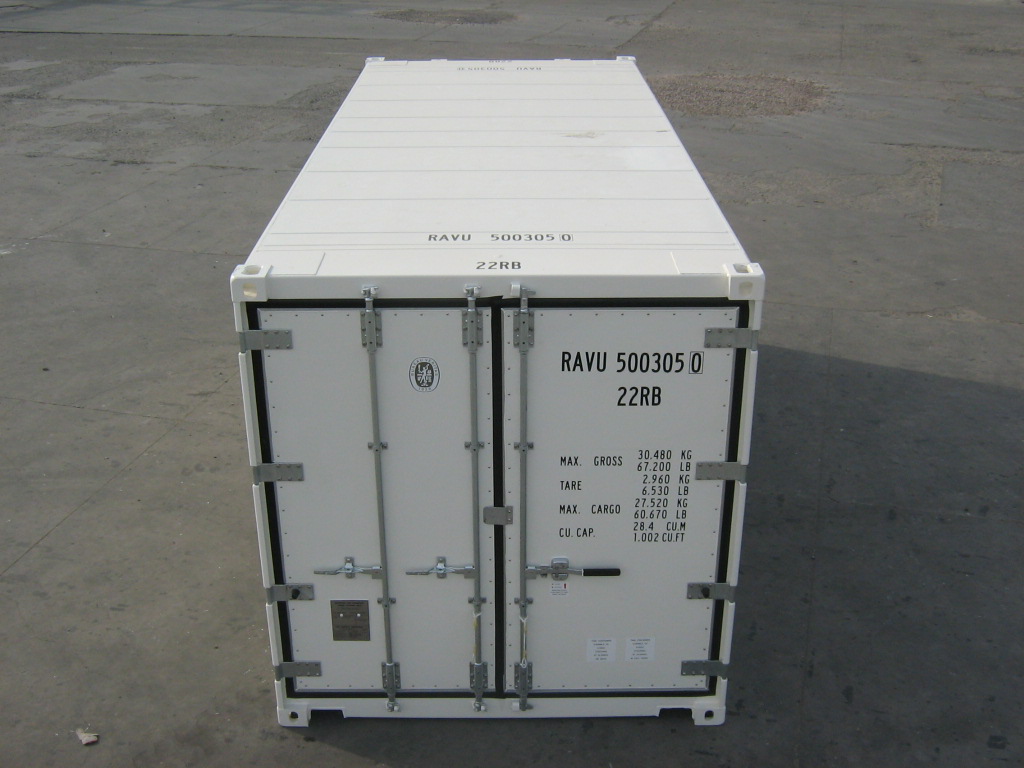
Storage Container Rentals in Cornersville, Tennessee
Call today for a free quote (615) 912-8808
Storage Container
Fast, Easy, & 100% Free To Get Started
Over 40 Years of Trust
For over 40 years, our storage container company in Cornersville has earned the community's trust by delivering exceptional service. We forge lasting relationships through quality and reliability, ensuring our valued customers are always satisfied. Our local focus commits us to surpassing your expectations at every turn.
Unparalleled Quality Service
Our commitment to quality service ensures that every storage container is delivered clean, secure, and ready to serve your needs. With a focus on customer satisfaction, we maintain high standards to provide you with the best storage experience.
Fast and Efficient Delivery
Our quick delivery service ensures that your storage containers arrive at your specified location on time, every time. Efficiency and reliability are at the core of our operations, making us the preferred choice for residents and businesses in Cornersville.
Reliable Storage Container Solutions in Cornersville
Call for a Free Quote Today
(615) 912-8808
Our storage container company in Cornersville, Tennessee, distinguishes itself with a dependable, reliable, and locally owned approach. We proudly serve not only Cornersville but also nearby areas, providing top-tier services for events of all sizes. Whether you're managing construction sites, organizing parties, hosting festivals, or planning weddings, our storage solutions offer unmatched reliability. Customers trust our clean, durable containers that consistently meet rigorous standards. Our commitment to customer satisfaction and community connection ensures smooth event operations with our premium, prompt service. Choose us for your storage needs and enjoy seamless service delivery in Cornersville and beyond.
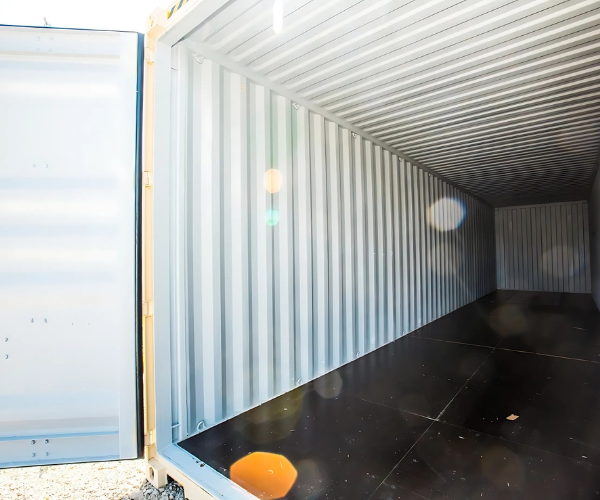
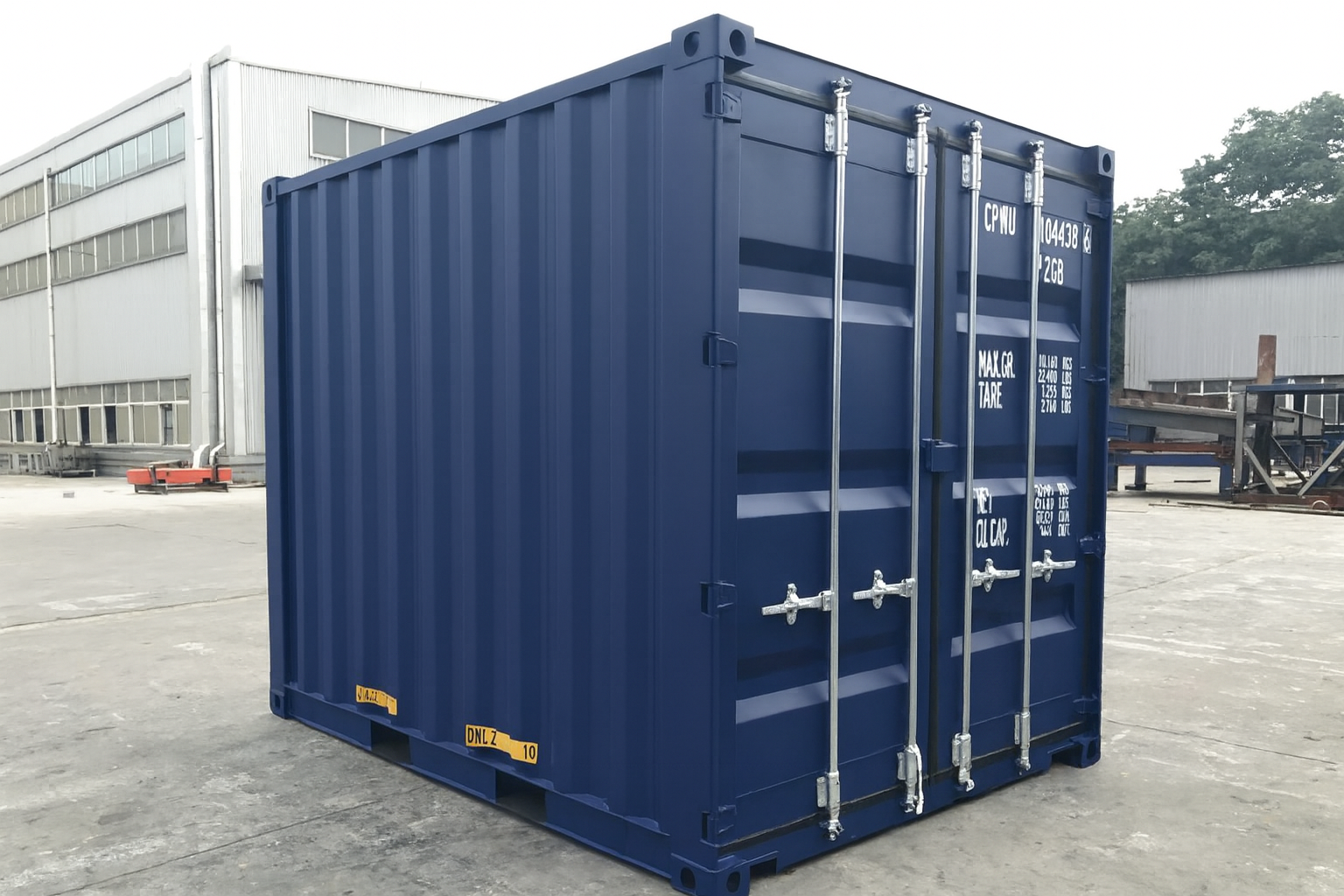
10-Foot Storage Container
Dimensions: 10′ × 8′ × 8′
Capacity: ~640 ft³
Perfect for small moves, dorm clean-outs, or seasonal overflow.
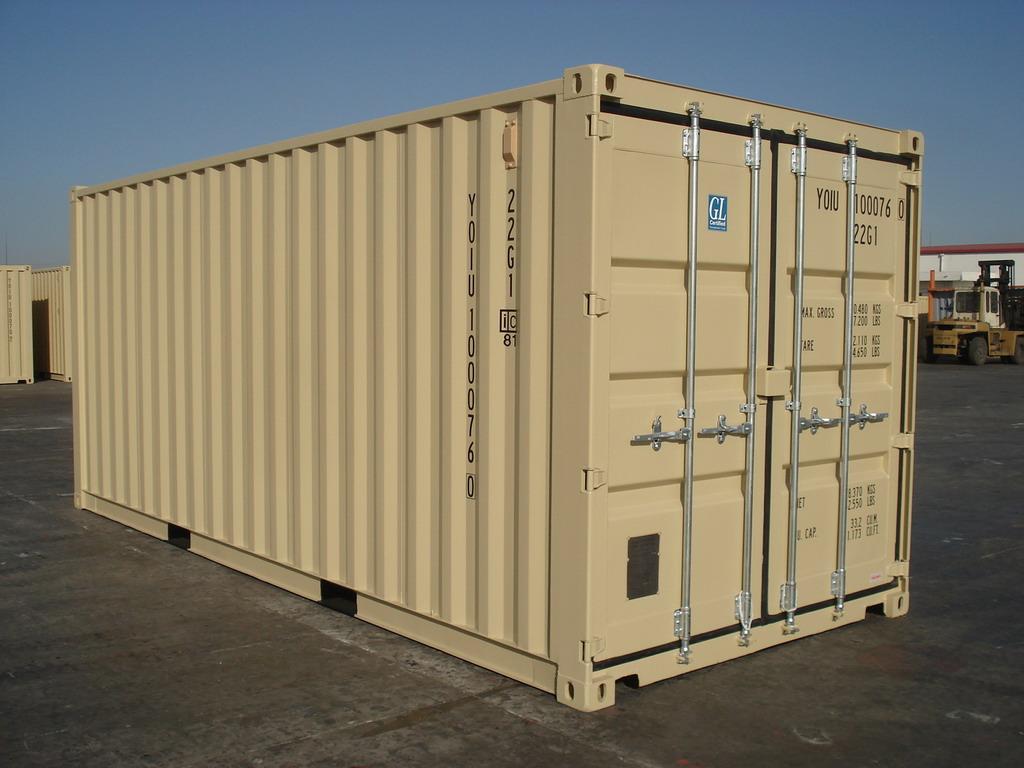
20-Foot Storage Container
Dimensions: 20′ × 8′ × 8′
Capacity: ~1,360 ft³
Ideal for apartment relocations or business inventory needs.
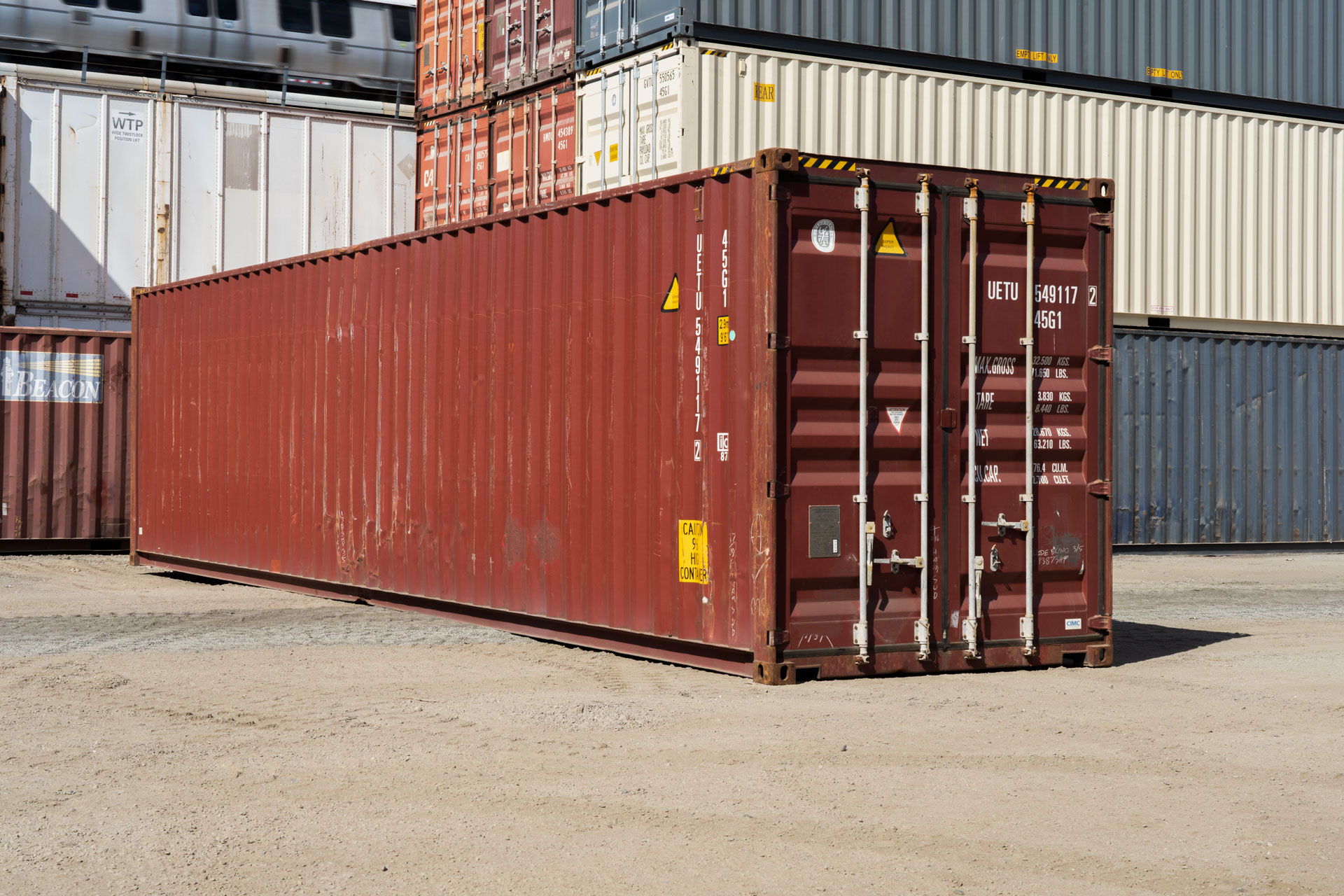
40-Foot Storage Container
Dimensions: 40′ × 8′ × 8′
Capacity: ~2,720 ft³
Suited for full-house moves, large equipment, or commercial warehousing.
We Proudly Serve
Standard Portable Toilets
FusionSite Nashville offers standard portable toilets throughout Tennessee, ensuring clean and easily accessible sanitation solutions.
High Rise Portable Toilets
High Rise Portable Toilets in Cornersville provide essential sanitation options for multilevel construction projects, ensuring safety and compliance.
Restroom Trailers
FusionSite Nashville's restroom trailers in Cornersville provide luxurious sanitation facilities, perfect for upscale events and gatherings.
Roll off Dumpsters
Roll off Dumpsters by FusionSite Nashville in Cornersville offer convenient waste management solutions for residential and commercial projects.
Septic Tank Cleaning
FusionSite Nashville in Tennessee specializes in septic tank cleaning, offering reliable and thorough sanitation services.
Grease Trap Cleaning
Grease Trap Cleaning services in Cornersville ensure that businesses maintain optimal kitchen efficiency and compliance with health standards.
Fencing & Barricades
Fencing & Barricades services by FusionSite Nashville provide secure and efficient site containment for events and construction projects.
Residential Storage
Our Residential Storage solutions in Cornersville, Tennessee, offer convenient and secure options for temporary and long-term storage needs.
Cornersville Storage Container and More
One of the greatest conveniences we offer our customers in Cornersville is the simplicity of obtaining a quote and arranging the delivery of storage containers. Our straightforward process starts with filling out an online form available at both the top and bottom of our website pages. With just your first name, last name, phone number, and email, you're a few clicks away from receiving a tailored quote. Once you submit your details, our responsive team reviews your needs and provides swift feedback, correlating your requirements with our vast array of storage solutions. Additionally, strategically placed "Get A Quote" buttons throughout our site ensure you're never more than a click away from engaging with us. We've streamlined the design of our website to focus on user experience, ensuring hurried visitors can still avail themselves of our services without delay. After securing your quote, our delivery service shines by transporting your selected storage container directly to your location. Whether you're planning a large-scale project or simply need temporary storage, our commitment to flexibility means you'll receive quality solutions promptly, addressing your unique demands seamlessly.
Nestled in the charming town of Cornersville, Tennessee, our storage container services offer the ideal blend of local charm and modern convenience. Enjoy the beauty of nearby Henry Horton State Park or dive into the excitement of the Cornersville Fiddlers Championship while our offerings cater to seasonal festivities and everyday needs. Whether attending a community fair, enjoying a picnic in the park, or hosting a significant outdoor celebration, our storage solutions enhance your experience by securing your belongings effectively. Our unwavering commitment to Cornersville shines through in the exceptional quality and reliability we offer. As events grow, so does the demand for robust, reliable storage, and we stand prepared to deliver. Whether storing equipment for an art show or providing extra space for a lively farmers' market, we ensure peace of mind with secure, accessible storage. Trust our service as your partner for local events and daily needs, enhancing every occasion with clean, customizable containers that elevate the Cornersville lifestyle. Discover why local businesses and residents prefer us, always ready to meet your unique requirements with professionalism and grace.
In Cornersville, our storage container company reigns supreme as the optimal choice for discerning customers. Our reputation for unparalleled quality stems from decades of dedicated service and community engagement. We focus on addressing the specific needs of Cornersville's vibrant residents and businesses, enriching their experiences with solutions tailored to local demands.
Whether tapping into Cornersville's lively event scene or assisting with practical storage needs during home renovations or business expansions, we adapt to any situation. Our versatile storage options integrate seamlessly into any project or event, providing ease and reliability. As residents cherish the community's beauty and convenience, our storage services align perfectly with these values.
Choose us for a service that highlights reliability and community connection and elevates Cornersville life. We provide not just storage but an assurance of excellence and dependability.
Time is a valuable resource, and our company is committed to respecting yours through fast and reliable storage container services. Our clients in Cornersville appreciate how quickly we respond to their inquiries and deliver their units directly where needed, ensuring efficiency is always at the forefront.
Experienced drivers and logistical planners coordinate delivery routes with precision, arriving prepared with the necessary equipment to facilitate smooth drop-offs and setups. Whether it's an urgent business project or a meticulously planned event, our team is dedicated to maintaining consistent service standards that resonate with reliability.
By focusing on quick delivery, we guarantee your timelines are met, allowing you to concentrate on other priorities while our services handle the logistics. Experience peace of mind with our unwavering commitment to fast and dependable delivery, ensuring that your storage needs align seamlessly with your schedule.
Explore Our Cornersville Storage Solutions
Renting a storage container in Cornersville is a straightforward process designed with convenience in mind. Begin by visiting our website, where you'll find easy access to our forms located at the top and bottom of any page. These forms are user-friendly and require just a few essential details: your first and last name, phone number, and email address. This initial step ensures that we can promptly provide you with a tailored quote. As you navigate through our website, you'll notice several "Get A Quote" buttons, strategically placed to give you easy access to our services without delay. Once you've submitted your information, our dedicated team reviews your request and gets in touch to discuss your specific needs, presenting you with the best options we offer. You can anticipate a seamless interaction where efficiency meets personalized service, ensuring that your storage requirements are met with the highest standards. Upon agreement, our logistics team organizes the delivery of your chosen container, accommodating the timeline that suits your schedule. This procedure emphasizes our commitment to making the rental experience stress-free and rewarding. Trust us to handle the details while you enjoy the security and flexibility our storage solutions bring to your project or event.
When placing an order for a storage container, understanding the delivery timeframe is paramount for effective planning. Typically, once an order is confirmed, the delivery process is swift, with most customers in Cornersville receiving their containers within a few business days, subject to availability and demand. Our logistics team carefully coordinates with clients, ensuring that delivery aligns with their schedule, aiming for precision and convenience. By prioritizing customer needs, we offer flexibility, allowing for expedited delivery when required for urgent projects. Once your order is processed, you will get a detailed delivery estimate, accounting for factors such as current inventory and service demand. We employ a fleet of specialized vehicles operated by experienced drivers who ensure that each container arrives safely and in perfect condition. This meticulous attention to logistics ensures that the entire delivery process is transparent and efficient, reducing any potential disruptions to your plans. With our robust infrastructure and dedicated team, rest assured that we strive to exceed your expectations, making the delivery of our storage containers a seamless and reliable service.
Absolutely! We are equipped and ready to service a wide range of events and construction needs, ensuring our clients' satisfaction across various scenarios. From bustling festivals and major sporting events to intimate weddings and corporate gatherings, our comprehensive storage solutions are tailored to fit any occasion or requirement. Our offerings include luxury restroom trailers, porta potties, roll-off dumpsters, fencing and barricades, holding tanks, ADA-compliant units, as well as portable sinks and hand sanitizer stations. This versatility means we can cater to diverse needs, whether it's handling the sanitation requirements of a large outdoor concert or providing essential amenities for a family reunion. Our skilled team excels at customizing services to reflect the unique demands of every event, always standing by to offer expert advice and support. With a commitment to enhancing each occasion, we provide solutions that not only fulfill basic needs but also elevate the overall experience for all attendees. Trust us to bring reliability and excellence to your event or project, facilitating environments where safety, convenience, and satisfaction are at the forefront of our service.