Using Roll Off Dumpsters presents multiple eco-friendly benefits that significantly contribute to sustainable waste management practices. Firstly, their large capacity reduces the number of trips needed to transport waste to disposal sites, minimizing fuel consumption and lowering carbon emissions from vehicles. This efficiency not only aids in conserving energy but also reduces the overall carbon footprint associated with waste transport.
Moreover, Roll Off Dumpsters support effective waste segregation at the source. By allowing for different types of waste to be separated—such as recyclables and non-recyclables—these dumpsters facilitate recycling efforts and decrease the pressure on landfills. This initiative is crucial in reducing landfill use, which in turn helps prevent soil pollution and leachate formation nonplaced into ecosystems.
Another significant advantage lies in how Roll Off Dumpsters promote comprehensive waste sorting processes. By providing ample space for sorting materials, businesses and individuals can better comply with local recycling regulations, encouraging higher rates of material recovery and reuse. This practice fosters a circular economy model, where materials are continuously recycled into new products, thereby conserving natural resources.
Roll Off Dumpsters also reduce the need for smaller disposal units that are often less efficient and more resource-intensive. By consolidating waste collection and disposal, these large-capacity dumpsters optimize the logistics of waste handling, furthermore decreasing the environmental impact.
Additionally, modern Roll Off Dumpsters are increasingly being made from durable materials that are recycle-ready themselves, ensuring that even the containers have a minimal environmental impact at the end of their functional life. This complements the life cycle approach to sustainable product use.
Overall, the implementation of Roll Off Dumpsters aids businesses and households in achieving their sustainability goals, aligning operations with environmentally responsible principles and fostering community commitment to ecologically sound waste management practices.

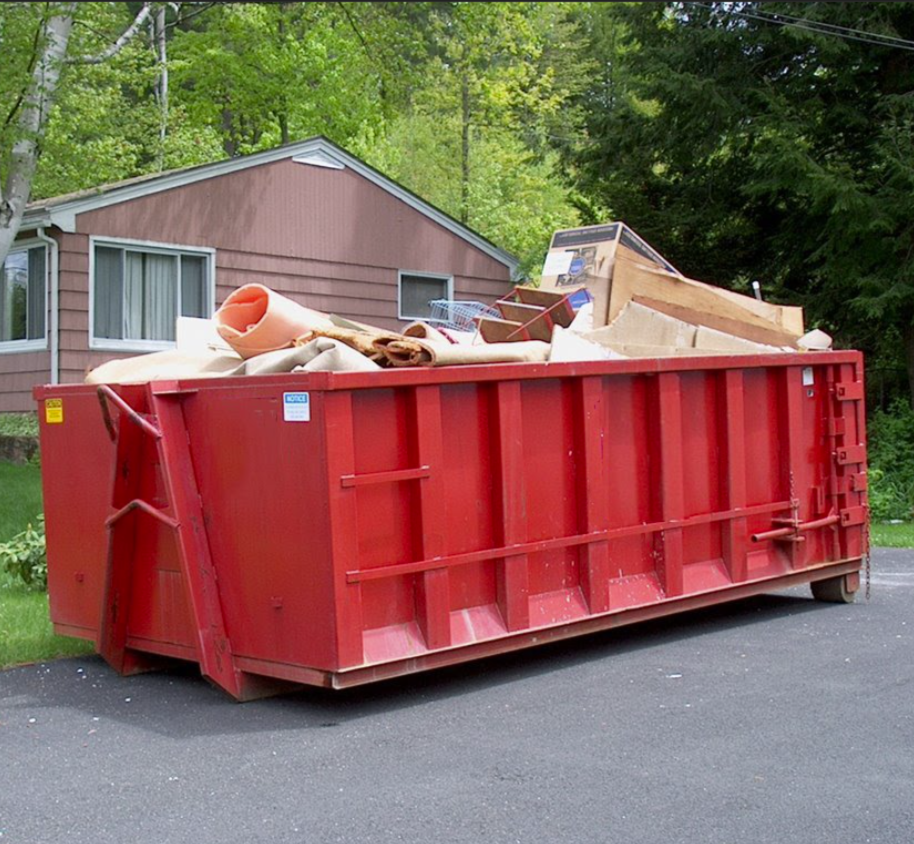
Roll Off Dumpster Rentals in Dickson, Tennessee
Call today for a free quote (615) 912-8808
Roll Off Dumpster
Fast, Easy, & 100% Free To Get Started
Over 40 Years of Experience
For over 40 years, we have built strong community ties and earned a reputation for quality, becoming the trusted provider in Dickson. Our dependable roll-off dumpster services consistently deliver customer satisfaction.
Unmatched Quality and Service
Our Roll Off Dumpster service offers unmatched quality, focusing on customer satisfaction and reliability. Choose us for dependable and professional waste management solutions.
Prompt Delivery Every Time
We take pride in delivering roll-off dumpsters promptly, ensuring your project proceeds smoothly without interruptions. Our efficient service means you're never left waiting.
Reliable Waste Solutions in Dickson
Call for a Free Quote Today
(615) 912-8808
Located in the heart of Dickson, our Roll Off Dumpster service is committed to delivering reliable and efficient waste management solutions. As a locally owned business, we pride ourselves on our dependable service, offering a wide range of dumpster sizes to meet the unique needs of any project. Whether you're planning a construction site, festival, wedding, or community event, we ensure timely delivery and pickup, helping to keep your site clean and organized. Our professional team serves not only Dickson but also the surrounding areas, ensuring that your waste disposal needs are met with the utmost professionalism and care. Trust us to be your go-to source for hassle-free dumpster rentals.
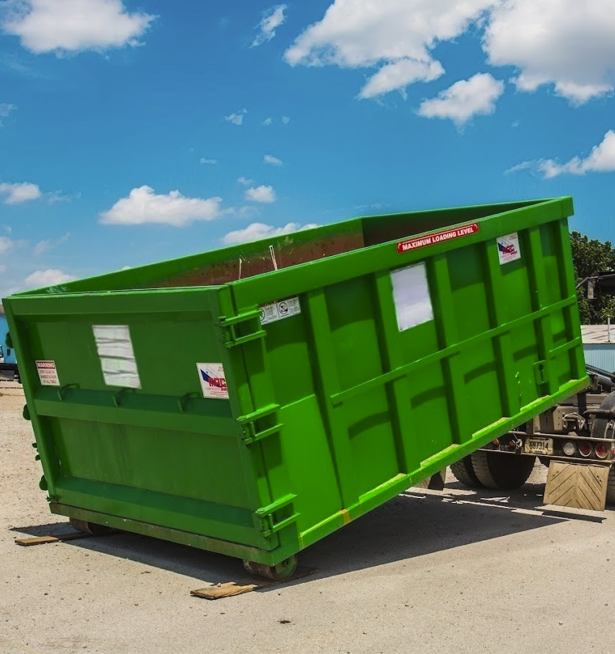

20 Yard Roll-Off Dumpster
Fits approximately 70 normally-filled 30-gallon trash bags.
Ideal for:
• Large home cleanouts or decluttering projects
• Roof replacements for medium-sized homes
• Renovations of multiple rooms (e.g., kitchen and bathroom)
• Medium-sized landscaping or yard renovation projects
• Demolition of a small to medium-sized structure (e.g., shed, small house)
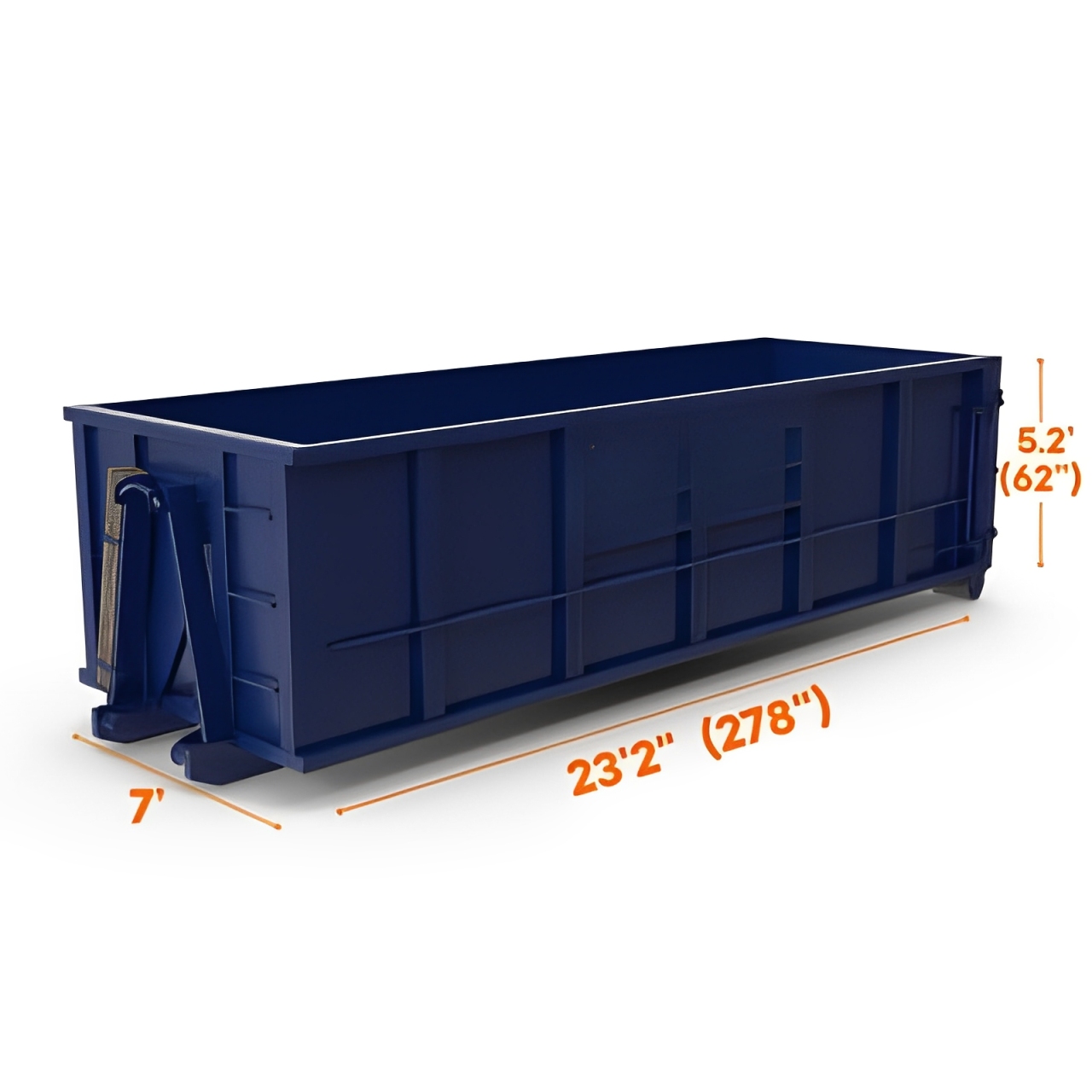
30 Yard Roll-Off Dumpster
Fits approximately 110 normally-filled 30-gallon trash bags.
Ideal for:
• Whole-home cleanouts or major downsizing projects
• Large-scale renovation projects (e.g., entire house remodel)
• Commercial construction projects (e.g., small retail or office building)
• Large landscaping projects for commercial properties
• Demolition of medium-sized structures or multi-story buildings
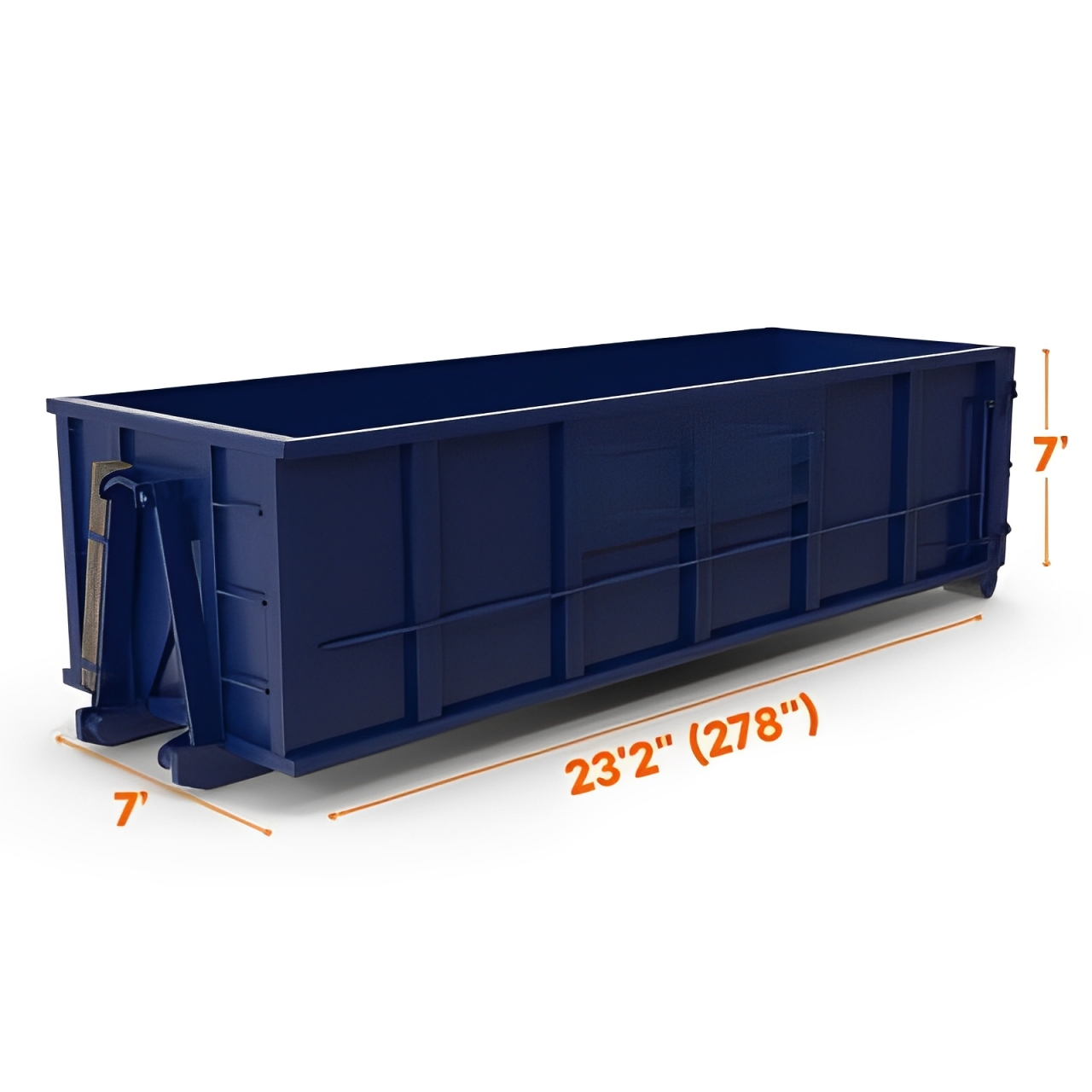
40 Yard Roll-Off Dumpster
Fits approximately 150 normally-filled 30-gallon trash bags.
Ideal for:
• Major home renovation or remodeling projects
• Large-scale commercial cleanouts
• Extensive landscaping or yard renovation projects
• Large construction projects (e.g., new home construction)
• Demolition of large structures or significant portions of a building
We Proudly Serve
Standard Portable Toilets
Standard Portable Toilets offer convenient and hygienic sanitation solutions for outdoor events and construction sites in Nashville.
High Rise Portable Toilets
High Rise Portable Toilets provide accessible sanitation for workers at elevated job sites in Dickson.
Restroom Trailers
Restroom Trailers deliver luxury and convenience for events in Dickson, offering a premium sanitation experience.
Roll off Dumpsters
Roll off Dumpsters in Dickson provide durable and efficient waste management solutions for various projects.
Septic Tank Cleaning
Septic Tank Cleaning ensures thorough and regular maintenance of septic systems for homes and businesses around Nashville.
Grease Trap Cleaning
Grease Trap Cleaning in Dickson delivers efficient removal of grease buildup to maintain smooth restaurant operations.
Fencing & Barricades
Fencing & Barricades offer secure and adaptable solutions for event and construction site boundaries in Nashville.
Residential Storage
Residential Storage in Dickson provides safe and accessible options for temporary personal storage needs.
Dickson Waste Solutions and More
Obtaining a quote and scheduling delivery for a Roll Off Dumpster in Dickson has never been easier. Our seamless process involves a user-friendly online form, which is available at both the top and bottom of our webpage. By simply filling out this form with your first name, last name, phone number, and email, you streamline the quote request process. The strategically placed 'Get A Quote' buttons further facilitate quick access to this service, ensuring you receive a timely response. Our team is dedicated to providing clear, comprehensive quotes that detail every aspect of your rental—eliminating hidden fees and unexpected costs. Delivery of your dumpster is organized at your convenience, accommodating your schedule to ensure minimal disruption to your operations. Whether you're dealing with construction debris, home renovations, or special event waste, our service is designed to deliver the dumpster you need, exactly where and when you need it. Let us handle the logistics so you can focus on what truly matters—completing your project smoothly.
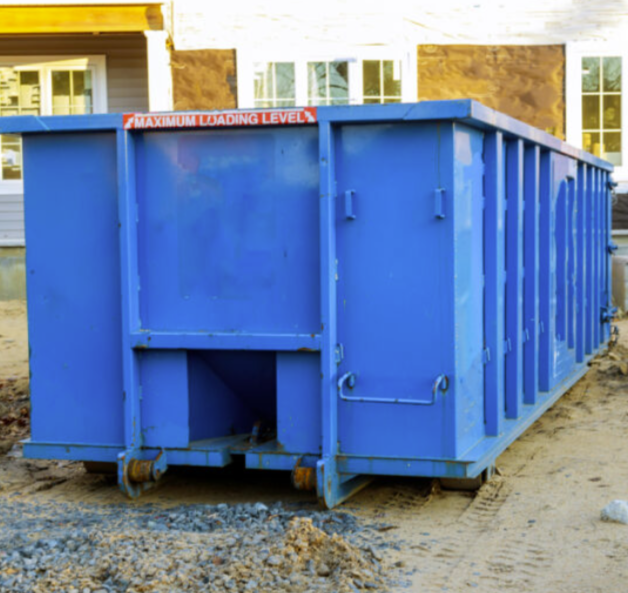
Experience the convenience of using our Roll Off Dumpster services in Dickson, a city celebrated for the Renaissance Center and the captivating allure of the annual Old Timer's Day Festival. Our dumpsters seamlessly integrate into the charm of Dickson's events, from local festivals to outdoor weddings.
Our commitment to local service ensures that each dumpster rental not only meets but exceeds the expectations of residents and businesses alike. Known for their cleanliness and reliability, our dumpsters provide peace of mind, whether you're managing waste for the bustling Old Timer's Day Festival or an intimate family gathering.
Discover how our services enhance the hospitality that defines Dickson, making us the top choice for waste management solutions that leave a lasting impression on your guests.
Choosing us as your Roll Off Dumpster provider in Dickson means partnering with a company rooted in the local community. Our deep ties, cultivated over decades, ensure we're a dependable choice for all your waste management needs.
We tailor our service options to reflect the distinctive qualities of Dickson, appreciating what makes this area unique. Known for professionalism and timely service, we've become integral to Dickson's residential and commercial endeavors.
Allow us to assist with your next event or project, delivering the waste solutions you require with a steadfast commitment to quality and local authenticity.
At the heart of our operations lies our promise to deliver fast and reliable service tailored to meet the specific needs of our Dickson clients. We recognize the crucial role time plays in every project.
Our swift Roll Off Dumpster delivery integrates seamlessly with your schedule, adapting to last-minute changes and offering flexibility. Designed to handle a diverse range of waste, our service keeps your site tidy and efficient throughout your project.
Trust us for a waste management solution that upholds consistency, punctuality, and unwavering commitment to customer satisfaction.
Explore Roll Off Dumpster Services in Dickson
Renting a Roll Off Dumpster in Dickson is designed to be a straightforward and accessible process, thanks to our user-friendly online platform. Start by visiting our website, where you'll find forms conveniently located at the top and bottom of each page. These forms require just four pieces of basic information: your first name, last name, phone number, and email, ensuring your personal details are secured with ease and simplicity.
Once completed, click the 'Get A Quote' buttons, strategically scattered throughout our site, to submit your request. Completing this action alerts our dedicated team to begin processing your needs immediately, aiming to serve you with both speed and precision. This process eliminates any guesswork, providing you with clear and comprehensive pricing for your intended rental period and dumpster size, void of hidden fees or last-minute surcharges.
Upon receiving your quote, you'll connect with our professional service team to finalize details and arrange delivery of your chosen Roll Off Dumpster directly to your specified location in Dickson. Our team is committed to tailoring logistics to meet your schedule, whether your project requires last-minute coordination or follows a pre-planned timeline.
Furthermore, for any complex projects or multiple dumpster requirements, our representatives are readily available to discuss tailored plans that fit your specific circumstances. Contacting us is convenient, utilizing our stated phone number or an intuitive chat feature ensuring that your questions and needs are addressed promptly.
This streamlined rental process, underpinned by our commitment to service excellence, positions us as the leading choice for efficient, hassle-free waste management solutions in the Dickson area.
When you place an order for a Roll Off Dumpster, our team swiftly coordinates to meet your delivery timeframe with efficiency and precision. Typically, once your request is processed and your dumpster rental is confirmed, deliveries are scheduled within just 24 to 48 hours, ensuring that your project experiences minimal downtime and delays.
This quick turnaround is made possible by our local focus, keenly aware of Dickson's geographic and scheduling nuances, empowering us to leverage our logistical strengths and deliver on promises consistently. Though peak demand periods may naturally extend lead times slightly, we are committed to communication transparency and will promptly inform you of any changes in anticipated delivery windows.
Our proactive approach includes planning ahead for potential scheduling obstacles—such as inclement weather or site accessibility issues—coupled with adjusting plans dynamically to guarantee delivery timing suited to your logistical needs.
Once delivered, tracking systems in place allow you to monitor your dumpster status in real-time, allowing you to gauge fill capacity, request interim pickups if needed, or schedule final removal—all optimizing your project's timing and resource allocations.
For time-sensitive projects or those requiring extra specificity, we recommend early engagement with our customer support team. With advanced notice, enhanced scheduling accommodations can be arranged to further align delivery with exact project requirements.
This commitment to service flexibility and customer satisfaction demonstrates why we are the trusted partner for Roll Off Dumpster rentals in Dickson, ensuring quick and reliable responsiveness to your every project need.
Absolutely, our services are designed to accommodate a wide variety of events and construction services. Whether you need support for bustling festivals, large-scale sporting events, or intimate weddings, we have the equipment and expertise to meet your needs. Our offerings include luxury restroom trailers, standard porta potties, roll-off dumpsters, fencing and barricades, holding tanks, ADA-compliant units, and portable sinks, not to mention convenient hand sanitizer stations for increased hygiene.
We pride ourselves on a flexible and responsive approach, capable of tailoring our service packages to match the unique demands of every occasion. Each event and project type—from corporate gatherings to family reunions—is afforded the same level of quality service and attention. Through robust support and resource allocation, your logistical challenges are simplified, allowing you to focus on the event itself.
Our comprehensive range is meticulously maintained to ensure high standards of cleanliness and functionality, reaffirming our commitment to leave a positive impression on your guests and attendees. By incorporating the latest in equipment technology and sustainability practices, we contribute to eco-friendly events that also stand apart in professionalism and reliability. Thus, whether it's for a construction site or a special event in Dickson, our diverse service offerings ensure that we can cater to every conceivable need with expertise and efficiency.