Restroom trailers offer numerous eco-friendly advantages, making them a preferred choice for environmentally conscious events and construction sites. Unlike traditional bathroom facilities, restroom trailers are designed to minimize water usage, with advanced low-flow fixtures and efficient plumbing systems that considerably reduce water consumption. By conserving water, these trailers contribute significantly to sustainability efforts and help preserve local water resources.
Moreover, restroom trailers leverage advanced waste management systems. They are built to contain and process waste effectively, minimizing environmental impact and ensuring that sanitation needs do not compromise ecological standards. Through careful containment and professional waste disposal, these units prevent potential contamination, thereby protecting local ecosystems.
The materials used in restroom trailers are often designed for long-term use, reducing the need for constant replacements and minimizing waste generation. Many units are crafted from durable and recyclable materials, further enhancing their eco-friendly credentials by ensuring minimum landfill contribution at the end of their lifecycle.
Ventilation and climate control systems used in restroom trailers also help reduce energy consumption. These features are optimized for efficiency, maintaining comfort without excessive power use, aligning with green energy initiatives and reducing the carbon footprint of events that use these facilities.
Additionally, the portability of restroom trailers allows for strategic placement, minimizing vehicle use and transport emissions associated with bringing sanitation solutions to remote or outdoor events. This reduced need for multiple trips lowers the overall environmental impact compared to traditional venue-based facilities.
In conclusion, restroom trailers provide a comprehensive eco-friendly option for sanitation by preserving water resources, managing waste efficiently, utilizing eco-friendly materials, and optimizing energy use, all while ensuring comfortable and hygienic conditions for users. They stand as a sustainable alternative that meets both ecological and practical needs, supporting the environment while maintaining high standards of service.

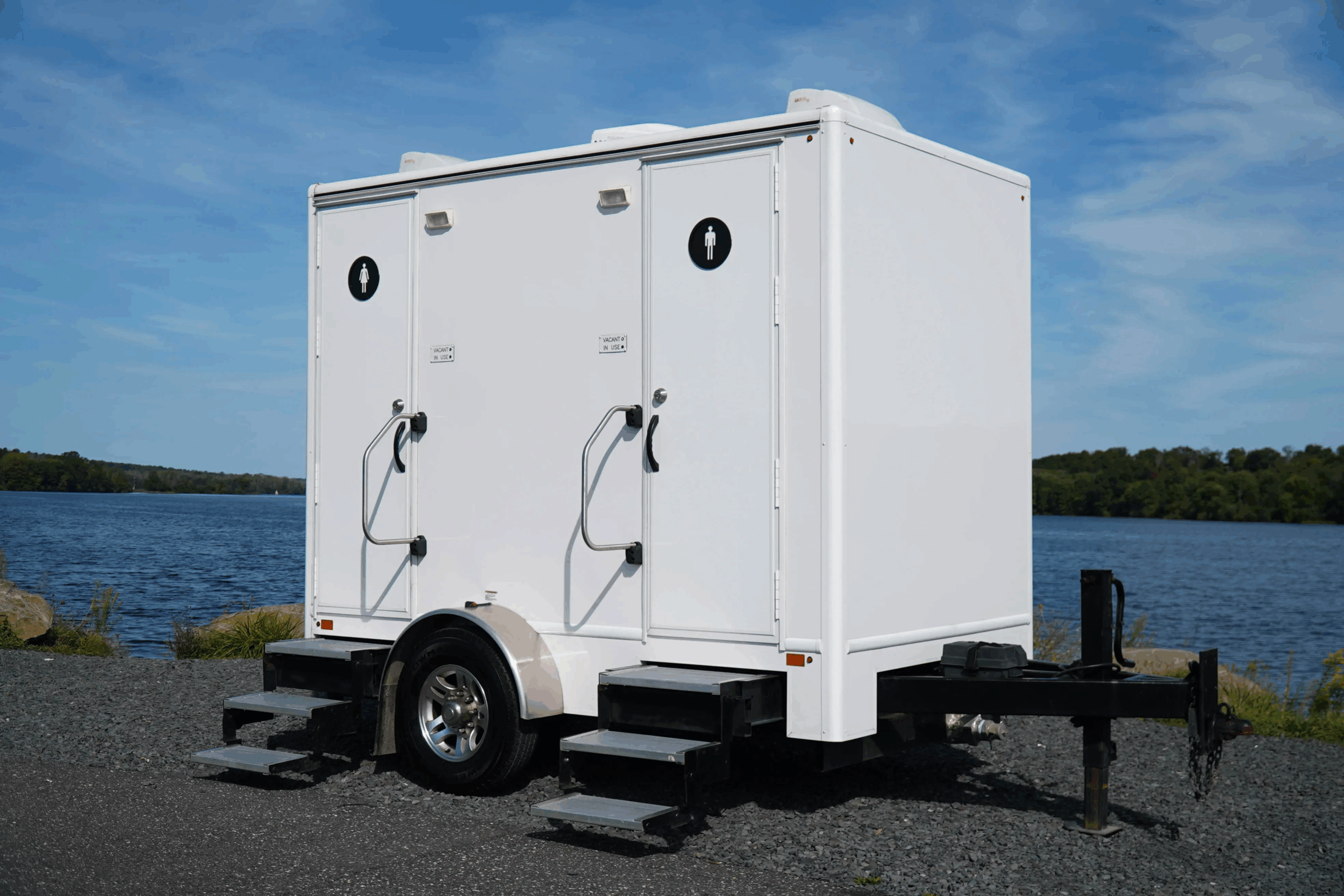
Restroom Trailer Rentals in Lewisburg, Tennessee
Call today for a free quote (615) 912-8808
Restroom Trailer
Fast, Easy, & 100% Free To Get Started
Over 40 Years Experience
With over 40 years of experience, we proudly serve the Lewisburg community with top-tier sanitation solutions. Our deep community ties and unwavering commitment to quality ensure customer satisfaction at every step.
Exceptional Quality Assurance
We remain steadfast in our commitment to delivering high quality, ensuring each restroom trailer meets top standards. We promise cleanliness, comfort, and functionality.
Prompt and Reliable Delivery
Experience hassle-free service with our quick and dependable restroom trailer delivery. We ensure your sanitation needs are met swiftly and efficiently.
Premium Restroom Trailers in Lewisburg
Call for a Free Quote Today
(615) 912-8808
Based in the heart of Lewisburg, we are your go-to company for professional restroom trailer services. We pride ourselves on being dependable, reliable, and locally owned, ensuring that your event's sanitation needs are both met and exceeded. Whether it's for bustling construction sites, lively parties, festive festivals, or elegant weddings, our versatile solutions cater to any occasion in Lewisburg and surrounding areas. Our commitment to quality and customer satisfaction makes us a trusted choice for all your sanitation requirements.
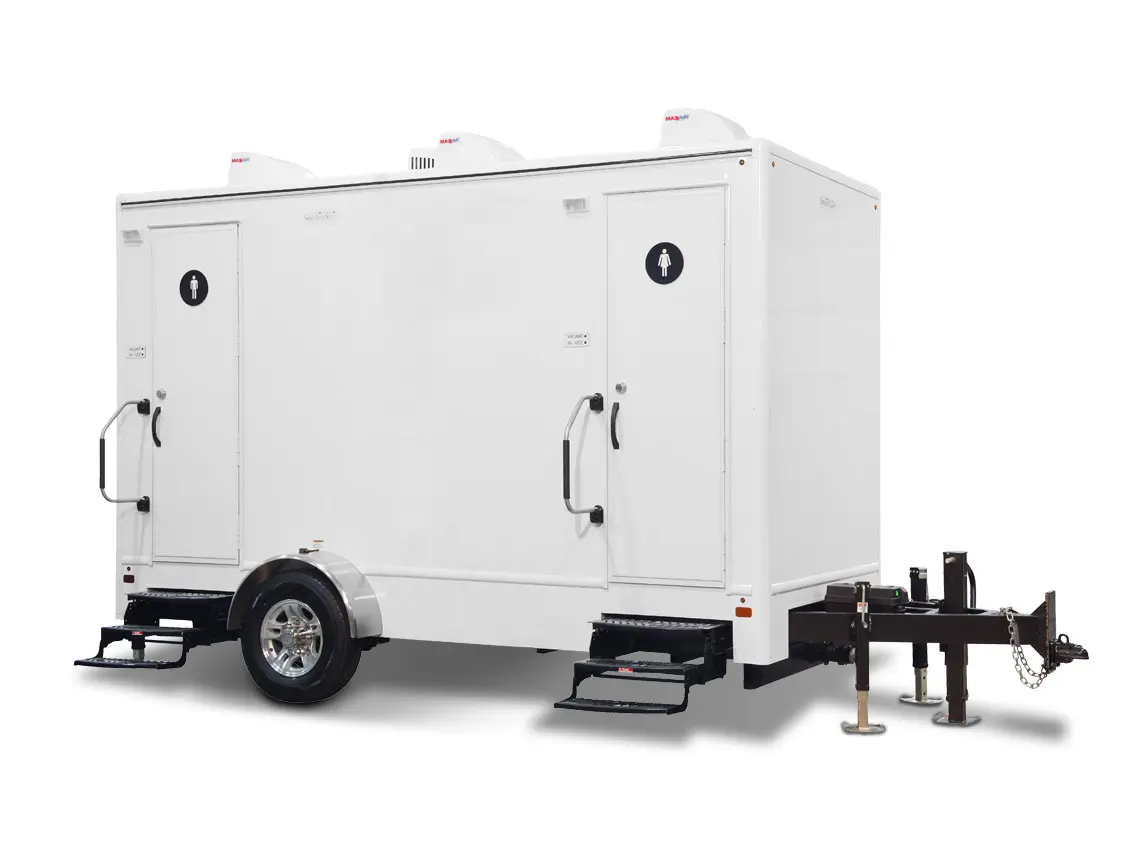
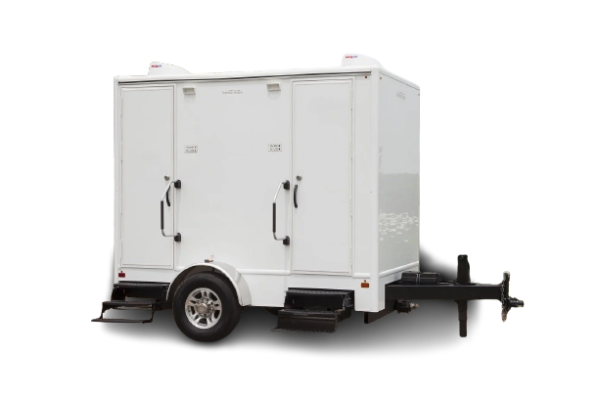
2 Restrooms
A compact, stylish solution featuring separate entrances for men and women.
Each private suite includes flushing toilets, sinks with running water, interior lighting, and climate control for comfort at any event or worksite.
(We offer variants 2–10 stalls.)
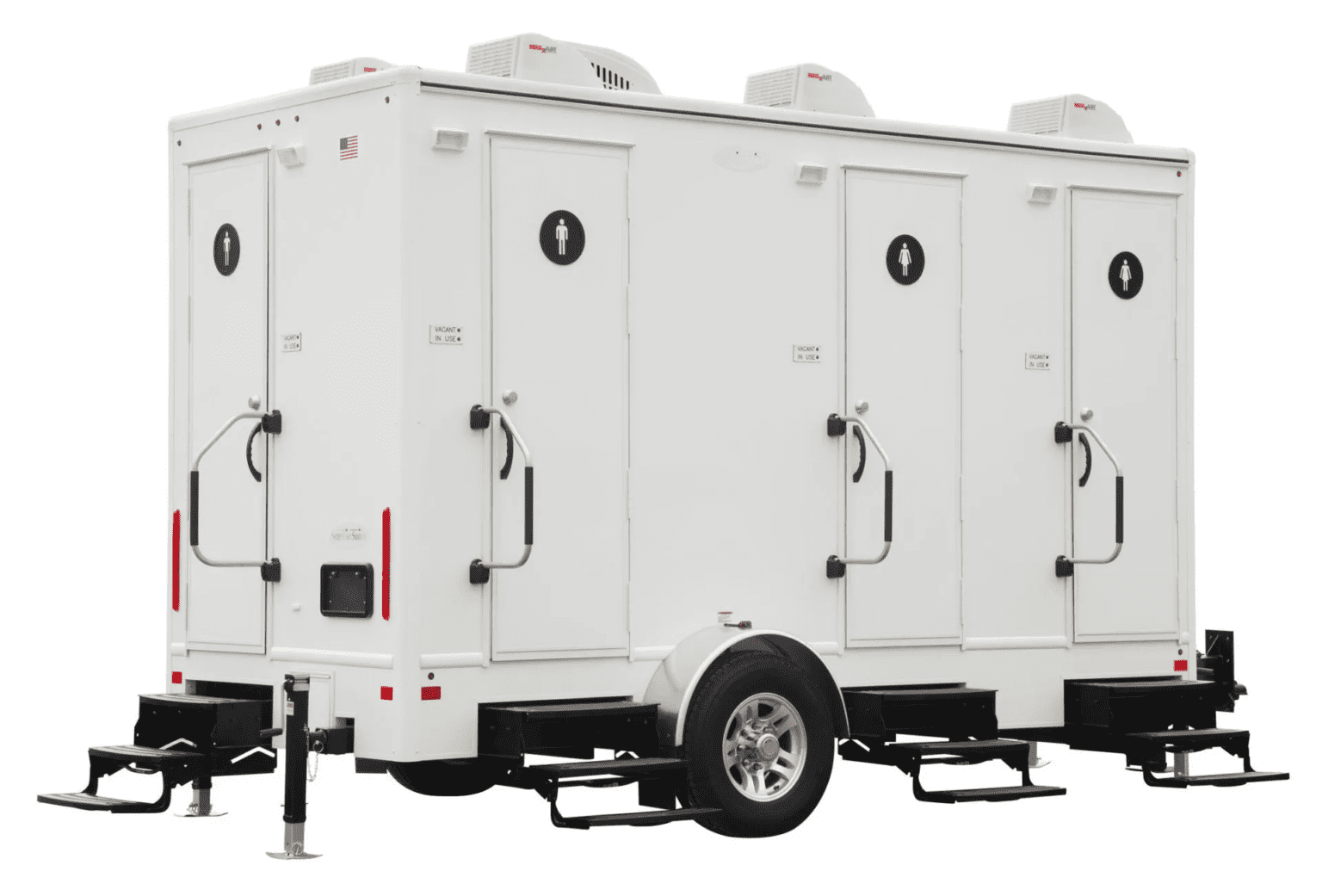
4 Restrooms
Designed for higher guest capacity, this unit offers four private, individual restrooms with flushing toilets, sinks with running water, interior lighting, and climate control.
Ideal for weddings, festivals, and busy job sites.
(We offer variants 2–10 stalls.)
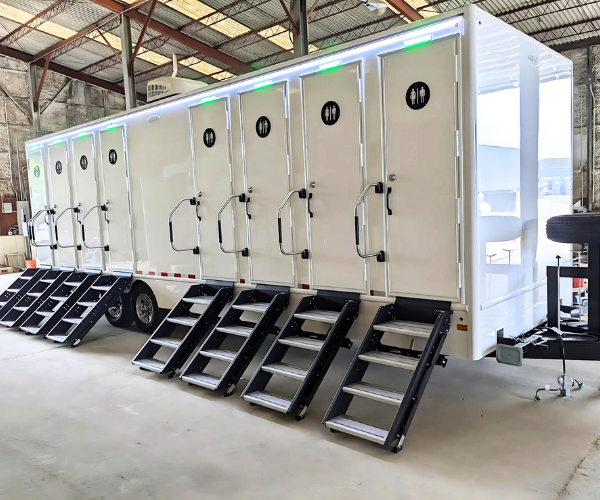
8 Restrooms
Perfect for large events and high-traffic sites, this spacious trailer provides eight private stalls, each with a flushing toilet, sink with running water, interior lighting, and climate control.
A reliable, upscale solution for maximum convenience and comfort.
(We offer variants 2–10 stalls.)
We Proudly Serve
Standard Portable Toilets
Our Standard Portable Toilets provide essential sanitation solutions for FusionSite Nashville events in Tennessee.
High Rise Portable Toilets
High Rise Portable Toilets in Lewisburg offer exceptional service with reliability and functionality for every construction need.
Restroom Trailers
FusionSite Nashville delivers unparalleled Restroom Trailer service in Lewisburg for events demanding quality and convenience.
Roll off Dumpsters
FusionSite Nashville's Roll off Dumpsters in Lewisburg boast versatile waste management solutions perfect for any project.
Septic Tank Cleaning
Offering top-notch Septic Tank Cleaning services, FusionSite Nashville ensures cleanliness and efficiency in Tennessee.
Grease Trap Cleaning
Our professional Grease Trap Cleaning service in Lewisburg ensures hygiene and operational effectiveness.
Fencing & Barricades
FusionSite Nashville provides robust Fencing & Barricades services throughout Tennessee for secure, organized events.
Residential Storage
Our Residential Storage in Lewisburg, Tennessee, caters to all your personal storage requirements with security and convenience.
Lewisburg Restroom Trailer Rentals
Securing a quote for a restroom trailer in Lewisburg has never been simpler, thanks to our efficient service. We offer several easy ways to obtain a quote and schedule delivery for our restroom trailers. You can start by filling out a brief form at the top or bottom of our webpage, requiring just your first name, last name, phone number, and email. Alternatively, click on the 'Get A Quote' buttons prominently displayed across our site for quick access to our rates and availability.
As soon as you submit your information, our team promptly reviews your needs and provides a precise quote customized to your requirements. Our dedicated support staff stands ready to assist with any questions or additional information you might need to finalize your order. Understanding the importance of timely communication—especially for event planning—we focus on delivering quotes as swiftly as possible.
Beyond the straightforward quote process, we ensure seamless delivery, letting you concentrate on your event without worries about timely arrival or setup. Our professional team manages every aspect of logistics to bring the restroom trailer to your location efficiently. Rely on us for a smooth, dependable experience from inquiry to delivery, allowing you to focus on creating memories while we handle the logistics.
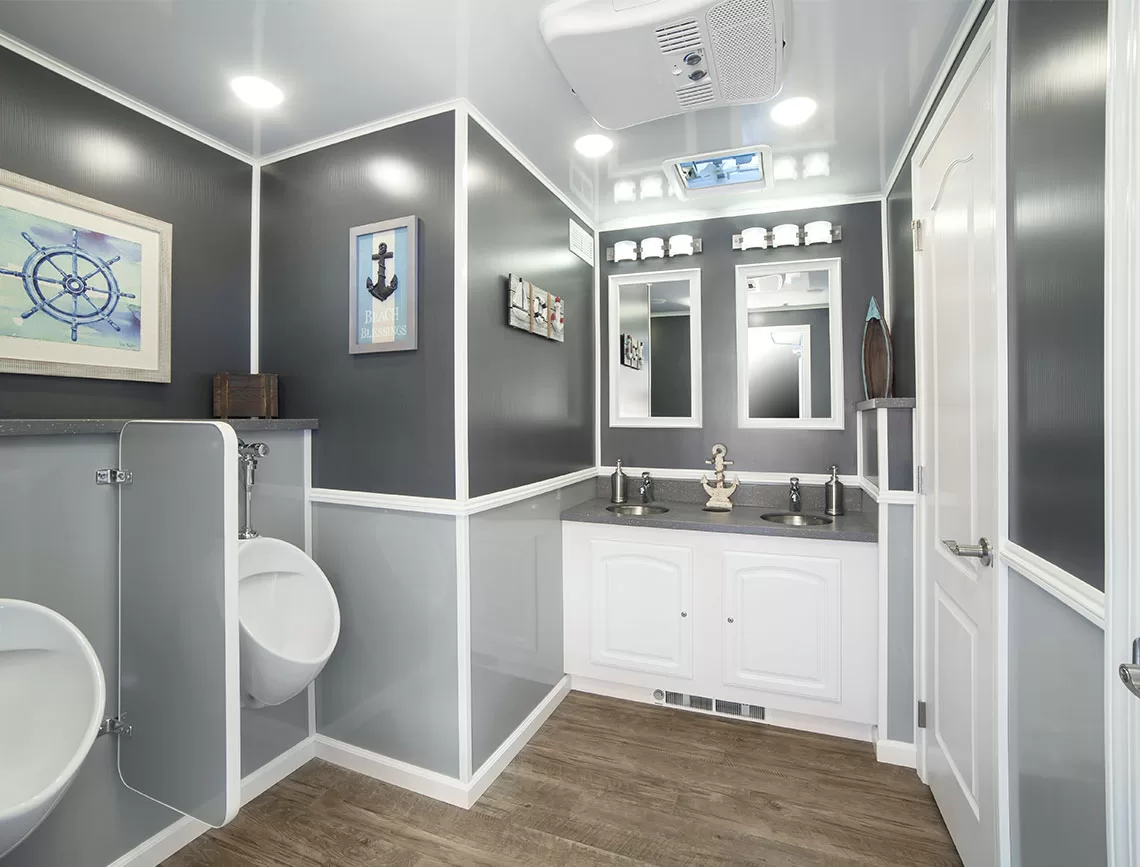
Lewisburg is celebrated for its southern charm, enriched with community spirit and vibrant events like the annual Goats, Music and More Festival that make it an ideal setting for our state-of-the-art restroom trailers. We elevate your occasions, whether nestled in the scenic beauty of Rock Creek Park, during a lively festival, or at a cherished community gathering, by providing clean, reliable, and convenient restroom facilities. Our restroom trailers integrate seamlessly into any environment, offering a blend of luxury and practicality. Designed to complement outdoor attractions while accommodating the unique features of Lewisburg's scenery, these trailers ensure guests enjoy modern amenities without missing a moment of the event. The versatility of our restroom trailers makes them the top choice for enhancing guest experiences, from weddings to festivals. We understand the local appeal, tailoring our services to match the ambiance and uniqueness of Lewisburg, ensuring our products meet the highest standards of cleanliness and service reliability.
FusionSite stands as the premier choice for restroom trailer services in Lewisburg, driven by our extensive expertise and community roots. Our reputation for excellence is founded on the delivery of premium products and outstanding service, reflecting our dedication to enhancing client experiences.
Choosing us guarantees unmatched customer satisfaction, with a commitment to professionalism and reliability at every juncture. Our experienced team aids in selecting the best options for your needs, ensuring a perfect fit for any occasion.
Trusted by Lewisburg residents and event planners alike, we offer restroom solutions that align with local preferences, optimizing the quality of your events while maintaining our tradition of superior service.
Our company's reputation for speedy and dependable restroom trailer services sets us apart in Lewisburg. From the moment you place an order, our team ensures rapid communication and clear scheduling, prioritizing your timelines above all.
We streamline the process of fulfilling your requirements, guaranteeing prompt delivery and efficient setup. Our experienced logistics team leverages local expertise to navigate the area swiftly, ensuring your event runs smoothly without delays.
Backed by a dedicated support staff on standby for any urgent requests or adjustments, we remain committed to providing fast service without compromising on the quality or experience of our restroom trailers.
Learn More About Our Restroom Trailer in Lewisburg
Renting a restroom trailer in Lewisburg is a straightforward process tailored to ease and efficiency for your event planning needs. To initiate the rental, simply navigate to our website where you will find user-friendly forms located conveniently at both the top and bottom of each page. These forms are essential for capturing your basic information—such as your first name, last name, phone number, and email—to help us provide you with the most accurate service.
For added convenience, our website features 'Get A Quote' buttons prominently displayed across all pages, so you can effortlessly click through to access comprehensive details about our restroom trailer options and pricing. Once you submit the necessary information through these channels, expect a prompt follow-up from our dedicated support team who will assist in finalizing your rental.
Besides the easy-to-use online forms, we offer direct communication options for any inquiries or special requirements. Through phone or email, you can contact us to receive personalized assistance tailored to your event's unique needs. Our team is committed to providing swift responses, ensuring that you have all the necessary information to confidently make your restroom trailer selection.
Post-submission, our expert logistics team will coordinate with you on arrangements to ensure timely delivery and setup of the trailer at your desired location in Lewisburg. We handle logistics to focus on providing a seamless experience, allowing you to concentrate on other aspects of your event preparation.
We pride ourselves on a simple and stress-free rental process that guarantees satisfaction and optimal sanitation solutions, supporting local events with professional and reliable services.
Understanding the importance of timely service, we ensure that restroom trailer delivery in Lewisburg aligns precisely with your event schedules. Typically, we recommend placing orders well in advance to secure your desired trailers and ensure that logistics are efficiently handled. Upon confirmation of your order, our team coordinates delivery to suit your specific requirements.
The expected delivery timeframe is generally within 24-48 hours, providing fast and efficient service that accommodates last-minute requests. This quick turnaround time is made possible through our strategic logistics planning and local expertise, ensuring your trailer is ready and operational when you need it most.
Flexibility is a cornerstone of our service. We offer options for tailored delivery times, catering to diverse schedules and site availability. Whether your event is early morning or late evening, our team works hard to meet your needs with punctuality and professionalism.
During peak seasons, such as summer festivals or holiday gatherings, we advise clients to book as soon as possible, as high demand could potentially extend delivery times. Regardless of timing, we maintain a focus on clear communication, advising you on any possible variations and ensuring expectations are managed throughout the process.
Our commitment to service excellence includes a guarantee of set-up and thorough preparatory checks, confirming the operational status of all facilities prior to event commencement. By maintaining high standards and responsiveness, we promise that your restroom needs are met swiftly and satisfactorily.
Efficient delivery is one of our top priorities, allowing you to focus on event excellence without concern for your sanitation logistics.
Yes, we proudly offer comprehensive sanitation solutions for any type of event or construction service, ensuring that your requirements are not only met but exceeded. Our versatile range of products makes us an ideal partner for all kinds of occasions. From bustling festivals and high-energy sporting events to elegant weddings, corporate functions, and family reunions, no event is too demanding for our restroom trailer services.
We provide a diverse assortment of products, including luxury restroom trailers decked out with full amenities for VIP settings and convenience. In addition to portable restrooms, our comprehensive service package features porta potties, roll-off dumpsters for waste management, fencing and barricades for crowd control, and ADA units to accommodate all visitors.
With portable sinks and hand sanitizer stations further enhancing hygiene at your event, we ensure that your guests enjoy top-notch sanitation irrespective of the event size. Our reach is extensive, and we are capable of handling small backyard gatherings to large-scale festivals with equal efficiency.
For construction projects, we deliver robust restroom solutions tailored to site needs, while our roll-off dumpsters efficiently assist in effective waste disposal. Holding tanks and temporary infrastructure augment our service portfolio, supporting seamless operations on construction sites.
Dedicated to quality and reliable delivery, our team collaborates closely with event organizers and construction managers to customize solutions that fit unique project specifications. This flexibility, combined with our commitment to outstanding service standards, positions us as a leader in portable sanitation services across Lewisburg and beyond. Whether for bid day or weekend-long events, you can rest assured knowing we have everything covered.