Portable toilets are increasingly seen as eco-friendly alternatives to traditional plumbing, offering several environmental advantages. These units drastically reduce water usage compared to flush toilets, conserving a precious resource. A standard portable toilet uses about 1.3 gallons of water per clean, whereas a regular toilet can use up to 5 gallons per flush, making a significant difference over time. Moreover, the chemicals used in portable toilets are designed to minimize impact, typically breaking down waste in a manner that is safe for disposal in sewage systems.
The transport and deployment of portable toilets are also generally efficient, with minimal carbon footprint as they are designed to be moved in bulk, reducing vehicle emissions compared to the numerous trips needed to service conventional toilet facilities. By choosing portable toilets, event organizers can visibly demonstrate a commitment to sustainability, aligning with growing public interest in environmentally responsible practices. Highlighting an eco-friendly element, local ecosystems benefit too, as portable toilets prevent raw sewage contamination, crucial for events held in nature-heavy venues.
Microorganisms used in waste treatment within portable toilets further contribute to breaking down waste in an environmentally considerate manner. Meanwhile, portable toilets provide a practical platform to explore sustainable waste management technologies, as developments continue in biodigestion and composting enhancing their green credentials.
In essence, portable toilets offer a pragmatic path towards more eco-conscious event planning, promoting water conservation and waste reduction, which is essential for sustainable development and community welfare. They embody a shift towards environmentally sound event infrastructure prioritizing an equally hospitable experience for users while minimizing ecological impact.

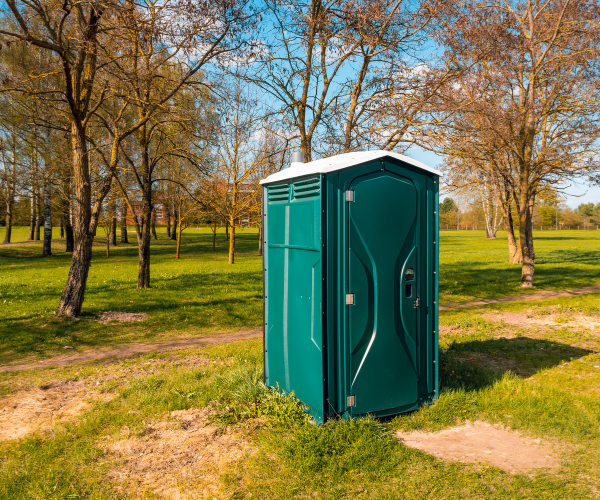
Portable Toilet Rentals in South Carthage, Tennessee
Call today for a free quote (615) 912-8808
Portable Toilet
Fast, Easy, & 100% Free To Get Started
Over 40 Years of Experience
With over 40 years in the industry, FusionSite has built enduring partnerships in the South Carthage community. We deliver reliable portable toilet services, ensuring every aspect meets our standards of quality and customer satisfaction.
Top-Notch Quality Service
FusionSite prides itself on delivering top-notch quality service, ensuring that each portable toilet provided meets the highest standards of cleanliness and functionality for our valued clients in South Carthage.
Fast, Reliable Delivery Services
Our team at FusionSite is dedicated to providing fast, reliable delivery services for portable toilets, ensuring that your needs in South Carthage are met promptly and efficiently, no matter the size or urgency of your event.
Convenient Portable Toilet Services in South Carthage
Call for a Free Quote Today
(615) 912-8808
At FusionSite in South Carthage, we proudly deliver dependable portable toilet solutions tailored to diverse needs. As a locally-owned enterprise, we focus on providing reliable service and maintaining exceptional cleanliness standards, earning the trust of our customers. Our reach extends beyond South Carthage to the surrounding areas, making our units ideal for construction sites, parties, festivals, and weddings. You can rely on us for a seamless rental experience, backed by our reputation for prompt delivery and comprehensive maintenance. Whether hosting a small gathering or a large event, our portable toilets ensure the highest quality and hygiene. Choose FusionSite for your next event and discover the convenience and reliability that distinguish us.

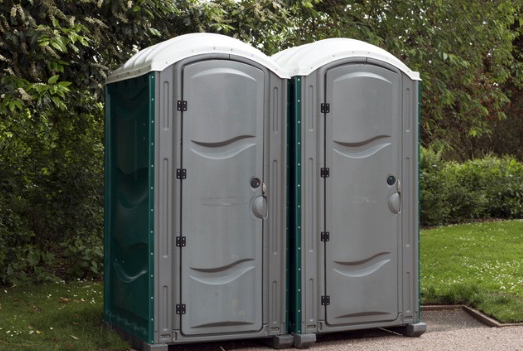
Standard Portable Toilet
Our standard porta john rental units are durable and reliable for any commercial build site, housing development, public works project, or remodel job.
Features include dome lighting, grated floors, and an “In-Use” locking mechanism for privacy and comfort.
Regularly maintained, inspected, and cleaned by FusionSite at your location.
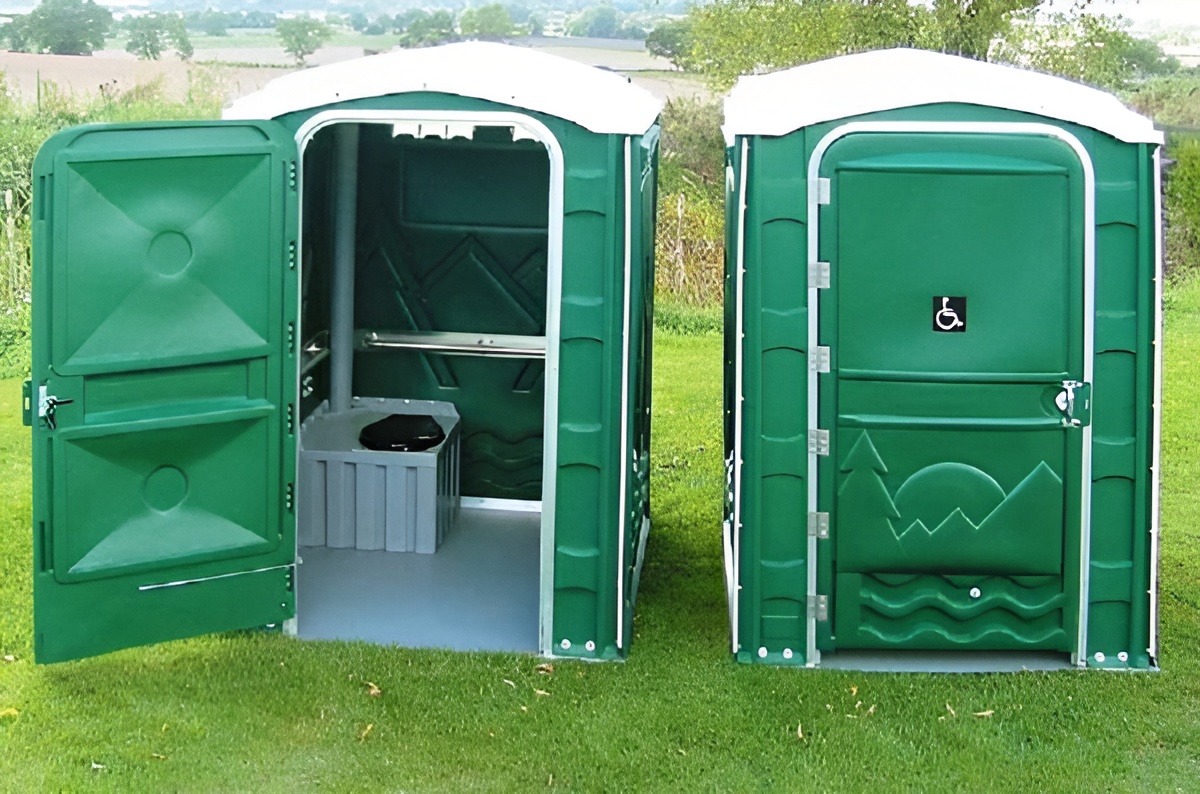
Wheelchair Accessible Restrooms
Developed as an alternative to full ADA-compliant restrooms, the Liberty is a spacious, wheelchair-accessible unit that can also be promoted as a family-sized restroom.
Includes a patented flat-floor system for easy wheelchair access and maneuverability.
Handrails, paper holder, and rotary latch are designed for simple, intuitive end-user operation.
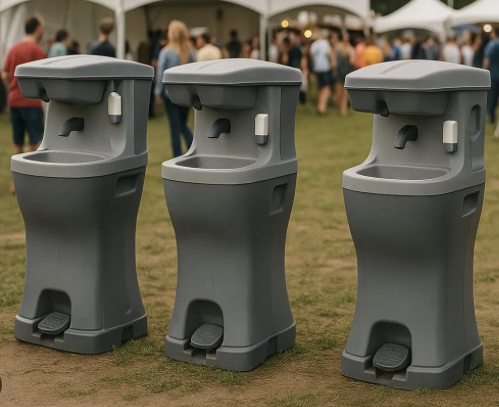
Portable Sink
Portable hand washing stations are essential for keeping your work site sanitary and clean.
Features hands-free foot pumps, liquid soap, and paper towels.
Perfect for job sites without water hookups, these units can handle hundreds of washes between services.
We Proudly Serve
Standard Portable Toilets
Standard Portable Toilets in Tennessee offer reliable hygiene solutions for any event, courtesy of FusionSite Nashville.
High Rise Portable Toilets
High Rise Portable Toilets in South Carthage ensure accessibility and convenience even on elevated platforms.
Restroom Trailers
Restroom Trailers by FusionSite Nashville bring luxury and comfort to your events in South Carthage.
Roll off Dumpsters
Roll off Dumpsters in South Carthage guarantee a clean and clutter-free site, thanks to FusionSite Nashville's dependable services.
Septic Tank Cleaning
Efficient Septic Tank Cleaning in Tennessee delivered by FusionSite Nashville ensures smooth operation of sewage systems.
Grease Trap Cleaning
FusionSite Nashville excels in Grease Trap Cleaning, maintaining hygiene in South Carthage dining establishments.
Fencing & Barricades
Fencing & Barricades by FusionSite Nashville provide safety and order for outdoor events across Tennessee.
Residential Storage
Secure Residential Storage in South Carthage with tailor-made solutions from FusionSite Nashville.
South Carthage Portable Toilets and More
Securing a quote and arranging delivery for a portable toilet in South Carthage is designed to be straightforward and convenient. Our online platform allows seamless access to the 'Get A Quote' feature, prominently located both at the top and bottom of our web pages. Simply click a button to start, requiring minimal input such as your first and last names, contact phone number, and email address. This accessibility ensures that you are never more than a few clicks away from getting the information and service you need.
Once you've requested a quote, our dedicated customer support team engages promptly to offer personalized assistance, guiding you through the selection of optimal portable sanitation solutions tailored to your specific event or project. Whether you are hosting a wedding needing upscale amenities or managing a bustling construction site, we cater to diverse requirements with ease and professionalism.
Delivery arrangements are equally accommodating, with options to fit your exacting schedule. We pride ourselves on punctuality and flexibility, upholding commitments to drop off and set up portable toilets at your convenience. This is why clients throughout South Carthage and surrounding locations prefer and recommend our services.
By choosing us, you ensure access to modern, hygienic facilities that elevate comfort and cleanliness standards for your guests or workforce. Our team is equipped to manage logistical challenges, ensuring that the process remains smooth from start to finish. Transparency in pricing, combined with a wealth of experience, makes us the trusted partner for portable toilet rentals, consistently exceeding expectations with every engagement.
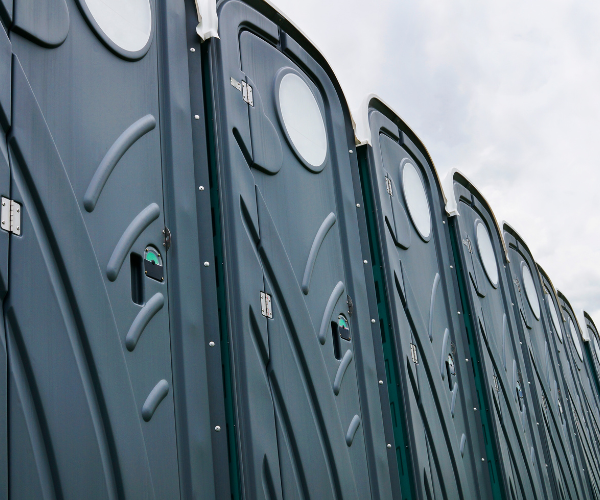
South Carthage presents a delightful small-town atmosphere brimming with vibrant community spirit, making it an ideal backdrop for various events. Our portable toilet services significantly enhance these occasions, from local festivals and community fairs to outdoor weddings set against Tennessee's beautiful landscapes. Our units undergo meticulous maintenance and cleaning, ensuring sanitation meets the community's standards for comfort and convenience. We aim not just to meet but to exceed your guests' expectations, delivering an experience that truly complements South Carthage's natural charm. As the premier provider in the area, our portable toilets have become essential at local attractions and events like the annual Smith County Fair, solidifying the region's welcoming reputation for both residents and visitors. Our dedication to reliability and superior service distinguishes us as the preferred provider for dependable sanitary solutions tailored to South Carthage's specific needs. Featuring a suite of amenities for both functionality and style, our portable toilets do more than offer convenience—they enhance event quality, fostering positive guest experiences that reflect the warmth and hospitality exemplified by landmarks such as the Cordell Hull Bridge. Partner with us to transform your next gathering into an unforgettable event.
FusionSite leads the field in portable toilet services in South Carthage, defined by our dedication to excellence and community involvement. Our deep expertise guarantees clients a seamless experience, with personalized service that focuses on your specific requirements.
The impeccable condition and reliability of our units offer peace of mind, underscoring our commitment to quality and attention to detail. Choose our dependable services to enjoy exceptional professionalism and reliability, ensuring your event or project succeeds smoothly.
Firmly rooted in South Carthage, we bolster the community with superior sanitary solutions, supported by a team devoted to delivering remarkable experiences for each client. Experience the FusionSite difference and understand why we surpass competitors, continually backed by a loyal client base that appreciates our integrity and proficiency.
At FusionSite, the speed and reliability of our portable toilet service are paramount, designed to assure efficiency and satisfaction for every client. Our streamlined operations ensure fast delivery, accommodating the unique timeframes that each event or project demands in South Carthage.
From urgent deployments for unexpected needs to precise timelines for scheduled events, our team works diligently to align with your expectations, ensuring little room for delay. It is our unwavering commitment to meet deadlines and exceed standards, inherently understood and consistently implemented.
We leverage an extensive inventory to maintain our responsiveness, successfully matching varied event sizes and locations without compromise, resonating with our longstanding reputation for excellence. Our dedication to swiftness and reliability in portable sanitation services underscores our passion for client satisfaction, where each solution is tailored and executed with precision.
Discover Our Portable Toilets in South Carthage
Renting a portable toilet in South Carthage is streamlined to be quick and efficient, encompassing easy access from the comfort of your home or office. Begin by visiting our user-friendly website where you'll find the ‘Get A Quote' form prominently displayed at both the top and bottom of the page. This form is your gateway to understanding available options and costs, requiring simple information such as your first and last name, phone number, and email address.
Once submitted, our dedicated team springs into action, tailoring solutions specifically to your needs, whether it's for construction site sanitation, personal event settings, or expansive public gatherings. This personalized approach ensures your requirements are met with precision and professionalism, supporting optimal planning and coordination ahead of your event or project dates.
We prioritize transparent communication and clear pricing, eliminating hidden fees, which contributes to a stress-free contract completion process. The seamless digital interaction means you're always informed, and further support is just a phone call away should you need additional guidance or have specific inquiries.
Alternatively, those preferring direct engagement can utilize the strategically placed ‘Get A Quote' buttons across the site, indicating a firm focus on providing you with what is necessary swiftly and accurately. This flexibility is mirrored in our logistical capabilities as well, ensuring that once finalized, our delivery and service adhere to your timelines, further demonstrating our commitment to exceptional customer service. If you need assistance, call us, and we're here to offer expert advice and fast solutions, embodying efficiency and commitment in every interaction.
At FusionSite, standard delivery timelines for portable toilets range from 24 to 72 hours, adjusted based on precise location and availability requirements within South Carthage and surrounding areas. Our capability to commit to these timelines stems from well-coordinated operations focused on reliability, ensuring that orders are executed swiftly and seamlessly as part of our commitment to hassle-free service.
For event planners and site managers requiring immediate service, expedited options are available, offering a heightened state of readiness for urgent situations. This capacity underscores our responsiveness and versatile engineering logistics to manage demand fluctuations effectively, aligning with a dedicated effort to accommodate client specifications.
The strategic inventory management we employ serves as the backbone for operational efficiency, allowing us to promptly adjust delivery sequences without compromising quality or service scope, maintaining service excellence infused with a customer-centric focus.
To optimize delivery experiences, clients are encouraged to book portable toilet services well in advance, ensuring selected units meet specific needs with abundant customization available ahead of schedule. This proactive approach assures comprehensive availability and intricate planning for flawless execution, where advanced reservation and communication contribute positively to ensuring that our partnership becomes an asset to your successful event.
Our reputation for timely service is entrenched in the feedback and continued patronage of a large customer base, affirming trust in our pledged responsibilities to deliver beyond expectations. Moreover, post-delivery engagement ensures smooth operation and client satisfaction well-beyond initial engagements, reinforcing our dedication to long-term relationships driven by excellence.
We efficiently service a wide range of events and construction sites, tailoring solutions to meet the unique needs of our clients. At FusionSite, our expertise extends across diverse events like large outdoor festivals, intimate weddings, and corporate gatherings, as well as more specialized occasions. We offer a variety of solutions, reflecting our versatility in function and style.
Our products include luxurious restroom trailers, standard porta potties, roll-off dumpsters, and essential accessories such as fencing, barricades, and portable storage units. This comprehensive suite supports seamless event execution, maintaining high standards of cleanliness and operation to uphold our commitment to exceptional service.
Partnering with us provides event managers and site operators with units tailored to varied requirements, including ADA-compliant setups and eco-friendly options with solar-modified technology. Our logistical expertise ensures an approach that enhances guest experiences without sacrificing convenience.
Our dedication to versatile, client-focused operations highlights our ability to make significant contributions to events and projects. We elevate functionality and professional appeal for gatherings of any size. With our unparalleled service and extensive offerings, FusionSite consistently meets and surpasses sanitation needs, innovating at every step to exceed expectations.