Portable toilets provide numerous eco-friendly advantages, making them a sustainable choice for outdoor events and construction sites. Firstly, they significantly reduce water usage compared to traditional flush toilets. A standard portable toilet can conserve up to 25,000 gallons of water annually by not relying on constant flushing, thereby playing an essential role in water conservation efforts. Additionally, portable toilets help manage waste responsibly. They are designed with waste containment systems that prevent the seepage of pollutants into the ground and local water sources, thereby protecting our ecosystem from contamination.
The use of biodegradable chemicals in portable toilets further enhances their environmental appeal. These chemicals are designed to break down waste efficiently while minimizing the environmental impact compared to traditional cleaning agents. Furthermore, many modern portable toilets are constructed from recyclable materials, ensuring minimal environmental footprint with each unit. Finally, the deployment of portable toilets at events and construction sites reduces the need for constructing permanent restroom facilities, which can disrupt natural habitats and require significant natural resources. In summation, portable toilets offer a practical, environmentally responsible solution for sanitation that aligns with broader sustainability goals.


Portable Toilet Rentals in Red Boiling Springs, Tennessee
Call today for a free quote (615) 912-8808
Portable Toilet
Fast, Easy, & 100% Free To Get Started
Over 40 Years of Excellence
With over 40 years of experience, FusionSite has established deep roots in Red Boiling Springs and the surrounding community. Our dedication to quality service and customer satisfaction sets us apart, ensuring your needs are met with professionalism and care.
Dedicated to Quality
At FusionSite, we prioritize quality. Our portable toilets meet top standards in sanitation and customer service. Each unit is spotless, dependable, and perfectly suited for any event.
Swift and Timely Delivery
FusionSite is renowned for its punctual delivery service, ensuring your portable toilet arrives precisely when needed. We understand the importance of time and strive to provide a service that fits seamlessly into your schedule.
Reliable Portable Toilets in Red Boiling Springs
Call for a Free Quote Today
(615) 912-8808
At FusionSite Portable Toilets in Red Boiling Springs, Tennessee, we deliver reliable restroom solutions for every occasion. As a locally owned business, we proudly serve our community and nearby areas such as Lafayette and Carthage. Whether you need Portable Toilets for a construction site, a party, a festival, or a wedding, our services cater to your unique requirements. We ensure top-quality standards, keeping our units in pristine condition. Our commitment to excellence establishes us as a trusted regional name, providing clean, hassle-free solutions for events of all sizes with a customer-focused approach.

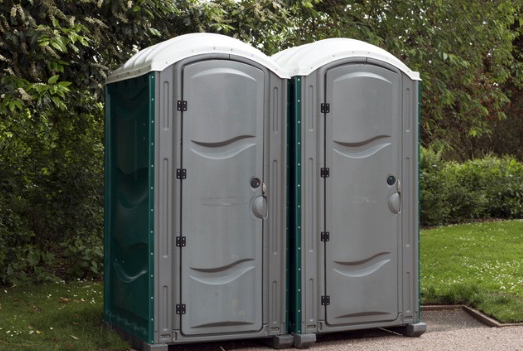
Standard Portable Toilet
Our standard porta john rental units are durable and reliable for any commercial build site, housing development, public works project, or remodel job.
Features include dome lighting, grated floors, and an “In-Use” locking mechanism for privacy and comfort.
Regularly maintained, inspected, and cleaned by FusionSite at your location.
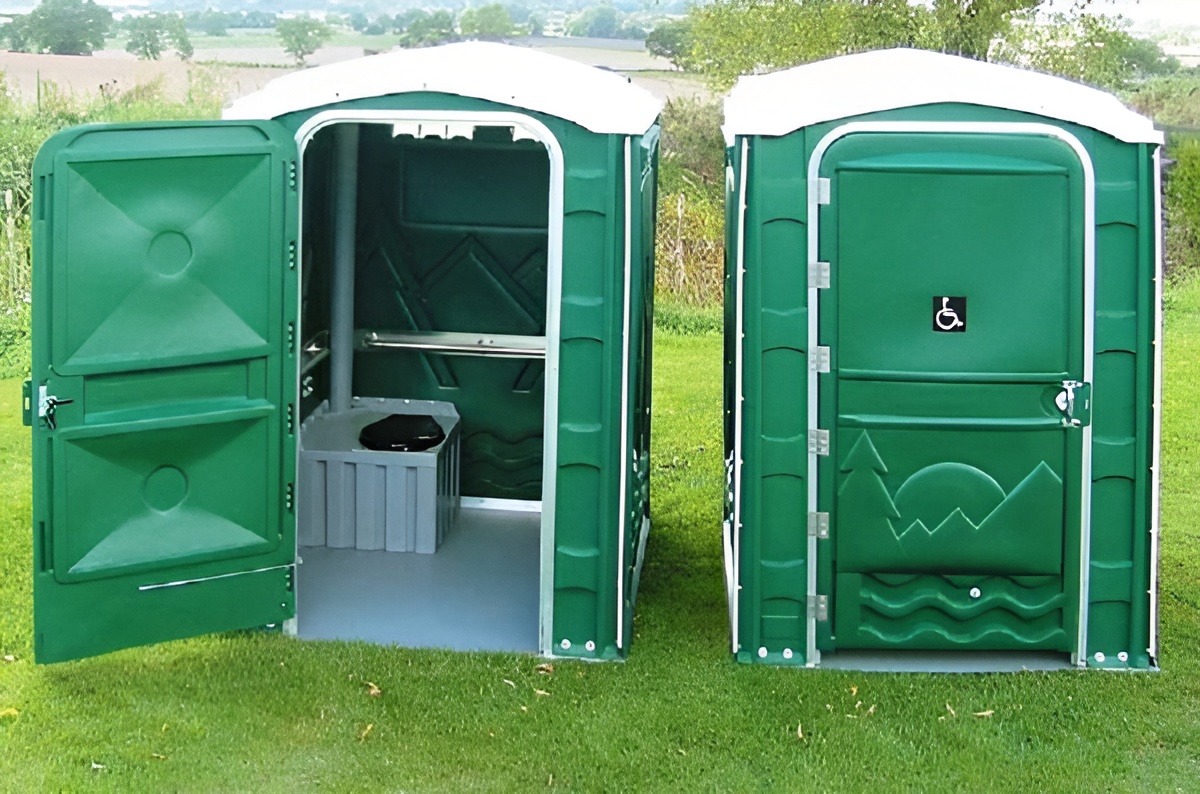
Wheelchair Accessible Restrooms
Developed as an alternative to full ADA-compliant restrooms, the Liberty is a spacious, wheelchair-accessible unit that can also be promoted as a family-sized restroom.
Includes a patented flat-floor system for easy wheelchair access and maneuverability.
Handrails, paper holder, and rotary latch are designed for simple, intuitive end-user operation.
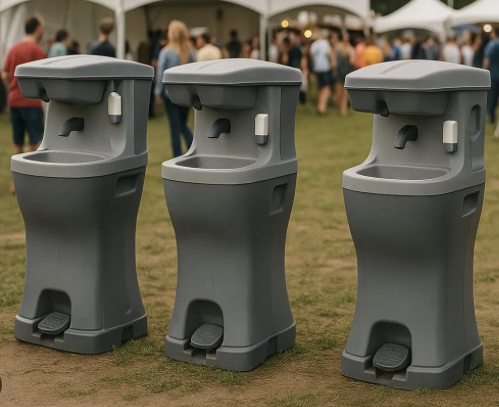
Portable Sink
Portable hand washing stations are essential for keeping your work site sanitary and clean.
Features hands-free foot pumps, liquid soap, and paper towels.
Perfect for job sites without water hookups, these units can handle hundreds of washes between services.
We Proudly Serve
Standard Portable Toilets
FusionSite Nashville's Standard Portable Toilets offer convenient and hygienic sanitation solutions for any outdoor event in Tennessee.
High Rise Portable Toilets
High Rise Portable Toilets by FusionSite, available in Red Boiling Springs, prove ideal for construction sites demanding elevated sanitation access.
Restroom Trailers
Experience comfort with FusionSite Nashville's Restroom Trailers in Red Boiling Springs, providing spacious and luxurious portable sanitation.
Roll off Dumpsters
FusionSite Nashville offers Roll off Dumpsters in Red Boiling Springs, efficiently managing waste for tidy and safe site operations.
Septic Tank Cleaning
FusionSite Nashville guarantees expert Septic Tank Cleaning services throughout Tennessee, ensuring optimal functionality and hygiene.
Grease Trap Cleaning
FusionSite Nashville's Grease Trap Cleaning in Red Boiling Springs maintains efficiency and cleanliness for commercial kitchens.
Fencing & Barricades
FusionSite Nashville provides robust Fencing & Barricades solutions, securing sites across Tennessee with reliable safety measures.
Residential Storage
Depend on FusionSite for secure and efficient Residential Storage solutions conveniently located in Red Boiling Springs, Tennessee.
Red Boiling Springs Portable Solutions
At FusionSite, getting a quote and scheduling delivery for a Portable Toilet is streamlined and efficient. Our website prominently displays 'Get A Quote' buttons, making access to our services quick and easy. Click this option to access a straightforward form that asks for your first and last name, phone number, and email. Upon submission, our team responds promptly, providing you with a competitive quote without delay. We offer an efficient delivery system, accommodating your schedule and location needs. Whether you require a single unit for a small gathering or multiple units for a larger event, our logistics team expertly manages each detail, ensuring timely service. Trust us to handle your sanitation needs with a seamless process and a strong commitment to customer satisfaction.
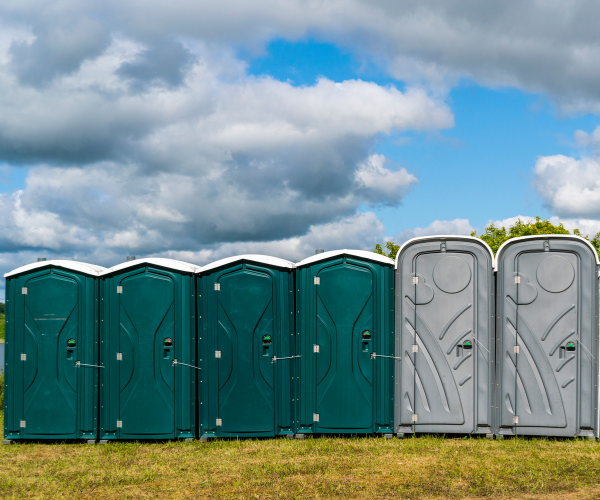
Discover the local charm of Red Boiling Springs, Tennessee, with FusionSite's premium portable toilet rentals. Our services enhance any outdoor event or community gathering, providing a crucial amenity that supports comfort and hygiene. Nestled in a region known for its scenic beauty and outdoor attractions, including the historic Palace Theatre and the famous annual Folk Medicine Festival, we cater to the unique needs of this vibrant area. Our commitment to the community goes beyond just services, as we actively engage in local events and take pride in supporting Red Boiling Springs' cultural landscape. From festivals that celebrate the area's heritage to outdoor weddings set against stunning natural backdrops, our portable toilets are the ideal choice. They blend seamlessly into the ambiance while ensuring a clean and pleasant experience for all attendees. Trust FusionSite for reliable, convenient, and top-tier sanitation solutions in Red Boiling Springs, because we believe in elevating the guest experience with quality products and exceptional customer service. Our dedicated team is here to assist you, ensuring that every detail is managed with the utmost care.
Why is FusionSite the best choice in Red Boiling Springs? Our expertise in providing specialized portable toilet services is unmatched, thanks to our longstanding history and deep roots in the community. We take pride not only in our superior products but also in the tailored service approach that best reflects the unique charm of this region.
Our local team ensures personalized attention, understanding the distinct requirements of various events and construction sites in Red Boiling Springs. Whether it's for an intimate family gathering or a large-scale festival, we offer the flexibility and reliability you need to succeed. Choose FusionSite for possessing the local insights to create genuinely effective sanitation solutions.
Our commitment to excellence guarantees that you get the best in both quality and service, making your experience with us seamless and worry-free. Count on our decades of knowledge and community involvement to deliver an experience that enhances your events and projects.
At FusionSite, we specialize in providing fast, reliable portable toilet services. We recognize the critical need for immediate, accessible sanitation, especially in dynamic, diverse settings. Our proactive team ensures that we address your needs with precision and speed, accommodating any scale of demand.
Our fleet management and delivery systems excel in efficiency, ensuring timely setup and removal aligned with your specific schedule. FusionSite's vast resources enable us to support any event or construction project effectively, offering peace of mind through our professional service.
Choose FusionSite for hassle-free and dependable solutions that exceed expectations, perfectly adapting to the distinct requirements of every location in Red Boiling Springs.
Discover Our Portable Toilet in Red Boiling Springs
Renting a portable toilet in Red Boiling Springs has become incredibly simple with FusionSite's efficient process. To start, visit our website, where you'll find forms conveniently placed at both the top and bottom of every page, along with several 'Get A Quote' buttons. By selecting any Get A Quote option, you can access our straightforward form requesting your first name, last name, phone number, and email address. Submit this form, and our attentive team will promptly provide you with a personalized quote.
Alternatively, our contact details, including phone numbers, are readily available throughout the site, making it easy to get in touch for any additional inquiries. At FusionSite, we prioritize your convenience, ensuring you receive detailed information about availability and pricing quickly. With fast quotes and exceptional customer service, securing a FusionSite portable toilet is just a few clicks away.
Our dedication to customer service covers every detail, from how you connect with us to the high-quality products we deliver. By simplifying the booking process and offering robust support, we ensure a seamless and efficient rental experience tailored just for you.
Understanding the typical delivery timeframe for portable toilet orders is crucial to planning for your event or project effectively. At FusionSite, we pride ourselves on prompt and reliable service delivery to meet all client schedules. For standard orders, you can expect delivery within 24 to 48 hours, ensuring minimal waiting time after placing an order. However, during peak periods or challenging locations, it's advisable to place your request as early as possible to secure a guaranteed spot in our schedule.
A key factor in our efficiency is our extensive fleet and experienced logistics team that not only ensures timely delivery but also proper setup and maintenance. We coordinate closely with clients to determine the best delivery window, adapting to any changes that may arise before or during the event.
Moreover, if you need urgent deliveries, FusionSite offers expedited services to accommodate last-minute needs without compromising on quality and service standards. Our priority is to provide seamless integration of portable sanitation solutions within your event or project timeline, ensuring peace of mind and commitment to excellence at every step.
Absolutely, we can service a wide array of events and construction projects with our comprehensive range of products and services. Whether you're organizing a lively festival, an intimate wedding, or managing a bustling construction site, our versatile solutions are designed to cater to all your sanitation needs. From luxury restroom trailers and standard porta potties to roll-off dumpsters and fencing, we have tailored solutions that fit any requirement.
Our inventory includes ADA-compatible units and specialized portable sinks and hand sanitizer stations that prioritize accessibility and hygiene at your venue. For corporate gatherings and family reunions, our facilities provide the professionalism and comfort needed for guests to enjoy the event without any inconveniences.
Whether it's a large public event or a private occasion, FusionSite ensures that you receive high-quality sanitary services characterized by dependability and efficiency. Our experienced team collaborates closely with you to define specific needs, facilitating a hassle-free setup aligned with the nature and scale of your event. Choose FusionSite for expert service and a commitment to elevating your sanitation experience.