Portable toilets present an eco-friendly alternative to traditional waste management methods, primarily because they significantly reduce water consumption. Unlike conventional toilets, which can use several gallons of water per flush, portable toilets are designed to operate without a plumbing system, conserving thousands of gallons over time. Additionally, these units utilize eco-friendly chemicals for waste breakdown and odor control, which are often biodegradable and non-toxic, contributing to less environmental impact.
These toilets are made from recyclable materials, and their modular design allows for easy transportation, reducing fuel consumption during transit. Further enhancing their green credentials, many portable toilets incorporate solar-powered lighting and hand sanitizing stations, minimizing reliance on electricity from non-renewable sources. This makes them well-suited for events in remote areas where traditional sanitation infrastructure is unavailable.
Beyond material and energy efficiency, portable toilets contribute to better waste management practices. By collecting and containing waste in a controlled environment, they prevent potential soil and groundwater contamination. This environmentally responsible approach supports efforts to maintain health and safety standards at events and construction sites. Furthermore, the waste collected can be processed in facilities equipped for composting, turning a potential pollutant into a useful resource.
Using portable toilets also minimizes the carbon footprint associated with building permanent restroom facilities. Their deployment is temporary, allowing land to return to its natural state once they are no longer needed. This aspect, combined with their reusability for multiple events, positions portable toilets as a practical solution in the ongoing challenge of ecological sustainability. Thus, incorporating portable toilets into event planning or construction projects not only addresses immediate sanitation needs but also aligns with broader environmental conservation goals.

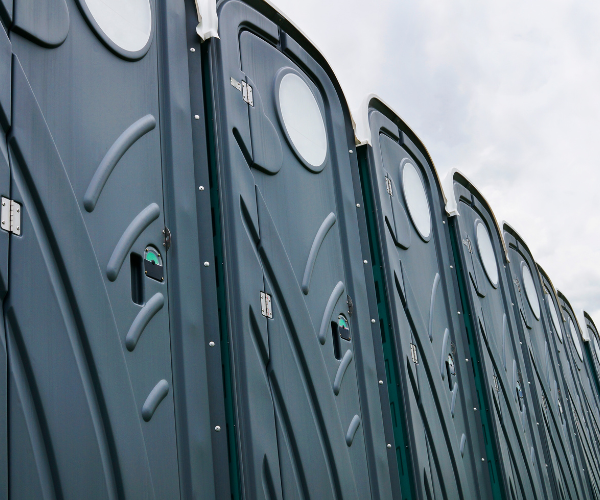
Portable Toilet Rentals in Pegram, Tennessee
Call today for a free quote (615) 912-8808
Portable Toilet
Fast, Easy, & 100% Free To Get Started
Over 40 Years of Experience
For over 40 years, FusionSite has been a cornerstone in Pegram, delivering unwavering quality and service. Our strong community reputation stems from reliability and professionalism, with customer satisfaction as our paramount priority.
Quality Service Delivery
At FusionSite, we deliver exceptional service for every portable toilet rental. Our dedicated team guarantees clean, reliable units that meet the highest standards, ensuring a seamless experience from start to finish.
Fast and Reliable Delivery
FusionSite guarantees fast and reliable delivery for all portable toilet rentals. Our well-coordinated logistics ensure your sanitation needs are promptly met, providing convenience and peace of mind.
Reliable Portable Toilet Solutions in Pegram
Call for a Free Quote Today
(615) 912-8808
FusionSite Nashville serves as your dependable choice for portable toilet services in Pegram, Tennessee, and nearby locations. Recognized for our reliable solutions, we proudly support the local community with a commitment to excellence. As a locally owned business, we provide pristine, well-maintained portable toilets suitable for a range of events, such as construction sites, parties, festivals, and weddings. Our dedicated team guarantees prompt delivery and smooth service, establishing us as the preferred provider for sanitation needs in the area.
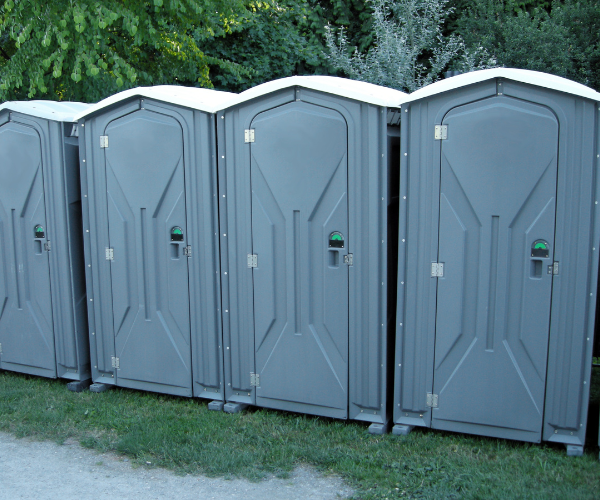
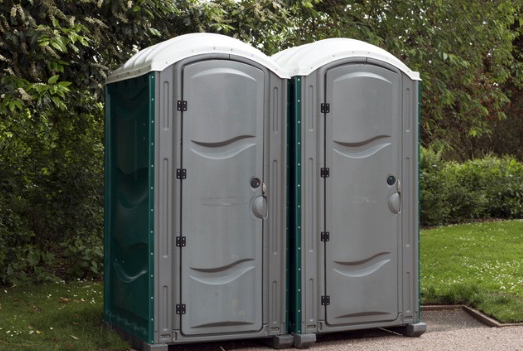
Standard Portable Toilet
Our standard porta john rental units are durable and reliable for any commercial build site, housing development, public works project, or remodel job.
Features include dome lighting, grated floors, and an “In-Use” locking mechanism for privacy and comfort.
Regularly maintained, inspected, and cleaned by FusionSite at your location.
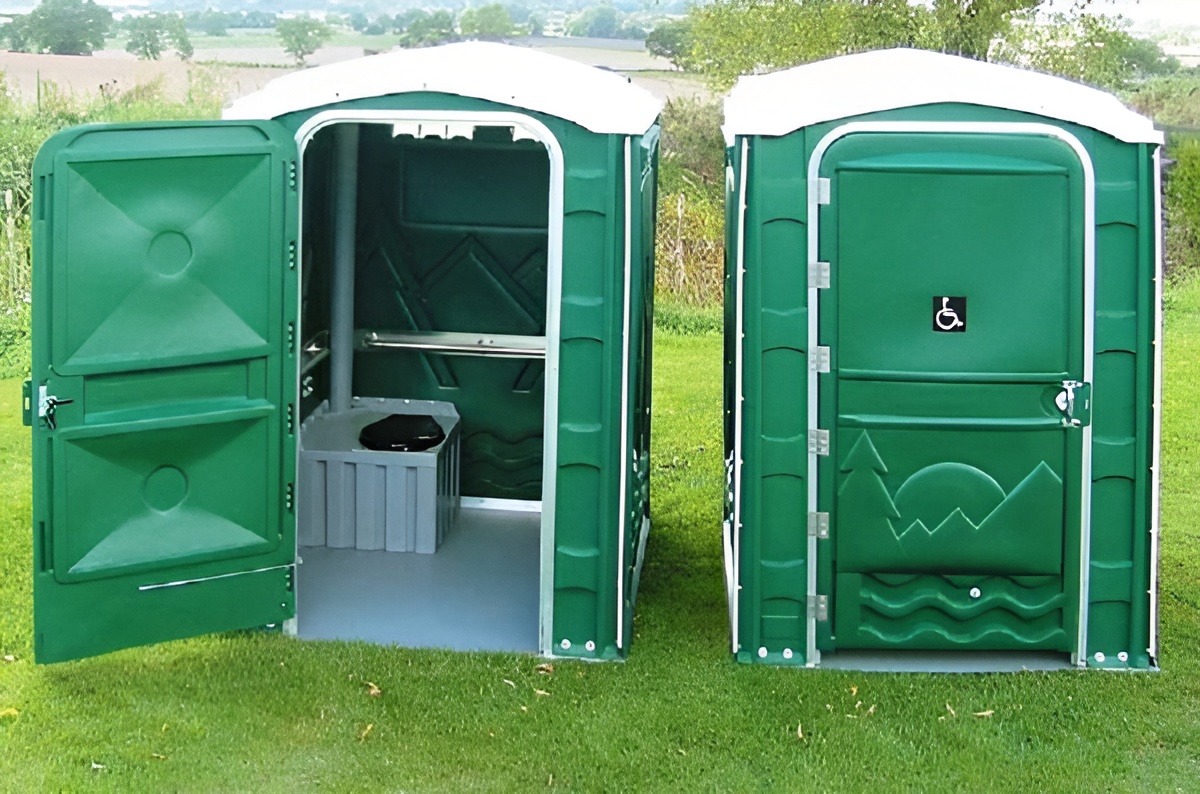
Wheelchair Accessible Restrooms
Developed as an alternative to full ADA-compliant restrooms, the Liberty is a spacious, wheelchair-accessible unit that can also be promoted as a family-sized restroom.
Includes a patented flat-floor system for easy wheelchair access and maneuverability.
Handrails, paper holder, and rotary latch are designed for simple, intuitive end-user operation.
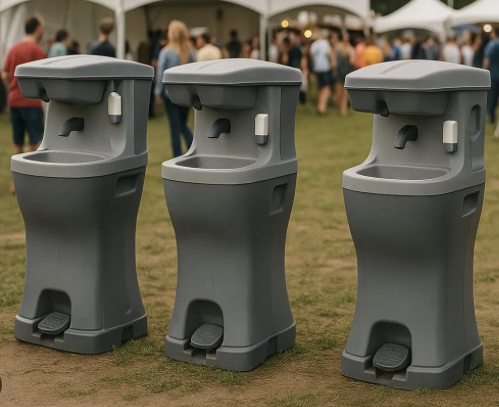
Portable Sink
Portable hand washing stations are essential for keeping your work site sanitary and clean.
Features hands-free foot pumps, liquid soap, and paper towels.
Perfect for job sites without water hookups, these units can handle hundreds of washes between services.
We Proudly Serve
Standard Portable Toilets
Our Standard Portable Toilets in Nashville offer essential sanitation services for construction sites, festivals, and more.
High Rise Portable Toilets
FusionSite Nashville provides High Rise Portable Toilets in Pegram, ensuring accessibility even in the most challenging environments.
Restroom Trailers
Restroom Trailers at Pegram from FusionSite Nashville offer luxury and convenience for any large event.
Roll off Dumpsters
Our Roll-off Dumpsters in Pegram keep work sites tidy, a critical element of FusionSite Nashville's comprehensive services.
Septic Tank Cleaning
FusionSite Nashville offers expert Septic Tank Cleaning services across the state to ensure sanitary conditions.
Grease Trap Cleaning
Partnering with businesses in Pegram, FusionSite Nashville provides Grease Trap Cleaning services for smooth operations.
Fencing & Barricades
FusionSite Nashville equips Tennessee with reliable Fencing & Barricades services to secure any location.
Residential Storage
FusionSite Nashville guarantees secure Residential Storage solutions for its Pegram clients.
Pegram Portable Sanitation Solutions
FusionSite Nashville makes it incredibly easy to obtain a quote for portable toilet services. Our user-friendly online forms, located prominently at the top and bottom of our webpage, allow potential customers to quickly input essential contact information including first name, last name, phone number, and email address. Simply clicking the 'Get A Quote' button found throughout our site initiates this streamlined process. From there, our skilled team swiftly provides detailed cost estimates tailored to your specific needs, ensuring transparency and competitive pricing.
With FusionSite Nashville, arranging delivery is just as straightforward. Our logistics experts coordinate with you to determine the most convenient delivery time, taking into account both your schedule and the requirements of your venue. We pride ourselves on punctuality and efficiency, delivering on time, every time, whether it's for a single unit or a larger fleet for extensive events. This commitment to service excellence ensures our customers enjoy a hassle-free experience from start to finish.
Our experienced staff is always eager to assist, offering guidance on the most suitable solutions for your event type, be it a casual gathering, a formal wedding, or a major construction project. By choosing FusionSite, you can rest assured that our portable toilets will arrive clean, fully equipped, and ready to accommodate your guests comfortably. Start the process today and discover why FusionSite Nashville is the trusted choice for portable toilet rentals in the Pegram area.

Pegram's local charm and tight-knit community make it an ideal setting for outdoor events and gatherings. Just a stone's throw from the vibrant Pegram Park and the annual Pegram Independence Day Celebration, FusionSite Nashville is delighted to offer portable toilet services that harmonize with the town's beautiful natural surroundings. Our dedication to delivering clean and dependable sanitation solutions enhances any occasion, whether it's a picturesque outdoor wedding, the lively festivities of the July Fourth celebration, or a family reunion by the Harpeth River. Choosing our services ensures that your guests will enjoy easy access to state-of-the-art facilities, meticulously maintained for hygiene and comfort. Our units are perfect for nature-infused festivities or intimate gatherings, ensuring that modern conveniences enrich the local experience without compromising Pegram's distinct appeal. FusionSite Nashville is committed to serving the Pegram community with excellence and care, solidifying our standing as the preferred provider for portable toilet rentals. By prioritizing customer satisfaction and operational reliability, we continue to build strong local connections and cultivate trust and confidence among our esteemed clients.
Choosing FusionSite Nashville means relying on a proven leader in event logistics based in Pegram, Tennessee. We take pride in our reputation for providing pristine and user-friendly Portable Toilet solutions tailored to various occasions. From tranquil weddings to lively community fairs and bustling festivals, we ensure that each event runs seamlessly. Our deep-rooted connection with the community enhances the role our amenities play in Pegram's vibrant social fabric.
FusionSite stands for reliability, offering customized solutions that not only suit Pegram’s charm but also meet the specific needs of local events. We are committed to delivering prompt, efficient service, consistently prioritizing cleanliness and customer satisfaction. Trust us for your next event to discover why Pegram residents consistently prefer our exceptional services.
At FusionSite Nashville, we prioritize reliability as the core of our service ethos, highlighting our commitment to customer satisfaction. We stand out for our swift delivery in Pegram, efficiently managing logistics for its varied events—from vibrant music festivals to calm, intimate gatherings. Each unit reaches your venue promptly, fully equipped and ready for immediate use, letting you concentrate on creating a successful event.
Our commitment goes beyond delivery to include expert guidance on selecting the ideal portable toilet solutions for your needs. FusionSite consistently enhances its offerings, providing access to the latest, most efficient units that surpass expectations in hygiene and convenience. Trust us for timely, reliable portable toilet services that meet your specific needs.
Explore Our Portable Toilets in Pegram
Renting a portable toilet in Pegram is a straightforward process with FusionSite Nashville, and we've designed a system aimed at convenience and efficiency. Start by visiting our website where you'll notice 'Get A Quote' buttons strategically placed across each page for easy access. Clicking this will initiate the online inquiry form, which is essential for tailoring our services to your specific needs. You will be prompted to enter basic details including your first and last name, phone number, and email address.
This information allows our team to follow up with a detailed quote and further details about availability and delivery options suited to your project timeline or event schedule. Our knowledgeable staff are experienced in providing personalized recommendations to ensure you receive the best product fit. By directly clicking those quote buttons, you connect instantly with a dedicated service representative who guides you through every step.
Additionally, you can find our contact forms at both the top and bottom of our pages, reinforcing how committed we are to simplifying your rental process. Whether it's a grand wedding, festival, or construction project, FusionSite is equipped to fulfill all sanitation requirements with rapid response and comprehensive solutions. After you send in your quote request, expect a speedy reply as we aim to address all queries within normal business hours, ensuring prompt service and satisfaction for our valued Pegram clients.
At FusionSite Nashville, we pride ourselves on efficient and timely delivery of portable toilet units to Pegram and surrounding areas. Typically, we can accommodate same-day delivery for orders placed early in the morning, ensuring you get the sanitation equipment you need without delay. For standard orders, we strive to deliver within 24 to 48 hours, depending on the complexity of the order and availability of units. Large-scale events or unique requirements might require a bit more planning, so we recommend reaching out well in advance to coordinate logistics.
Our fleet of delivery vehicles is strategically managed to optimize route planning and reduce transit times, ensuring that our clients never miss a timeline. Our customer service team will work closely with you to determine the most convenient delivery window, keeping frequent updates until your order arrives safely on site. This proactive approach alleviates any concerns over timing and allows you to focus on other critical event preparations.
For areas within Pegram, our central location in Nashville enables us to respond rapidly to both routine and emergency requests. Every portable toilet unit is meticulously cleaned, thoroughly inspected, and securely fastened for transit to maintain pristine condition upon arrival. Regardless of the weather or traffic conditions, we ensure the most reliable delivery service in the industry. Our robust logistics infrastructure, combined with unparalleled customer support, makes FusionSite Nashville an exemplary choice for all portable sanitation needs.
If you have any questions or require adjustments to the delivery schedule, our team is readily available to assist, offering adaptable solutions to ensure your event is well-equipped with top-notch sanitation facilities exactly when needed.
Absolutely, at FusionSite Nashville, we have the capability to service any type of event or construction project. Whether it's a large festival, a bustling sporting event, a picturesque wedding, or a corporate conference, our comprehensive range of portable sanitation solutions is designed to meet diverse needs. We take pride in offering a versatile selection of luxury restroom trailers, standard porta potties, roll-off dumpsters, and much more.
Our fleet includes units suitable for every occasion, including ADA-compliant portable toilets, portable sinks, and sanitizing stations, ensuring accessible and hygiene-focused solutions for all. Our experienced team understands the unique logistical challenges of different venues and tailors our services to enhance guest experience and maintain a clean, comfortable environment throughout.
Corporate events and family reunions are catered to with the same level of dedication and attention to detail as grand festivals, highlighting our commitment to quality and reliability in every service we deliver. Our fencing and barricade systems offer added security and crowd control options essential for larger gatherings, complementing our sanitation efforts in promoting safety and order.
In Pegram and beyond, FusionSite Nashville stands ready to supply the necessary infrastructure, reinforced by our well-established reputation and extensive experience. Our comprehensive service packages are customizable, allowing for efficient and cost-effective event planning that meets all sanitation requirements effortlessly. Entrust us with your sanitation needs, and experience seamless service coordination bolstered by our depth of expertise.