Eco-friendly advantages of portable toilets include reducing water usage and promoting sustainability. Compared to conventional restrooms, portable toilets utilize much less water, as the use of flush mechanisms or plumbing is minimized. This conservation effort significantly lowers the impact on local water resources, which is essential for maintaining ecological balance.
Modern portable toilets are equipped with efficient waste treatment systems, ensuring safe and sanitary disposal. These systems treat waste on-site, reducing the need for transportation and disposal in traditional sewage systems. The treated waste can often be utilized in environmentally friendly applications, furthering the cycle of ecological protection.
Additionally, portable toilets are produced with sustainable materials designed to last, minimizing their overall environmental footprint. The manufacturing process focuses on using recycled materials where possible, contributing to a reduction in resource consumption. Many units are completely recyclable at the end of their lifecycle.
The deployment of portable toilets at events or construction sites helps control the dispersion of waste, reducing potential environmental contamination. By centralizing sanitation facilities, the surrounding area remains intact and undisturbed, protecting local fauna and flora from degradation associated with human activities.
Through these efforts, portable toilets play a vital role in sustainable site management, providing necessary hygiene facilities with minimal environmental disruption. Choosing portable toilets is a step towards preserving ecosystems while meeting the transactional needs of human gatherings or projects.

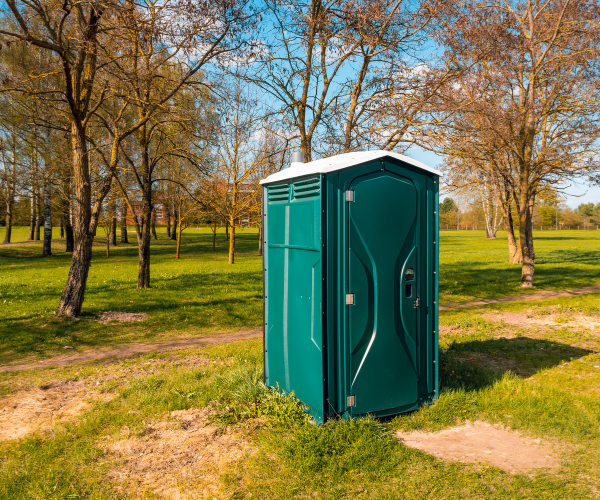
Portable Toilet Rentals in Houston County, Tennessee
Call today for a free quote (615) 912-8808
Portable Toilet
Fast, Easy, & 100% Free To Get Started
40+ Years Of Experience
For over 40 years, our company has forged strong community connections in Houston County, affirming our dedication to quality. We take pride in delivering customer satisfaction through dependable portable sanitation solutions designed to meet local demands.
Trusted Quality Service
Our dedication to quality service sets us apart, with every portable toilet meticulously sanitized and maintained. We ensure your events are supported with the cleanest and most reliable solutions available.
Prompt, Efficient Delivery
We swiftly deliver portable toilets, coordinating each step to meet your schedule. Our efficient processes ensure your orders are completed with both speed and attention to detail.
Convenient Portable Toilet Solutions in Houston County
Call for a Free Quote Today
(615) 912-8808
Welcome to your trusted partner for portable sanitation in Houston County! Our locally owned and operated company delivers dependable solutions for all your portable toilet needs. Whether it's a construction site, private party, festival, or wedding, we serve a variety of events across Houston County and nearby areas. With our commitment to exceptional service and meticulous hygiene and maintenance, we ensure a consistently high-quality experience for every occasion.
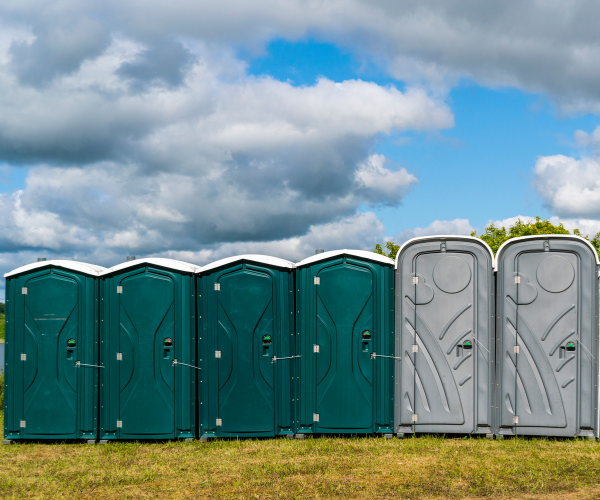
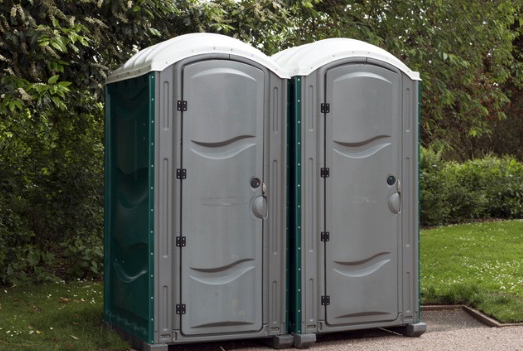
Standard Portable Toilet
Our standard porta john rental units are durable and reliable for any commercial build site, housing development, public works project, or remodel job.
Features include dome lighting, grated floors, and an “In-Use” locking mechanism for privacy and comfort.
Regularly maintained, inspected, and cleaned by FusionSite at your location.
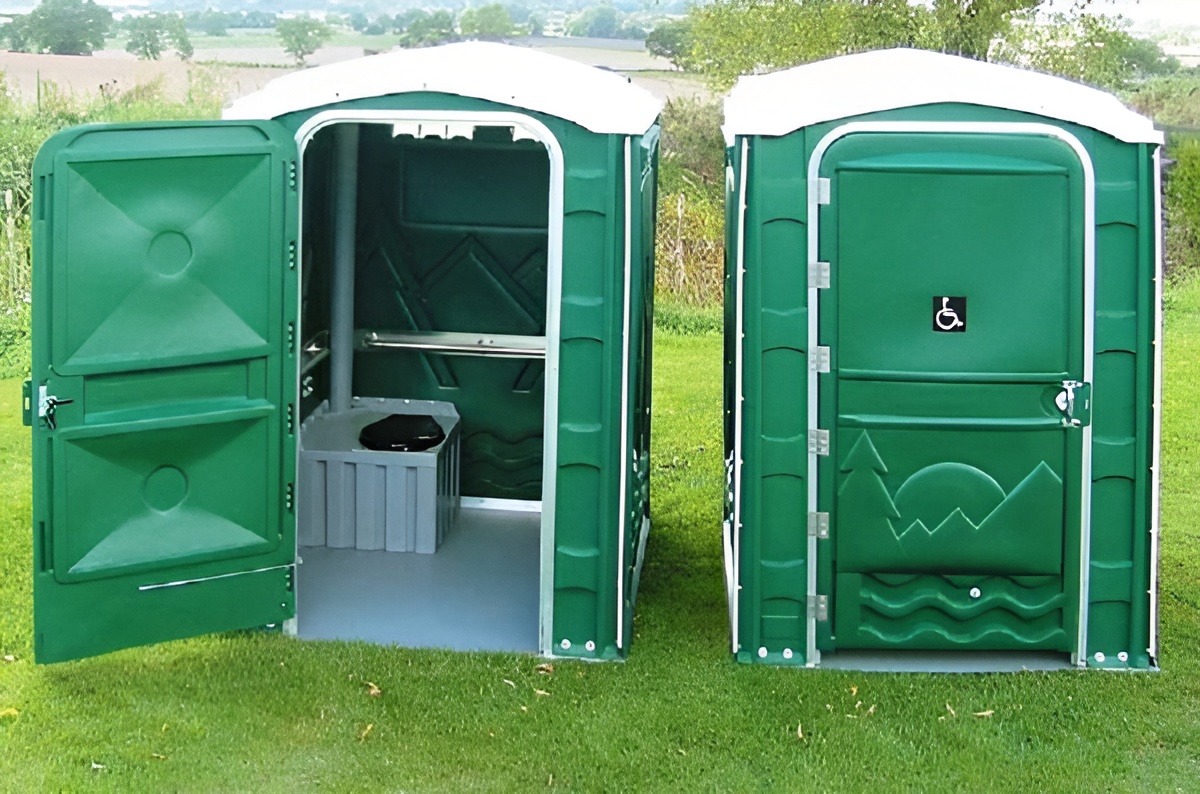
Wheelchair Accessible Restrooms
Developed as an alternative to full ADA-compliant restrooms, the Liberty is a spacious, wheelchair-accessible unit that can also be promoted as a family-sized restroom.
Includes a patented flat-floor system for easy wheelchair access and maneuverability.
Handrails, paper holder, and rotary latch are designed for simple, intuitive end-user operation.
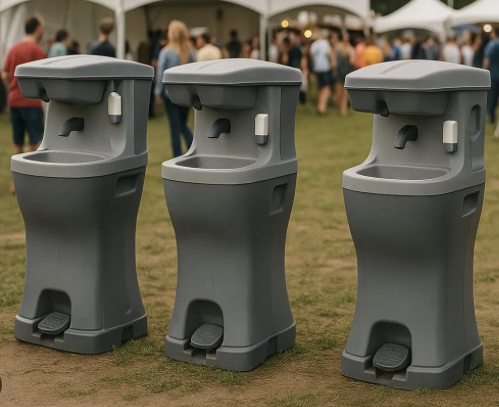
Portable Sink
Portable hand washing stations are essential for keeping your work site sanitary and clean.
Features hands-free foot pumps, liquid soap, and paper towels.
Perfect for job sites without water hookups, these units can handle hundreds of washes between services.
We Proudly Serve
Standard Portable Toilets
Our Standard Portable Toilets provide reliable and sanitized solutions for any event in Houston County, Tennessee.
High Rise Portable Toilets
High Rise Portable Toilets offer secure and convenient bathroom solutions for construction sites in Houston County.
Restroom Trailers
Explore our luxurious restroom trailers, ideal for upscale events in Houston County, with FusionSite Nashville.
Roll off Dumpsters
Our roll-off dumpsters keep construction sites clean and clutter-free in Houston County, provided by FusionSite Nashville.
Septic Tank Cleaning
FusionSite Nashville offers expert septic tank cleaning services, keeping systems functioning efficiently throughout Tennessee.
Grease Trap Cleaning
Efficient grease trap cleaning services in Houston County, Tennessee, ensure smooth and safe operation of kitchen systems.
Fencing & Barricades
FusionSite Nashville provides top-tier fencing and barricade solutions for secure event and site management across Tennessee.
Residential Storage
Secure residential storage options available in Houston County, offering convenience and peace of mind.
Houston County Portable Sanitation Solutions
Discover how effortless it is to obtain a quote and schedule delivery for portable toilets in Houston County. Our user-friendly website provides multiple options to request a quote, whether you choose to fill out our forms located conveniently at the top and bottom of our pages or click on the 'Get A Quote' buttons placed throughout. Enter your basic details—first name, last name, phone number, and email—and our responsive team will provide you with a speedy estimate tailored to your specific requirements.
We pride ourselves on our streamlined process that guarantees swift communication and transparent pricing. Our local presence means we're well-equipped to understand and fulfill the unique needs of Houston County residents and businesses. This localized expertise ensures competitive pricing without compromising quality or service.
Once you've received your quote, arranging delivery is a breeze. With a robust logistics network, we promise timely delivery regardless of location or event type. Whether it's a construction site demanding high volumes or a single unit for a family gathering, our fleet is prepared to accommodate all requests quickly and efficiently.
Understanding the demands of time-sensitive events or projects, we prioritize flexibility in scheduling and delivery. Our goal is to ensure that no client is left waiting, with all portable toilets delivered and set up well before they're needed. This efficient service model is part of our commitment to providing a reliable experience to every customer in Houston County.
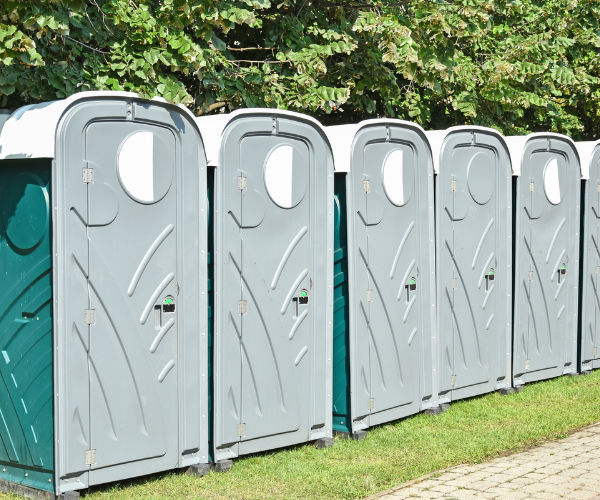
Houston County is a vibrant community, enriched with local charm and outdoor attractions that draw numerous events throughout the year. Our portable toilets are an ideal match for community gatherings, offering clean and convenient solutions that ensure guests' comfort. We are proud to support local events, contributing to the area's lively spirit with reliable sanitation services. Whether it's the engaging festivities of the Houston County Fair or community events at the historic Courthouse Square, our portable toilet services cater to festivals, fairs, and concerts, greatly enhancing the experience for all attendees. Our units are designed to blend into any outdoor setting, providing a seamless addition that enhances overall attendee satisfaction. As Houston County's top choice for portable sanitation, our customer service is unmatched, delivering on our promise of quality and dependability. For excursions and nature tours near Houston County's abundant natural landscapes, portable toilets are a necessity, ensuring comfort without compromising scenic beauty. From basic units to luxury options, every portable toilet is equipped to offer a premium experience that is second to none.
Our established presence in Houston County reflects our deep ties to the community, affirming us as the best choice for portable toilets. Our dedication to maintaining high standards aligns with local expectations for quality and service. We prioritize customer satisfaction above all, ensuring each portable toilet rental is both practical and affordable.
Our extensive experience in the portable sanitation industry is complemented by our ongoing commitment to enhancing service capabilities, especially in supporting local events. Our adaptable solutions remain highly customizable, allowing us to address specific requirements with precision. From intimate gatherings to large public events, our portable toilets consistently perform at the highest standards.
We continuously innovate with new technologies, integrating features that maximize hygienic maintenance and usability. This advanced approach guarantees we remain at the forefront of the portable sanitation market, solidifying our reputation as Houston County's preferred provider.
Providing fast, reliable portable toilet services is our forte, ensuring that every client receives top-quality support on time, every time. Our logistics operations are streamlined for efficiency, capable of handling deliveries across Houston County and surrounding areas briskly and effectively.
Our strategic network enables us to cater to urgent demands, particularly for events and worksites where time is of the essence. Once an order is placed, our team swiftly prepares the units for dispatch, following meticulous processes that guarantee cleanliness and readiness upon arrival.
Reliability is central to our operations, where every detail—from delivery scheduling to installation—is managed with precision. We understand that predictable service quality is crucial, and we go above and beyond to ensure that each of our portable toilets is perfectly positioned and functional, meeting all the sanitation needs of our Houston County customers.
Discover Our Portable Toilets in Houston County
Renting a portable toilet in Houston County with us is straightforward and customer-friendly. Start by navigating to our website, where you will find forms located conveniently at the top and bottom of each page, designed for quick completion. Simply fill in your first name, last name, phone number, and email address to get started.
In addition to forms, we have strategically placed 'Get A Quote' buttons throughout the site to facilitate easy access to quotes. This ensures you have multiple pathways to initiating your rental process with minimal effort.
Our responsive customer service team will then review your request and provide you with a competitive quote tailored to your exact requirements. We pride ourselves on offering transparent pricing, allowing you to understand all the details involved in your rental.
Once you've agreed to a quote, we'll coordinate the delivery and installation of the portable toilets, ensuring swift and efficient service. Our seasoned logistics team is skilled in handling all aspects of the setup so you can focus on your event or project with peace of mind.
For any questions or further personalization of your rental service, our team is readily available to assist. Through seamless communication and dedicated service, we ensure a positive experience from start to finish, whether you're hosting a small gathering or a large-scale public event.
The delivery timeframe for portable toilet orders generally hinges on our robust logistics system, geared for efficiency and reliability. We take great pride in executing prompt deliveries within Houston County, tailored to meet the needs of clients efficiently. When you place an order, our team swings into action by preparing your units meticulously, ensuring they're thoroughly sanitized and in flawless condition. We deploy a fleet of transport vehicles designed to manage diverse delivery requirements, be it for singular or bulk orders. Depending on your event schedule or project demands, we accommodate specific timelines to guarantee that your portable toilets are delivered well in advance of when they're needed. Moreover, our experienced team is adept at navigating local terrains, ensuring seamless and on-time setup even in challenging locations. We prioritize communication, keeping you informed at every stage of the process. From confirmation of your order through to the point of delivery, our team remains in close contact. This ensures you experience uninterrupted service and can focus entirely on your event or project. Ultimately, our delivery timeframe is a testament to our commitment to customer satisfaction, pledge to timeliness, and ability to adapt to client-centered timelines without compromising on quality.
Yes, we can service any type of event or construction site. We proudly offer comprehensive solutions for events such as festivals, sporting events, and provide elegant services for weddings, corporate events, family reunions, and more. Our extensive inventory includes luxury restroom trailers, standard porta potties, roll-off dumpsters, fencing and barricades, holding tanks, ADA-compliant units, portable sinks, and hand sanitizer stations, ensuring we meet all your needs.
Our services are highly versatile, capable of adapting to the unique requirements of each occasion, whether it's an intimate gathering or a large-scale public event. This flexibility extends to construction sites, where we supply robust units that meet the rigorous demands of workers while maintaining top-tier sanitation standards.
Our team is experienced in coordinating and servicing multiple types of venues and settings, ensuring efficient setup and maintenance throughout the duration of your event or project. We understand the importance of reliable service and clean facilities, and dedicate ourselves to delivering excellence in every aspect.
Through our commitment to quality and customer satisfaction, we guarantee a seamless experience, making us the go-to provider for portable sanitation solutions in Houston County. This assurance is backed by our dedication to providing top-notch services that enhance the experience of every guest or worker.