Utilizing portable toilets offers significant eco-friendly advantages that contribute positively to environmental sustainability. These units are engineered to minimize water usage, which is a pressing concern in environmental conservation efforts. Traditional toilets can consume gallons of water per flush, while portable toilets use either no water or a limited quantity for flushing when needed.
Waste management is another area where portable toilets excel environmentally. The waste collected in these units is typically transported to waste treatment facilities designed to process and treat it accordingly, significantly reducing the risk of environmental contamination involved when improper waste disposal practices are applied. By employing portable sanitation units, events and worksites can also avoid the ecological strain of permanent plumbing installations, which demand extensive water supply networks and can cause habitat disruption during construction.
Furthermore, today's portable toilets are crafted from sustainable, recycled materials that reduce the carbon footprint associated with manufacturing. Many companies have adopted eco-friendly designs that allow units to be energy efficient, with solar-powered features gaining popularity for providing necessary lighting and ventilation.
Most importantly, using portable toilets help preserve natural landscapes, especially in outdoor settings, by designating proper facilities for human waste management. This reduces the ecological impact on nature and prevents the potentially damaging effects of human waste exposure, such as soil toxicity and water pollution.
Thus, choosing portable toilets promotes environmentally responsible practices, helping events, construction sites, and festivals to establish sustainable profiles that consider long-term ecological benefits.

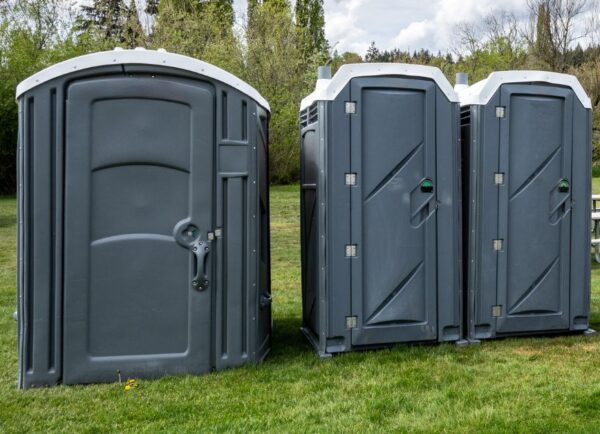
Portable Toilet Rentals in Gordonsville, Tennessee
Call today for a free quote (615) 912-8808
Portable Toilet
Fast, Easy, & 100% Free To Get Started
Over 40 Years of Experience
For more than 40 years, our portable toilet company has served Gordonsville, deeply embedding itself in the community. We offer unmatched commitment to quality and customer satisfaction, consistently delivering top-notch sanitation solutions with a personal touch.
Quality Sanitation Service
We deliver top-tier quality service by offering state-of-the-art portable toilets that are meticulously cleaned and maintained. Our clients can expect nothing but the best in performance and cleanliness, ensuring a reliable experience every time.
Prompt Delivery Services
Our team guarantees swift and efficient delivery of all portable toilets, ensuring they arrive onsite and ready precisely when needed. We prioritize timeliness and professionalism, consistently meeting our clients' deadlines.
Portable Toilet Solutions in Gordonsville
Call for a Free Quote Today
(615) 912-8808
Our portable toilet company in Gordonsville, Tennessee, offers dependable and reliable portable sanitation solutions. As a locally-owned business, we pride ourselves on providing professional service and customized rental options to fit the needs of any event or construction project. Serving Gordonsville and its surrounding areas, we cater to weddings, parties, festivals, and construction sites with an extensive inventory of clean, durable units. Our team ensures timely delivery and regular maintenance, guaranteeing customer satisfaction. Trust our reputable service to provide hassle-free sanitation solutions with features that meet specific event requirements. Whether for small family gatherings or large public festivals, our commitment is to quality service and community-oriented reliability. Choose us for your next event and experience our unparalleled dedication to satisfaction.
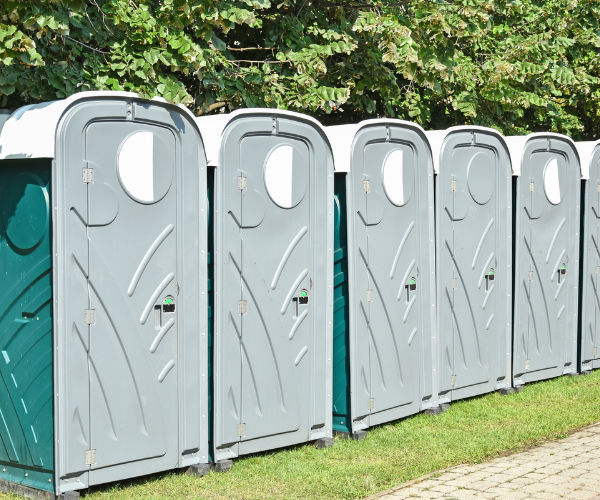
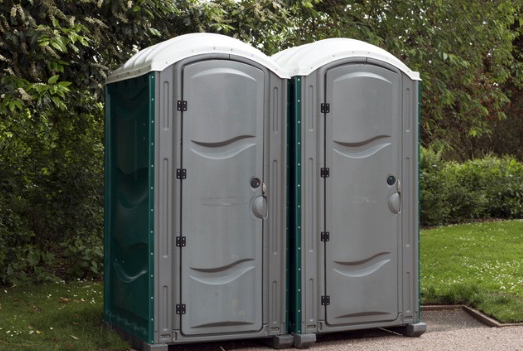
Standard Portable Toilet
Our standard porta john rental units are durable and reliable for any commercial build site, housing development, public works project, or remodel job.
Features include dome lighting, grated floors, and an “In-Use” locking mechanism for privacy and comfort.
Regularly maintained, inspected, and cleaned by FusionSite at your location.
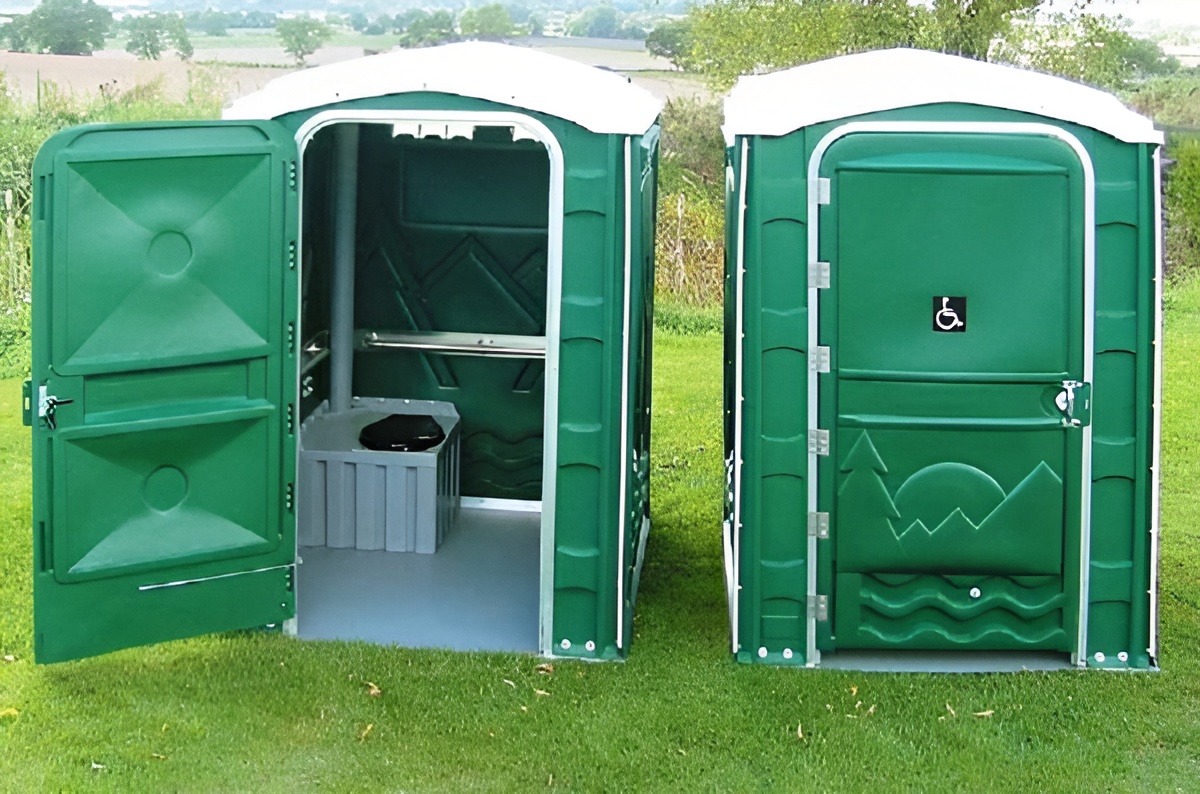
Wheelchair Accessible Restrooms
Developed as an alternative to full ADA-compliant restrooms, the Liberty is a spacious, wheelchair-accessible unit that can also be promoted as a family-sized restroom.
Includes a patented flat-floor system for easy wheelchair access and maneuverability.
Handrails, paper holder, and rotary latch are designed for simple, intuitive end-user operation.
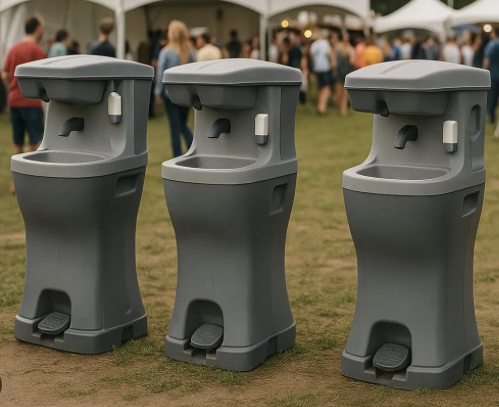
Portable Sink
Portable hand washing stations are essential for keeping your work site sanitary and clean.
Features hands-free foot pumps, liquid soap, and paper towels.
Perfect for job sites without water hookups, these units can handle hundreds of washes between services.
We Proudly Serve
Standard Portable Toilets
Standard Portable Toilets by FusionSite Nashville offer reliable, everyday sanitation for all events and sites across Tennessee.
High Rise Portable Toilets
High Rise Portable Toilets in Gordonsville provide convenient, elevated solutions for construction and event needs.
Restroom Trailers
Restroom Trailers by FusionSite Nashville blend luxury and practicality for any event in Gordonsville.
Roll off Dumpsters
Roll off Dumpsters from FusionSite Nashville ensure efficient waste management throughout Gordonsville.
Septic Tank Cleaning
Ensure system integrity with expert Septic Tank Cleaning from FusionSite Nashville, Tennessee.
Grease Trap Cleaning
Grease Trap Cleaning in Gordonsville, Tennessee, provided by FusionSite Nashville, maintains efficient operations.
Fencing & Barricades
Durable Fencing & Barricades by FusionSite Nashville enhance safety for projects throughout Tennessee.
Residential Storage
Secure and versatile Residential Storage solutions available in Gordonsville by FusionSite Nashville.
Gordonsville Portable Toilet Rentals
Obtaining a quote and scheduling delivery for a portable toilet has never been easier, offering both convenience and efficiency. Our streamlined process ensures that from the initial inquiry to delivery, every step is handled with precision. We provide easy access to quotes through our website, where potential clients can fill out a short form to receive a rapid response. Completing the form with basic details like contact information swiftly connects you to our seasoned professionals. Once your order is confirmed, our expert logistics team takes over, coordinating a timely delivery that meets your schedule. We pride ourselves on flexibility, allowing clients to select delivery dates that align with their specific needs, whether for a large construction site or an intimate backyard gathering. Therefore, securing a portable toilet from us guarantees not just quality sanitation units, but also a seamless client experience. Our dedication to customer service ensures that each delivery is punctual, allowing your event or project to proceed without a hitch.
Embrace the charm of Gordonsville with our top-notch portable toilet services, perfectly designed to complement the area's natural beauty and vibrant events such as the annual Smith County Fair. As a hub for outdoor adventures and local festivities, Gordonsville requires reliable and clean sanitation options. Our portable toilet services enhance any event or gathering, providing seamless sanitation solutions that elevate the guest experience. From the lush landscapes of Tennessee to community happenings at the historic Depot Square, our units offer convenience without sacrificing quality. Whether planning a wedding nestled in nature or preparing for a festival in the town square, our services ensure every setting remains pristine and guest-friendly. Discover why our portable sanitation is the preferred choice in Gordonsville. Opt for unparalleled comfort and reliability with our portable toilets, featuring premium designs for every occasion. Trust our commitment to delivering the finest sanitation to make each event memorable.
Why We're the Best in Gordonsville
Our portable toilet services are renowned for reliability and quality—attributes that distinguish us in Gordonsville. Locally operated, we are intimately familiar with the unique landscape and community spirit, ensuring every sanitation solution is tailored for any occasion.
Our mission embraces community engagement, delivering services that enhance local events, from quaint weddings to expansive festivals. Built on a foundation of trust and excellence, our portable toilets provide a level of cleanliness and convenience unmatched by others.
Choose us and experience the dedication and expertise that make us Gordonsville's number one choice for portable sanitation. Quality assurance is embedded in our service commitment, reflecting why we remain unrivaled.
Fast, Reliable Portable Toilet Services
Our company delivers portable toilet services with unmatched speed and reliability, ensuring every client receives prompt attention and quality units. Our commitment means quick and efficient response times, vital for the success of your event or construction project.
We are equipped with modern logistics that streamline the delivery process, guaranteeing readiness of our sanitation solutions when you need them. Whether booking months in advance or arranging quick responses to urgent needs, our service scope is both dynamic and dependable.
Trust rests at the heart of our operations, mirrored in our unwavering punctuality and customer care standards. Rely on our expertise to provide high-quality portable toilets quickly and effectively, with each service customized to meet specific client requirements.
Learn More About Our Portable Toilet in Gordonsville
Renting a portable toilet in Gordonsville is a straightforward process designed to provide convenience and efficiency. To get started, head to our website where you'll find a 'Get A Quote' button prominently displayed across various pages—simply click on it to begin your rental inquiry. This button leads you to a concise form found at both the top and bottom of our webpages, where you'll be asked to fill out your first name, last name, phone number, and email address.
Once you've submitted your details, our dedicated team takes over to evaluate your requirements and promptly contact you with a competitive quote tailored to your needs. Whether planning a small private gathering or a large-scale public event, our comprehensive service options ensure that you'll find a solution perfectly aligned with your goals.
Our system is engineered to facilitate a seamless interaction, minimizing the hurdles typically associated with rental agreements and logistics. You'll find our customer service exceptional, providing you with easy access to follow-up consultations, should you have further questions or need to adjust your rental details.
From there, simply confirm the details of your rental agreement, and our expert logistics team will ensure timely delivery and setup on your selected date, efficiently coordinating with you to secure the perfect drop-off time and location. Streamlining the experience of renting a portable toilet in Gordonsville, our platform and team guarantee professional service coupled with the utmost convenience.
When placing an order for a portable toilet, clients often wonder about the typical delivery timeframes to better plan their events and projects. Generally, our portable toilet delivery times are among the fastest in the industry, with options tailored to meet the varying needs of our clients.
On average, once a rental agreement is confirmed, our efficient logistics team schedules the delivery to your preferred site and time slot. We can accommodate both standard delivery requests, typically fulfilled within 24 to 48 hours, and expedited services for situations requiring swifter response times.
Our commitment to rigorous logistical efficiency means that urgent needs, such as last-minute event planning or emergency site requirements, can also be catered to. In these instances, we offer special arrangements that prioritize immediate dispatch, subject to availability.
Our network capability ensures that even during peak periods, such as major festivals or construction surges, our stock levels and staffed routes remain responsive to client demands. We pride ourselves on reliability, consistently meeting our agreed delivery schedules to guarantee customer satisfaction.
To secure a precise delivery window, early communication is advised. This allows us to formulate the best logistic approach suited to your unique specifications. Rest assured, our team is well-versed and highly equipped to handle all aspects of delivery with professionalism and a focus on accommodating the client's timeline effectively.
Yes, we are fully equipped to service all types of events and construction needs with our diverse range of portable sanitation solutions. Whether you're organizing a bustling festival, a community sporting event, a grand wedding, or a corporate meeting, our units are designed to meet every expectation.
Our extensive product lineup includes not only standard porta potties but also ADA units for accessibility, hand sanitizing stations, and portable sinks, adapting to any venue requirement. For occasions demanding elegance and comfort, our luxury restroom trailers offer a more refined experience, complete with premium features.
On construction sites, our robust unit construction ensures they withstand harsher environments while maintaining the sanitary needs of workers effectively. We also provide roll-off dumpsters for comprehensive waste management solutions, further accommodating site cleanliness.
To enhance security and order, we supply fencing and barricade services, visibly marking out necessary boundaries and ensuring your site remains organized. Holding tanks and additional sanitation infrastructure are available for projects needing extended services.
Strategically planned and executed, our deliveries and setups are positions to ensure convenience and effectiveness, aligning with customer schedules and site requirements. Simply put, if you need it, we can provide it with quality and excellence front and center.