Portable Toilets are an environmentally conscious choice that significantly reduces water usage compared to traditional toilets. By utilizing minimal water or utilizing no water systems, these units contribute greatly to water conservation efforts, making them ideal for outdoor events and locations where natural resources may be limited or preserved by design. Moreover, they minimize environmental impact through efficient waste management systems that align with sustainable practices, contributing to reduced pollution and healthier ecosystems. Furthermore, modern Portable Toilets often incorporate biodegradable and non-toxic chemicals in their waste treatment processes, which efficiently break down waste and prevent harmful contaminants from entering the environment. This ensures that environmental disruptions are minimized, aligning with eco-friendly goals and promoting cleaner, safer outdoor experiences. Deploying portable restrooms also reduces the need for costly infrastructure development, such as plumbing and sewage systems, especially in remote or sensitive areas. This not only preserves local flora and fauna but also limits environmental disruption, supporting biodiversity conservation efforts. In addition, Portable Toilets are typically designed with recyclable and reusable materials, making them a sustainable option in terms of production and lifecycle management. Companies often invest in robust maintenance schedules that extend the lifespan of each unit, further contributing to eco-friendly goals by reducing waste. Overall, choosing Portable Toilets supports your commitment to environmental stewardship by conserving resources, reducing pollution, and facilitating sustainable event planning. The industry's continuous adaptation to newer, greener technologies means Portable Toilets can often meet or exceed current environmental standards, making them a sensible and responsible choice for any occasion.

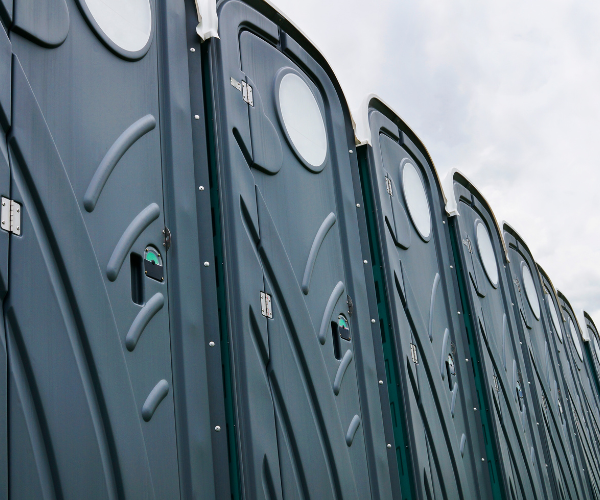
Portable Toilet Rentals in Dover, Tennessee
Call today for a free quote (615) 912-8808
Portable Toilet
Fast, Easy, & 100% Free To Get Started
40+ Years of Expertise
For over 40 years, we have consistently provided top-tier portable toilet services in Dover. Our deep community connections and unwavering commitment to quality guarantee customer satisfaction with every interaction.
Unmatched Quality Service
Our dedication to quality service guarantees clean, durable, and well-maintained portable toilets for any event. We pride ourselves on customer satisfaction and superior service standards.
Swift and Dependable Delivery
We ensure timely and efficient delivery of portable toilets across Dover and nearby areas. Our quick response and dependable logistics mean your event runs smoothly, without any sanitation concerns.
Reliable Portable Toilet Solutions in Dover, Tennessee
Call for a Free Quote Today
(615) 912-8808
Our Portable Toilet company in Dover is your go-to provider for high-quality sanitation solutions. Locally owned and operated, we pride ourselves on dependability and reliability, offering clean units for construction sites, parties, festivals, and weddings. We cater to Dover and its surrounding areas, providing seamless service that meets your specific needs. Safety and hygiene are our top priorities, ensuring all units are sanitized and well-maintained. With flexible rental options and prompt delivery, we focus on complete customer satisfaction. Choose us for unparalleled service that elevates your event experience.
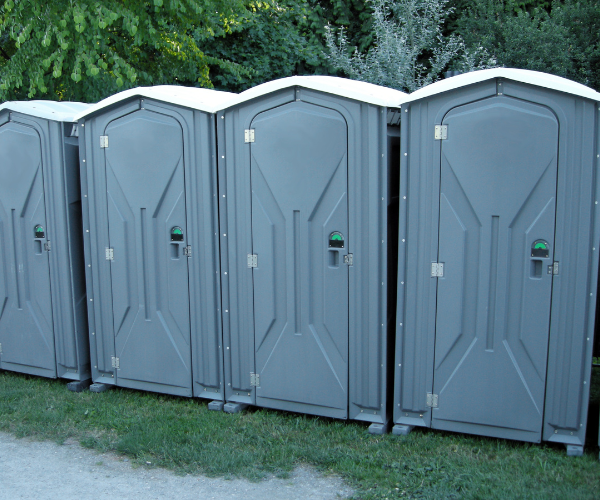
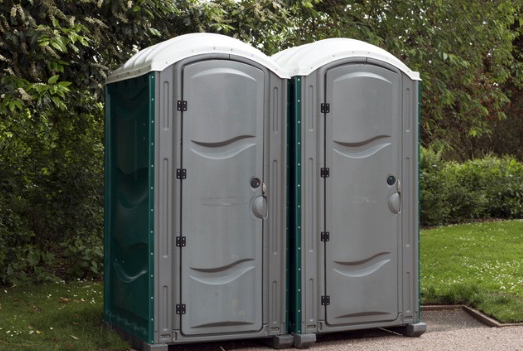
Standard Portable Toilet
Our standard porta john rental units are durable and reliable for any commercial build site, housing development, public works project, or remodel job.
Features include dome lighting, grated floors, and an “In-Use” locking mechanism for privacy and comfort.
Regularly maintained, inspected, and cleaned by FusionSite at your location.
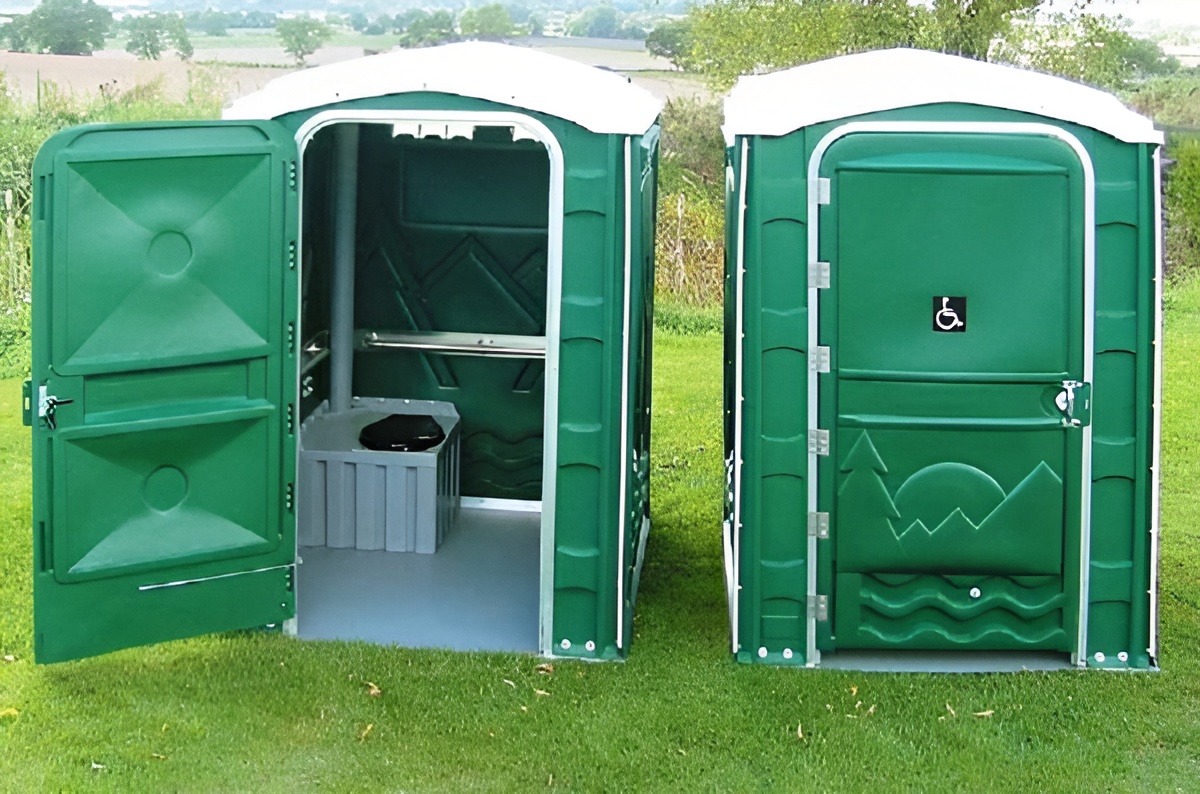
Wheelchair Accessible Restrooms
Developed as an alternative to full ADA-compliant restrooms, the Liberty is a spacious, wheelchair-accessible unit that can also be promoted as a family-sized restroom.
Includes a patented flat-floor system for easy wheelchair access and maneuverability.
Handrails, paper holder, and rotary latch are designed for simple, intuitive end-user operation.
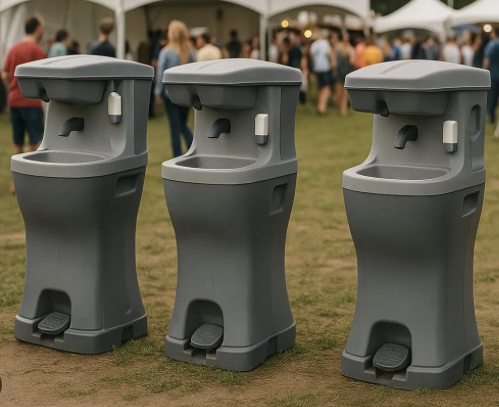
Portable Sink
Portable hand washing stations are essential for keeping your work site sanitary and clean.
Features hands-free foot pumps, liquid soap, and paper towels.
Perfect for job sites without water hookups, these units can handle hundreds of washes between services.
We Proudly Serve
Standard Portable Toilets
Standard Portable Toilets offer reliable, cost-effective solutions for any event in Nashville, Tennessee.
High Rise Portable Toilets
Our High Rise Portable Toilets ensure sanitary solutions for construction projects in Dover, Tennessee.
Restroom Trailers
Restroom Trailers in Dover offer luxury and comfort from FusionSite Nashville for all events.
Roll off Dumpsters
FusionSite Nashville provides durable Roll off Dumpsters for efficient waste disposal in Dover.
Septic Tank Cleaning
Septic Tank Cleaning services in Tennessee from FusionSite Nashville ensure top-tier maintenance.
Grease Trap Cleaning
Grease Trap Cleaning in Dover, Tennessee keeps systems running smoothly and efficiently.
Fencing & Barricades
Fencing & Barricades by FusionSite Nashville offer secure site solutions across Tennessee.
Residential Storage
Residential Storage solutions in Dover from FusionSite Nashville keep your items safe and accessible.
Dover Portable Toilet and Event Services
Securing a quote and scheduling delivery for a Portable Toilet is straightforward, making it convenient for customers in and around Dover. By filling out a simple online form or calling our team, you can quickly receive a personalized quote, tailored to your event's specific requirements. Our process is designed with customer ease in mind, ensuring that you have all the needed information at your fingertips. We provide accurate, transparent quotes with no hidden fees, and our team is readily available to answer any questions you might have about your rental. Whether it's a large festival or a small private event, our streamlined process efficiently caters to all scales, guaranteeing your sanitation needs are met with professionalism and promptness. With seamless delivery schedules, you can focus on planning your event while we manage the logistics of ensuring every guest has access to clean and reliable facilities.

Embrace the local charm of Dover with our top-of-the-line Portable Toilets, ideal for enhancing any outdoor event. Situated near the tranquil surroundings of Land Between the Lakes National Recreation Area, our company recognizes the unique appeal of this picturesque area. We offer solutions that seamlessly integrate with local events, from community festivals to serene nature gatherings. Enjoy the convenience of reliable sanitation services at major attractions like the Dover Hotel, also known as the Surrender House, known for its historical significance. Whether it's a family outing, a sporting event, or the lively Stewart County Fair, we provide clean, well-maintained facilities that cater to the community's needs. Rest assured our services elevate the guest experience, embodying the hospitality and warmth Dover is renowned for.
Our portable toilet service stands as the premier choice in Dover, thanks to our commitment to quality, innovation, and customer satisfaction. We provide an unparalleled level of service, focusing on customer needs and constantly enhancing our offerings to include the latest in sanitation solutions. With a team dedicated to exceeding expectations, we ensure every event is supported by the best facilities available.
Our strong community ties and responsive service have earned us the trust of numerous local clients. We pride ourselves on being part of the Dover community, actively participating in local events, and maintaining long-lasting relationships with our customers. Choosing us ensures that you benefit from a company that values your event's success as much as you do.
Fast and reliable service forms the backbone of our operations, making us the top choice for Portable Toilets in Dover. Our logistics team excels at delivering swiftly, even on short notice, ensuring your project or event stays on schedule. Equipped with an extensive fleet, we tailor solutions to your specific needs without sacrificing quality.
Reliability meets efficiency through our expertly managed scheduling system, guaranteeing your rental arrives precisely when needed. This commitment to punctuality and detail allows us to deliver seamless service, so you can concentrate on your event while we manage the logistics. Our strong track record for reliability assures you that guest sanitation needs are expertly handled.
Learn About Our Dover Portable Toilets
Renting a Portable Toilet in Dover has never been easier thanks to our convenient, user-friendly process. Simply navigate to the designated sections at the top and bottom of our web page, where you will find forms ready for completion. These forms request basic but essential details such as your first and last name, phone number, and email address to facilitate efficient communication and service. Upon successful completion, we send a tailored quote directly to your provided email, ensuring you have a clear understanding of pricing and service details. Additionally, for those who prefer not to engage in forms, our website offers prominently displayed 'Get A Quote' buttons throughout. By clicking these, you are promptly redirected to our consultation team who can provide immediate assistance, ensuring you get a comprehensive understanding of what our services entail and how they can be tailored to suit your event needs. Our team is also available over the phone, providing a personable touch to the rental process. At (615) 912-8808, our experienced representatives are ready to discuss your specific requirements, clear any doubts, and guide you through the entire rental process. We prioritize flexibility and clarity, making sure you feel supported from inquiry to delivery. With rental details finalized, our logistics team coordinates the timely delivery of Portable Toilets, accommodating your event schedule without any hassle. We pride ourselves on meticulous attention to detail and ensuring every unit arrives in pristine condition, ready for immediate use. Our comprehensive service doesn't end with delivery; we offer responsive support and follow-ups, ensuring any eventual challenges are quickly resolved, thus maintaining the highest standards of satisfaction and reliability.
Understanding the logistics of Portable Toilet delivery is crucial for planning successful events. Once the rental process is completed, our team works diligently to schedule delivery within the agreed timeframe. Typically, customers can expect their Portable Toilets to arrive 24 to 48 hours after the order is finalized, allowing ample preparation time before the event. However, we recommend contacting us ahead of peak seasons or large events to ensure availability and prevent delays. Our advanced inventory management system ensures that even during high demand periods, our extensive fleet remains ready to meet clients' needs effectively. From small gatherings to large festivals, we provide scalable solutions supporting diverse event types across Dover. Moreover, our delivery process benefits from a flexible scheduling system that adjusts to clients' specific needs and requirements, maintaining punctuality and efficiency. This ensures that your Portable Toilets are on-site, set up, and serviced in time, minimizing last-minute disruptions or inconveniences. Communication is key, and our team keeps clients informed at every stage of the delivery process. Real-time updates and confirmations allow you to track your order, ensuring peace of mind as preparations are underway. For urgent cases or last-minute changes, our responsive customer support is just a call away, ready to modify arrangements to accommodate unexpected needs or requests. Overall, our commitment to reliable service ensures that your Portable Toilets are delivered promptly, meeting both your standards and timeline without compromise. Trust us to be your partner in ensuring smooth, anxiety-free event execution, backed by years of expert service delivery in the portable sanitation industry.
Yes, we are fully equipped to provide services for a diverse range of events and all types of construction services. Our offerings include portable sanitation solutions suitable for large-scale festivals, sporting events, and intimate gatherings like weddings or family reunions. We comprehend the varying needs across different events and ensure our facilities match the specific requirements. For corporate functions and special occasions, our luxury restroom trailers offer superior comfort and style, elevating guest experiences beyond standard expectations. Additionally, we supply ADA units, portable sinks, and hand sanitizer stations, promoting inclusivity and comprehensive hygiene measures. In construction and development settings, our durable porta potties withstand rugged conditions, providing reliable sanitation where it's most needed. Units designed for high-use areas are provided, ensuring seamless on-site operations without compromising on quality or environmental standards. Roll-off dumpsters, fencing, barricades, and holding tanks further enhance construction site management, ensuring safety and efficient waste disposal. Our versatile inventory allows us to cater to diverse project needs, backed by dedicated service and expertise. Our commitment to customization means you receive tailored solutions that precisely meet your event or site requirements. Each service aspect is driven by quality, reliability, and our professional team's dedication to exceeding customer expectations. Partner with us to ensure your event's success, supported by our experience and expansive range of sanitation products.