Portable toilets present several eco-friendly advantages, making them a sustainable choice for sanitation needs. One significant benefit is water conservation. Unlike traditional toilets that can use gallons of water per flush, portable toilets operate with zero water usage, saving a considerable amount of this vital resource. The waste collected in portable toilets is contained and managed efficiently, reducing the risk of contamination to the surrounding environment. Additionally, the treatment of waste from portable toilets is typically done at specialized facilities where proper sanitation measures are ensured, further minimizing environmental impact. Modern portable toilets often come with biodegradable cleaning solutions and deodorizers, contributing to a reduced ecological footprint. Their use in outdoor events and sites avoids the installation of permanent plumbing solutions, preserving the natural landscape. Furthermore, by reducing the need for large-scale plumbing infrastructure, portable toilets help cut down on energy consumption associated with water treatment and distribution. Their mobility ensures that waste management is concentrated, thus reducing the need for multiple installations and minimizing the environmental disruption often caused by construction activities. Through these environmentally considerate practices, portable toilets support sustainable event planning and construction management while maintaining high hygiene standards.

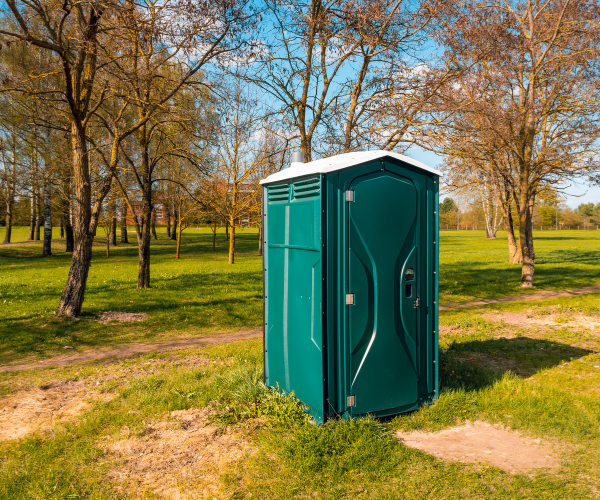
Portable Toilet Rentals in Cornersville, Tennessee
Call today for a free quote (615) 912-8808
Portable Toilet
Fast, Easy, & 100% Free To Get Started
Over 40 Years Of Experience
With over 40 years of experience, our company has deep roots in the Cornersville community. We are dedicated to providing high-quality, reliable sanitation solutions that reflect our enduring commitment to customer satisfaction.
Quality Service Guaranteed
Our quality service is unmatched, providing clean and well-maintained portable toilet units for any event. We ensure customer satisfaction through reliability and professional care.
Fast, Reliable Delivery
Our swift delivery of portable toilets ensures timely setup for events or projects. Rely on our efficient service to provide exactly what you need, precisely when you need it.
Reliable Portable Toilet Solutions in Cornersville
Call for a Free Quote Today
(615) 912-8808
Based in Cornersville, our Portable Toilet company excels in delivering exceptional sanitation services that locals trust. We consistently surpass expectations with dependable, professional offerings. As a proudly locally owned business, we serve Cornersville and its neighboring areas, providing construction sites, parties, festivals, and weddings with clean, well-maintained portable toilets. Our dedication to quality and customer satisfaction distinguishes us, ensuring our units remain in immaculate condition and ready for any event.
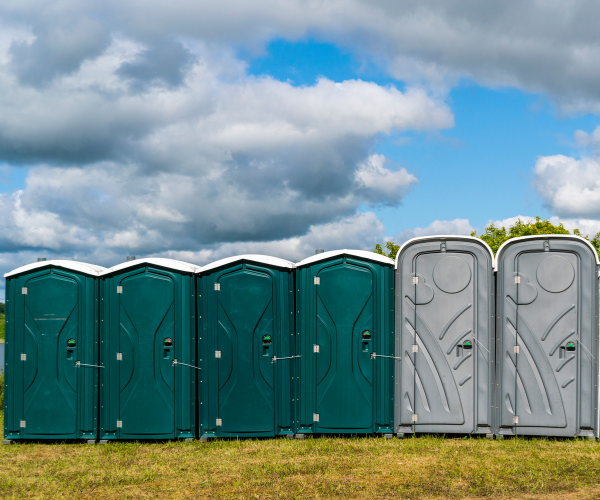
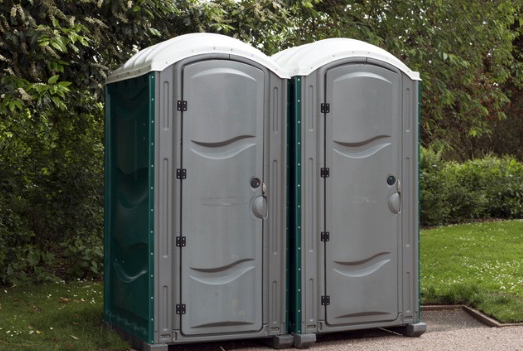
Standard Portable Toilet
Our standard porta john rental units are durable and reliable for any commercial build site, housing development, public works project, or remodel job.
Features include dome lighting, grated floors, and an “In-Use” locking mechanism for privacy and comfort.
Regularly maintained, inspected, and cleaned by FusionSite at your location.
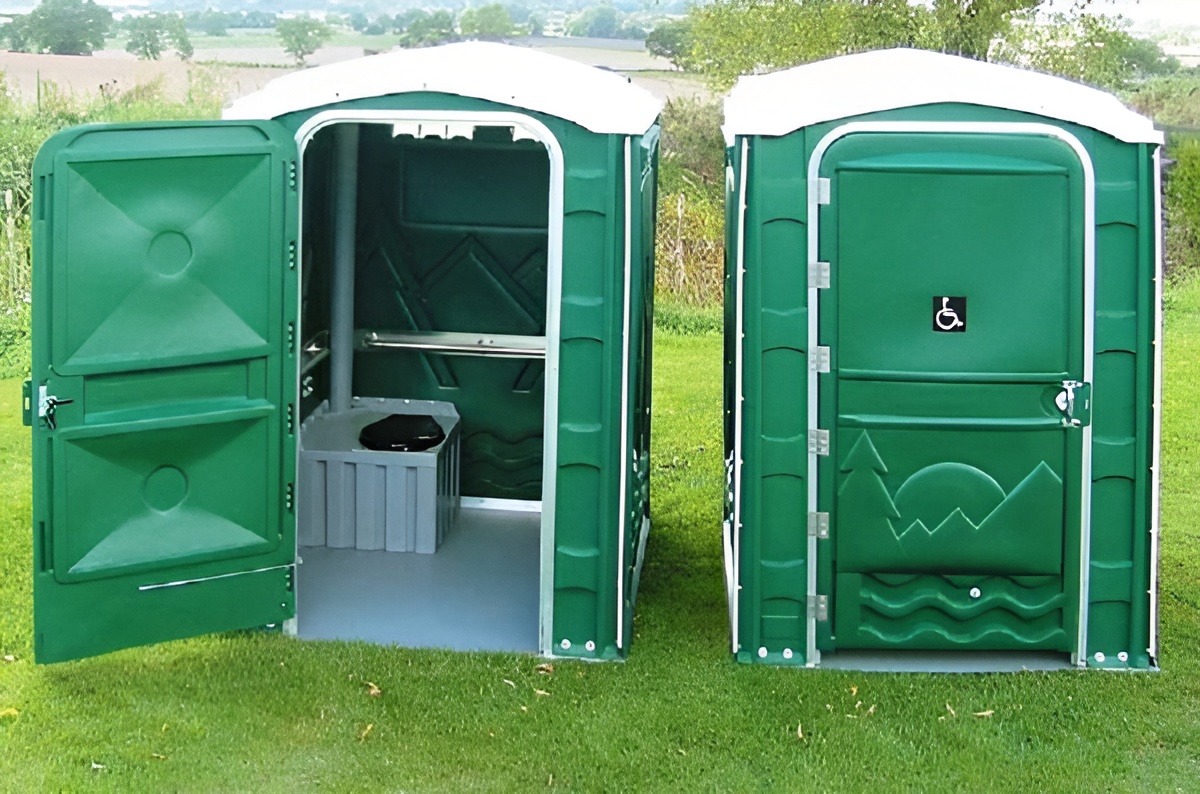
Wheelchair Accessible Restrooms
Developed as an alternative to full ADA-compliant restrooms, the Liberty is a spacious, wheelchair-accessible unit that can also be promoted as a family-sized restroom.
Includes a patented flat-floor system for easy wheelchair access and maneuverability.
Handrails, paper holder, and rotary latch are designed for simple, intuitive end-user operation.
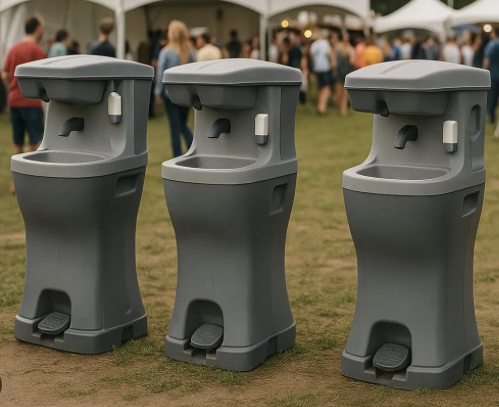
Portable Sink
Portable hand washing stations are essential for keeping your work site sanitary and clean.
Features hands-free foot pumps, liquid soap, and paper towels.
Perfect for job sites without water hookups, these units can handle hundreds of washes between services.
We Proudly Serve
Standard Portable Toilets
Our standard portable toilets in Tennessee offer clean, basic restrooms suitable for any event or worksite.
High Rise Portable Toilets
High rise portable toilets ensure accessible and convenient sanitation for elevated construction sites in Cornersville.
Restroom Trailers
Our restroom trailers provide top-of-the-line amenities for upscale events in Cornersville with FusionSite Nashville.
Roll off Dumpsters
Our roll-off dumpsters service in Cornersville keeps job sites tidy, coordinating with FusionSite Nashville.
Septic Tank Cleaning
Our Tennessee septic tank cleaning service is reliable and efficient, maintaining hygiene standards.
Grease Trap Cleaning
Professional grease trap cleaning in Cornersville keeps kitchens running smoothly, serving local businesses.
Fencing & Barricades
Our fencing and barricades service offers secure perimeters for events and constructions in Nashville, Tennessee.
Residential Storage
Residential storage solutions in Cornersville offer secure, temporary space for home transitions.
Cornersville Portable Toilet and More
Getting a quote and delivery for a portable toilet from us is incredibly straightforward and convenient. We value your time and strive to make the process as hassle-free as possible. Start by visiting our website, where you can find prominent 'Get A Quote' buttons. These buttons will direct you to our simple online form. Here, you'll be asked to fill in your basic contact information, namely your first name, last name, phone number, and email address. This streamlined process ensures you receive a prompt and accurate quote tailored to your specific needs. Our dedicated customer service team is at your disposal, ready to assist with any questions you might have. Once you are satisfied with the quote and the available options, confirming your order is just a click away. Our team then meticulously coordinates the delivery schedule to ensure your portable toilet is set up on-site precisely when you need it. We pride ourselves on being punctual and exceeding expectations, making sure that your experience from inquiry to delivery is as seamless as possible. Trust in our expertise and focus on what matters most for your event or project, leaving the sanitation to us.
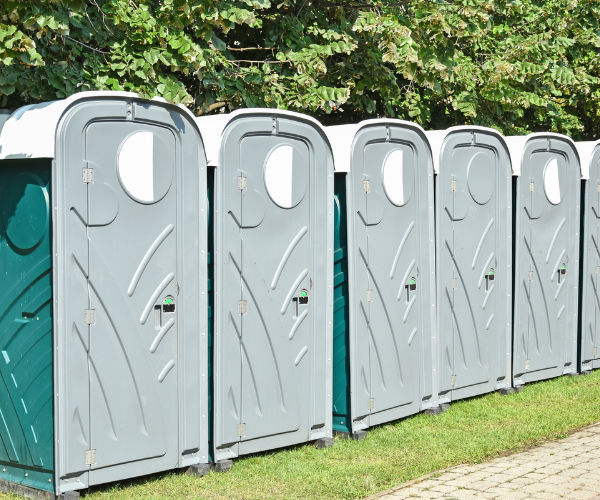
The heart of Cornersville is rich with local charm and vibrant community events that showcase the town's unique character. With its abundance of outdoor attractions, people gather for festive celebrations, sporting events at the nearby Dixie Youth Baseball Complex, and more. Our portable toilets enhance these experiences, providing clean, reliable, and convenient facilities for all attendees, especially during the annual Cornersville Lions Club Fair, a beloved highlight in the area. Choosing our portable toilet services means benefiting from units that seamlessly blend with Cornersville's scenic beauty and lively community spirit. Whether you're hosting a rustic wedding or a lively festival, our clean and well-maintained units ensure a pleasant experience. Trust us to keep your event running smoothly, allowing you to enjoy the vibrant tapestry of Cornersville's community life.
Your Top Choice in Cornersville
When considering portable toilet services in Cornersville, our company stands apart through our commitment to quality and customer satisfaction. Our local expertise allows us to provide tailored solutions that meet the distinct needs of our community. With a focus on reliability and customer care, we ensure every event is equipped with the best sanitation solutions available.
Trust the Experts
Our team is dedicated to meeting the unique demands of Cornersville events and projects. Choose us for clean, efficient, and hassle-free portable toilet services that enhance your occasion.
Fast and Dependable Services
At the core of our service offerings is our commitment to providing fast and reliable solutions for all your portable toilet needs. Our experienced team coordinates with precision to ensure timely delivery, set-up, and servicing of toilets for events and projects of any size. The efficiency of our process minimizes wait times and maximizes convenience, allowing you to focus on other important aspects of your event.
Reliable Every Step of the Way
With us, you can count on seamless delivery and service, ensuring your guests or workers have access to top-notch sanitation facilities without any interruptions or delays. Trust us to meet your expectations every time.
Discover Cornersville's Portable Toilet Features
Renting a portable toilet in Cornersville is a straightforward process designed for your convenience. Begin by visiting our website, where you'll find 'Get A Quote' buttons strategically located throughout the page. Click any of these buttons to access our online form at both the top and bottom of the page. To complete the form, simply provide us with your first name, last name, phone number, and email. Once you've submitted the necessary information, our team quickly assesses your needs and provides a tailored quote. This efficient system ensures that you receive the best possible service with minimal hassle. Whether you need a single unit for a small gathering or a fleet for a large-scale event, our process ensures your requirements are met promptly. Feel free to contact us with any additional questions or specific requests related to your event. Once your quote is finalized and accepted, delivery is scheduled based on your preferences. Our prompt and efficient service guarantees that your portable toilets are delivered and set up precisely as planned, ensuring a stress-free experience from start to finish.
Understanding the urgency that often accompanies the need for portable toilets, we prioritize efficient delivery timelines. Typically, delivery times can vary based on the specific requirements and locations; however, we strive to accommodate our clients with flexible and rapid service. Upon receiving your order, our team immediately begins coordinating logistics to ensure swift dispatch. For standard orders, delivery is often arranged within 24 hours. For larger events or remote locations, we may require additional time to assemble multiple units or navigate logistical challenges, but we remain committed to transparency and communication throughout the process. We appreciate the importance of punctuality, particularly for events and projects operating on strict schedules. Rest assured, our dedicated team will keep you informed every step of the way, from confirmation to delivery. Our goal is not only to meet but exceed expectations by ensuring our products arrive on-site in optimal condition and within the promised timeframe, making your event or operation a success without any last-minute surprises.
Yes, we are equipped to service virtually any type of event or construction site. Our extensive selection of portable sanitation solutions is tailored to meet the diverse needs of various occasions, including festivals, sporting events, weddings, corporate functions, and family reunions. We can accommodate special events of all sizes and styles, ensuring that guests have access to top-notch sanitation facilities. Our inventory includes luxury restroom trailers, standard porta-potties, roll-off dumpsters, fencing and barricades, holding tanks, ADA-compliant units, portable sinks, and hand sanitizer stations. This comprehensive range allows us to provide customized packages that align perfectly with your specific event requirements. We pride ourselves on flexibility and reliability, assuring that your sanitation needs are handled professionally and efficiently. Partner with us to ensure that your event or project is supported by clean, convenient, and accessible restroom facilities, leaving you to focus on the success of your occasion.