Portable toilets are designed with eco-friendly advantages that offer significant positive impacts on the environment. First and foremost, these units help minimize water usage, as they do not require continuous connectivity to water supply systems. This ensures that they consume less water compared to traditional toilets, making them ideal in conserving this critical natural resource. Furthermore, portable toilets are equipped with special holding tanks that are treated with environmentally-safe chemicals, promoting sanitary conditions without contributing harmful substances to the ground or surrounding areas. Also, by providing essential sanitation facilities at outdoor events and worksites, portable toilets help in reducing the risk of local water contamination and maintaining surrounding environmental hygiene. The use of modern materials and technologies in portable toilet construction supports sustainability, often involving recycled materials that feature durability and low environmental impact. Additionally, many units come with features that are designed to encourage recycling and proper waste disposal, such as designated areas for waste separation and the usage of biodegradable materials. In terms of waste management, sanitation service companies that provide portable toilets typically engage in environmentally responsible practices. They efficiently remove and handle waste, ensuring that all disposals are conducted in a manner that protects surrounding ecosystems. Overall, portable toilets play an essential role in promoting environmental responsibility, offering practical and efficient solutions that align with sustainable practices in sanitation management.

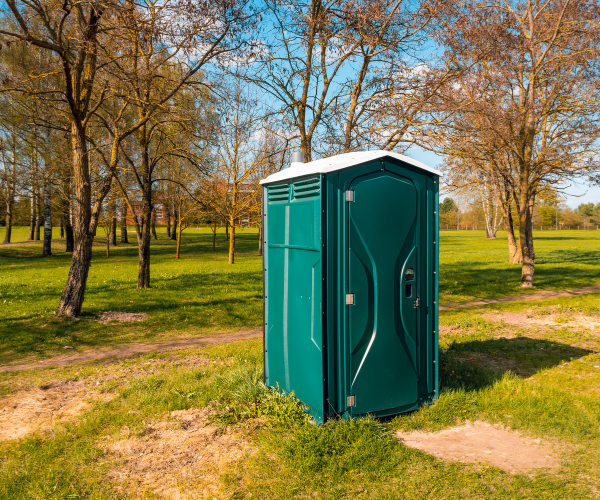
Portable Toilet Rentals in Dickson, Tennessee
Call today for a free quote (615) 912-8808
Portable Toilet
Fast, Easy, & 100% Free To Get Started
40 Years of Excellence
For over 40 years, we've been a trusted part of the Dickson community, dedicated to providing quality portable sanitation solutions. Our longstanding presence reflects our reliability and unwavering commitment to customer satisfaction, making us the preferred choice in Tennessee.
Unmatched Quality Service
Our top priority is to provide exceptional quality service tailored to meet your needs. Our experienced team ensures every unit is pristine, meeting the highest standards of cleanliness and functionality.
Efficient, Fast Delivery
We guarantee prompt delivery of your portable toilets, ensuring they reach you as scheduled, every time. Our meticulous logistics management allows you to concentrate fully on your event.
Reliable Portable Toilet Solutions in Dickson
Call for a Free Quote Today
(615) 912-8808
In Dickson, Tennessee, our Portable Toilet rental company stands as a beacon of reliability and dependability. Locally owned, we pride ourselves on providing top-notch service across Dickson and neighboring areas. Perfect for construction sites, lively parties, jubilant festivals, and memorable weddings, we cater to a myriad of events with a professional approach. Our efficiency, combined with a knowledgeable team, ensures each client receives attention to their specific needs. We are your go-to choice for portable sanitation solutions, demonstrating our commitment to exceeding customer expectations. Experience hassle-free coordination with a company trusted by the community.
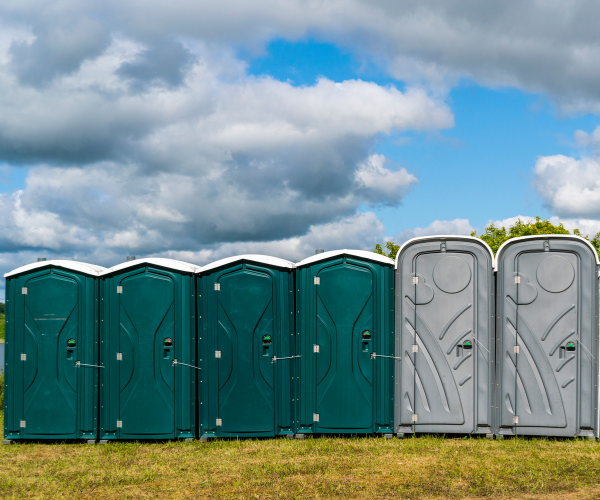
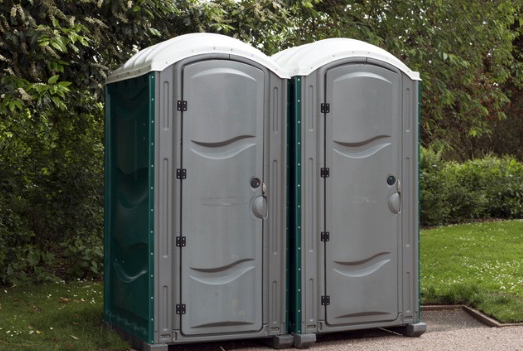
Standard Portable Toilet
Our standard porta john rental units are durable and reliable for any commercial build site, housing development, public works project, or remodel job.
Features include dome lighting, grated floors, and an “In-Use” locking mechanism for privacy and comfort.
Regularly maintained, inspected, and cleaned by FusionSite at your location.
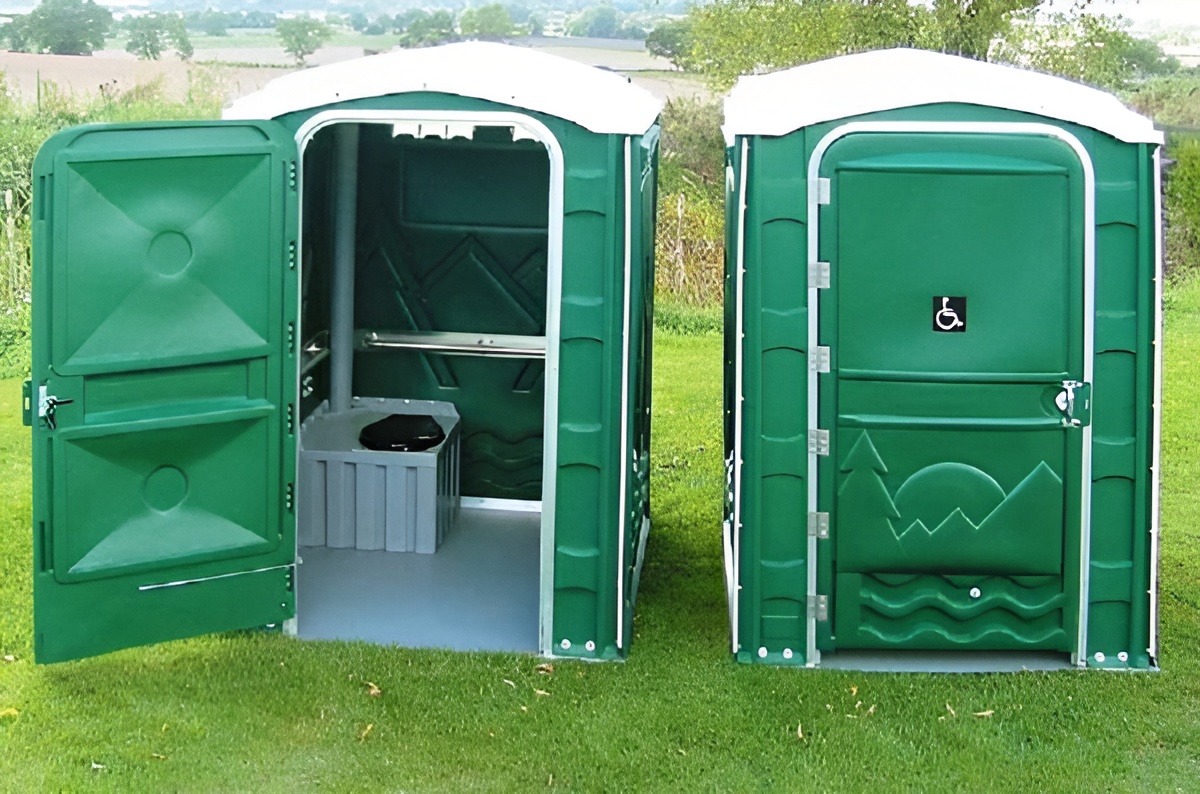
Wheelchair Accessible Restrooms
Developed as an alternative to full ADA-compliant restrooms, the Liberty is a spacious, wheelchair-accessible unit that can also be promoted as a family-sized restroom.
Includes a patented flat-floor system for easy wheelchair access and maneuverability.
Handrails, paper holder, and rotary latch are designed for simple, intuitive end-user operation.
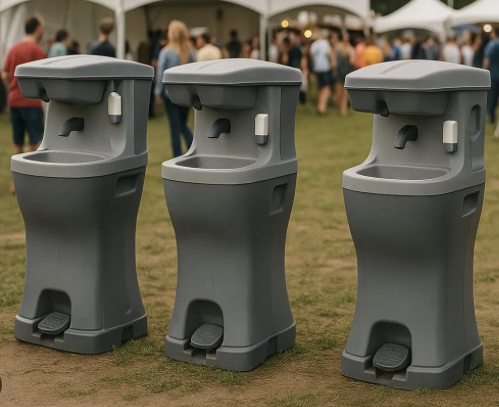
Portable Sink
Portable hand washing stations are essential for keeping your work site sanitary and clean.
Features hands-free foot pumps, liquid soap, and paper towels.
Perfect for job sites without water hookups, these units can handle hundreds of washes between services.
We Proudly Serve
Standard Portable Toilets
Our standard portable toilets service provides convenient and affordable options for all events in Nashville, Tennessee.
High Rise Portable Toilets
Our high rise portable toilets service offers seamless solutions for construction projects throughout Dickson, TN.
Restroom Trailers
Our luxurious restroom trailers ensure premium sanitation and comfort for any event in Dickson, TN.
Roll off Dumpsters
Our roll off dumpsters in Dickson offer comprehensive waste management solutions for clean project sites.
Septic Tank Cleaning
FusionSite Nashville provides comprehensive septic tank cleaning, ensuring effective sanitation across Tennessee.
Grease Trap Cleaning
Offering specialized grease trap cleaning to keep your kitchen operations in Dickson smooth and safe.
Fencing & Barricades
Efficient fencing & barricades service in Nashville ensures security and privacy for events and construction sites.
Residential Storage
Our residential storage services in Dickson, TN, offer secure, versatile solutions for personal property storage.
Dickson Sanitation Solutions
Getting a quote and arranging delivery for your portable toilet rental has never been easier. Our streamlined process ensures quick service without compromising on quality. By simply filling out a few details on our dedicated forms at both the top and bottom of the web page, or by clicking on the 'Get A Quote' buttons, you'll have all the information you need at your fingertips. Our team is dedicated to providing prompt responses, ensuring that your rental is confirmed efficiently. Whether for a one-day event or a long-term construction site, our delivery is timely and reliable, ensuring uninterrupted operations. Choose from our diverse range of units tailored to meet any occasion's demands. Our local presence in Dickson not only means faster service but also the ease of mind knowing that help is just around the corner anytime you need assistance. Experience the convenience that defines our service, placing comfort and satisfaction at the forefront of every interaction.
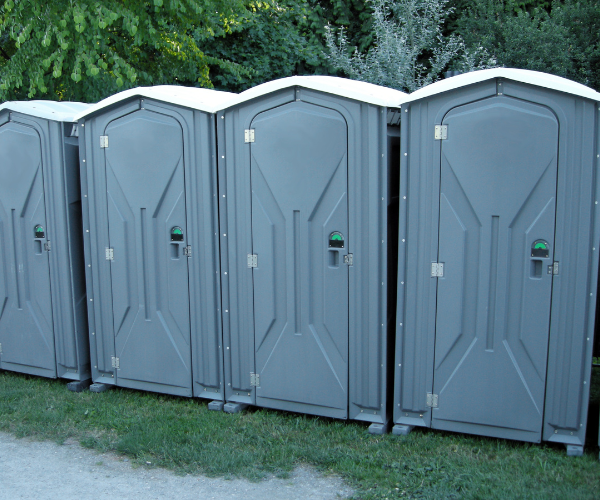
Embrace Local Charm: Our portable toilets perfectly complement Dickson's unique outdoor attractions, including the Dickson County Fair or events held near the historic Clement Railroad Hotel Museum. From lively festivals to family gatherings, we deliver clean, dependable service that enhances the community vibe.
Enhancing Guest Experience: Count on us to raise your event's comfort and sanitation standard. Our units are user-friendly and designed to maintain high comfort levels throughout any occasion.
Your Top Choice: Prioritizing reliability and convenience, our services easily adapt to any setting. Allow us to enhance your event with sanitation solutions that are both essential and exceptional.
Why We Lead in Dickson: Our unmatched dedication to quality and service makes us the leading choice for portable sanitation in Dickson. We specialize in offering tailored solutions to meet local needs, faithfully serving the community in both distribution and care.
A Legacy of Excellence: Entrust your portable sanitation needs to a company with a legacy built on professionalism and reliability. Let us show you why our commitment to Dickson stands untarnished as we continue to offer the very best.
Fast and Reliable: Our unmatched reputation for prompt portable toilet services stems from our efficient operations. We ensure swift deployment of units according to schedule.
Reliable Satisfaction: Trust in our commitment to long-term relationships built on loyalty. Our track record of punctual deliveries and meticulous service reflects our dedication. Depend on us for an experience characterized by unwavering dedication and efficiency.
Dickson's Premier Portable Toilet
Renting a portable toilet in Dickson is an easy and seamless process designed to meet your needs efficiently. Start by visiting our website, where you will find options to fill out our quote forms located strategically at both the top and bottom of the page. Additionally, you have the option to click on the 'Get A Quote' buttons conveniently placed throughout the site. These forms are designed to capture essential information, asking you to provide your first name, last name, phone number, and email. Once the basic details are filled in, our team will swiftly get back to you with all necessary information related to your rental request. This approach allows for accurate quotations based on your individual sanitation needs, whether it's for a single event or a longer project duration. By maintaining proactive communication, we ensure that all your specifications are considered, making the rental process straightforward. Our commitment is to provide you the best service experience from start to finish, reflecting both convenience and professionalism at every step.
The typical delivery timeframe for our portable toilet orders is designed to ensure flexibility and responsiveness to your schedule. Delivery times can vary based on a number of factors including the volume of rentals and specific location requirements within Dickson. However, our business model is built on efficiency, so clients can generally expect deliveries to occur within 24 to 48 hours after the confirmation of an order. For those in more remote areas or during peak rental times, such as busy event seasons, we recommend making arrangements a little earlier to secure your preferred delivery timing. Our teams work tirelessly to accommodate rush orders wherever possible, reflecting our dedication to excellent customer service. Rest assured, each portable toilet is delivered in pristine condition and set up in the desired location with discretion and professionalism. Communication is key, so we will always keep you updated on the progress of your delivery, making sure there are no surprises when it comes to timing and logistics. Your satisfaction is paramount, and we strive to meet all service requests with precision.
Yes, we can service a wide variety of events and construction services, offering flexible solutions to meet diverse sanitation needs. Whether you're planning large festivals or intimate weddings, our luxury restroom trailers and standard porta potties adjust to all settings seamlessly. Our range of products can cater to sporting events, corporate gatherings, family reunions, and more. We provide a comprehensive lineup that includes roll-off dumpsters, fencing and barricades, holding tanks, ADA-compliant units, and portable sinks and hand sanitizer stations. Each unit is maintained to the highest standards ensuring cleanliness and functionality no matter the setting. We understand the unique demands of different events and constructions; hence, solutions can be customized according to specific requirements, including both short-term and long-term rentals. Moreover, we pride ourselves on our ability to deliver timely service that accommodates both anticipated usage as well as last-minute adjustments, reflecting our experience and capability to handle everything from small community gatherings to large-scale celebrations and complex construction sites.